
Which Direction Should Ceiling Fan Go To Cool

Okay, picture this: you're sprawled on the couch, melting faster than a popsicle in July. The AC is humming (and costing you a fortune!), but you're still feeling the heat. What's a person to do? Unleash the power of the ceiling fan, of course!
But wait! Is it even spinning the right way? Don't worry, figuring out the perfect fan direction is easier than ordering pizza.
Summer's Best Friend: Counter-Clockwise Cool
When the sun is blazing and you need instant relief, switch that fan to spin counter-clockwise. Think of it as your personal wind machine, minus the sand in your teeth.
Must Read
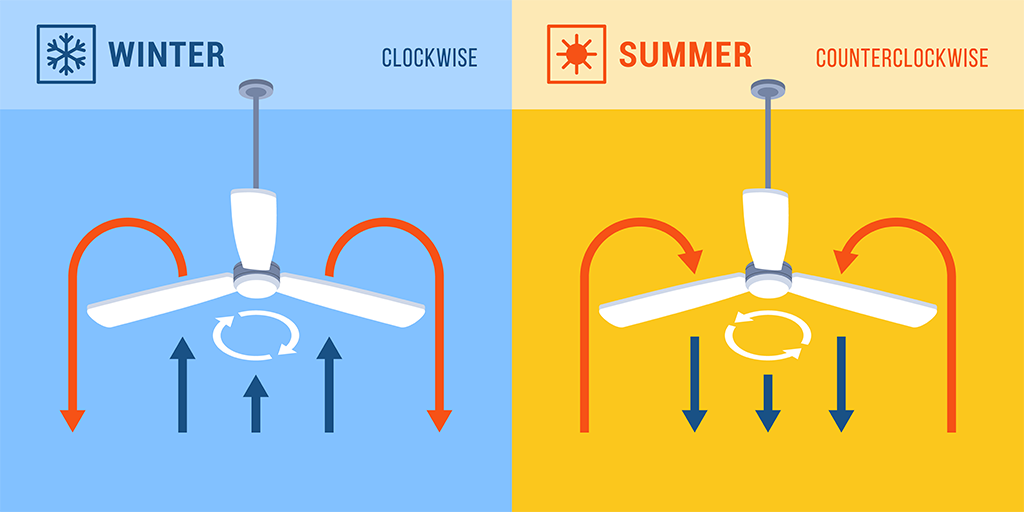
This direction creates a downdraft. This downdraft is like a gentle breeze, right on your skin.
Imagine you're standing in front of an open fridge – that's the kind of cool blast we're aiming for, but less… food-related.
How it Works (Without Getting Too Sciency)
Essentially, the fan blades are pushing air straight down. This creates a wind chill effect.
That "wind chill" makes you feel cooler, even if the actual temperature in the room hasn't changed. It's like magic, but with physics!
This is why counter-clockwise is your go-to setting for surviving those sweltering summer days.
Think of it as the fan giving you a high-five of coolness.
Winter Warmth: The Clockwise Conspiracy
Now, let's flip the script (and the fan direction!). When winter winds howl and your heating bill is giving you heart palpitations, it's time to switch to clockwise rotation.
![Ceiling Fan Directions for Summer vs Winter [Infographic]](https://airflowacademy.com/wp-content/uploads/2021/06/Ceiling-fan-directions-infographic-552x1024.jpg)
This might sound counterintuitive, but trust me, it's not some kind of elaborate prank played by the ceiling fan industry.
Clockwise rotation helps distribute warm air that rises to the ceiling. It’s like the fan is giving the warm air a gentle nudge down to where you are.
Warm Air's Secret Mission
Hot air rises, right? So all that lovely warmth from your heater is congregating near the ceiling, having a party you're not invited to.
By setting your fan to clockwise, you're gently pushing that warm air back down along the walls.
This helps to even out the temperature in the room and makes your heating system more efficient. More efficient = less money spent! It's a win-win.
Think of it as the fan acting like a warm air shepherd, herding it back to the flock (that's you!).
Spotting the Spin: How to Tell Which Way is Which
Okay, so you know which direction you want your fan to spin, but how do you actually tell which way it's going? Don't worry, you don't need a degree in ceiling fanology.
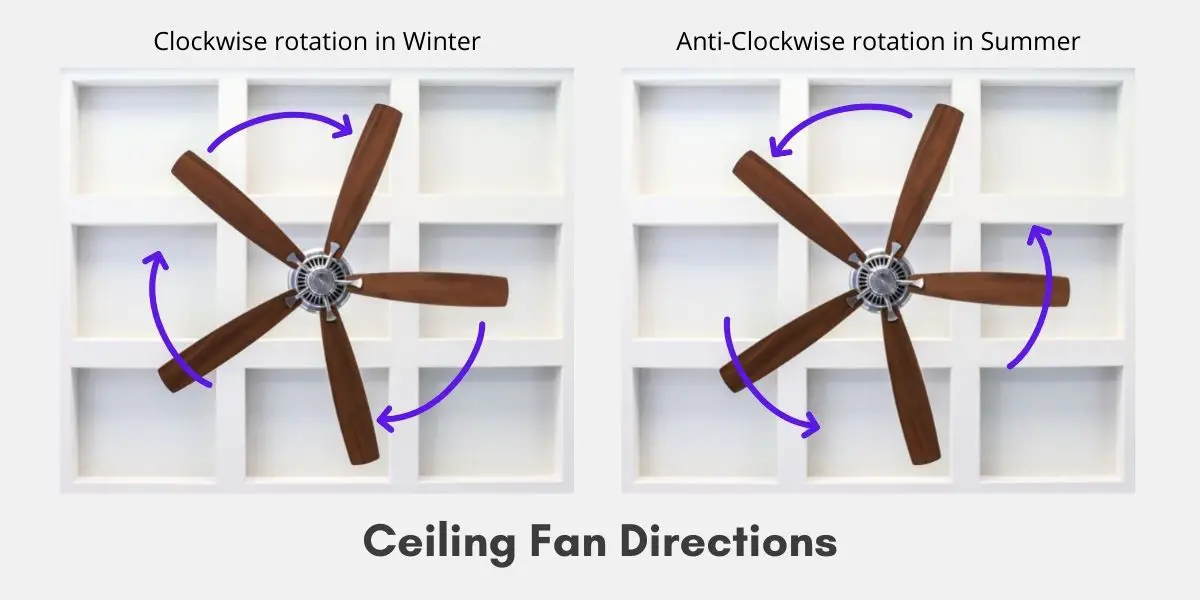
Just stand beneath the fan and look up. Observe the blades.
If they're moving from left to right (as you look up), that's clockwise. If they're moving from right to left, that's counter-clockwise.
Another trick: most fans have a small switch on the motor housing that controls the direction. Flip it and see what happens!
It might take a minute for the fan to fully change direction, so be patient. It's like waiting for a dial-up modem to connect – but hopefully faster.
Troubleshooting: My Fan is a Rebel!
Sometimes, despite your best efforts, your ceiling fan might seem to have a mind of its own. It could be wobbling, making strange noises, or just generally refusing to cooperate.
First, make sure the blades are securely attached. Loose screws can cause all sorts of problems.
If that doesn't fix it, check the balance of the blades. Most fans come with a balancing kit (usually a small set of weights) that you can use to adjust the balance.

If all else fails, consider calling a professional. Sometimes, a fan's rebellion is a sign of a more serious issue.
Think of it as sending your fan to "fan rehab."
Energy Savings: A Cool Bonus
Besides keeping you comfortable, using your ceiling fan can also save you money on your energy bills. That's right, you can be cool and responsible at the same time!
By circulating air, your fan can help your AC or heater work more efficiently. This means they don't have to work as hard to maintain a comfortable temperature.
And less work for your appliances means less energy consumed. It's like giving your wallet a little vacation.
Plus, you can often raise the thermostat a few degrees in the summer or lower it a few degrees in the winter when using a ceiling fan. Every degree counts!
Ceiling Fan FAQs: Quick Answers to Burning Questions
Still have questions? Here are some quick answers to common ceiling fan queries:
Q: Can I use my ceiling fan with the windows open? A: Absolutely! In fact, it's a great way to maximize airflow and bring in fresh air.
Q: Should I turn off my ceiling fan when I leave the room? A: Yes. Ceiling fans cool people, not rooms. If nobody's there to feel the breeze, you're just wasting energy.
Q: My ceiling fan is dusty! How do I clean it? A: There are special ceiling fan dusters available that make the job easy. Or you can use a pillowcase to wipe the blades (slip the pillowcase over the blade, then wipe).
Q: Can I use a ceiling fan on my porch or patio? A: Yes, but make sure it's a fan that's specifically designed for outdoor use. These fans are built to withstand the elements.
The Final Spin: Embrace the Fan!
So, there you have it! Everything you need to know about ceiling fan direction and how to stay cool (or warm) year-round.
Don't underestimate the power of this humble appliance. It's a simple, effective, and relatively inexpensive way to improve your comfort and save energy.
Now go forth and conquer the climate, one perfectly-spinning fan blade at a time!
Remember the counter-clockwise rule for summer and clockwise for winter and enjoy the breeze!