Which Direction Do Ceiling Fans Go In Winter
Have you ever stood beneath your ceiling fan in the dead of winter, shivering despite the roaring furnace, and thought, "Is this thing even helping?" You're not alone! Most of us think of ceiling fans as summertime saviors, banishing the stickiness of a July afternoon with their breezy goodness. But here's a secret: your ceiling fan has a winter mode, and it's ready to make your chilly house a little bit cozier.
The Great Fan Conspiracy (or, Why We Forget About Winter Mode)
Let's be honest, who reads the ceiling fan manual? It's usually relegated to the same drawer as the instruction booklet for your toaster oven and the extra buttons that came with your favorite sweater. It's a land of forgotten knowledge! Plus, the change isn't intuitive. We associate fans with creating wind, and wind feels cold. It’s a classic case of mistaken identity. So, the poor ceiling fan sits there, spinning away in its summer direction, perhaps even making you colder, and we just sigh and crank up the thermostat.
Imagine the fan's perspective! It's like being a multi-tool only ever used for one task. "But I can do so much more!" it silently screams, as you reach for another blanket. This is a tragedy, a fan-tasy unfulfilled.
Must Read
Operation: Reverse the Spin!
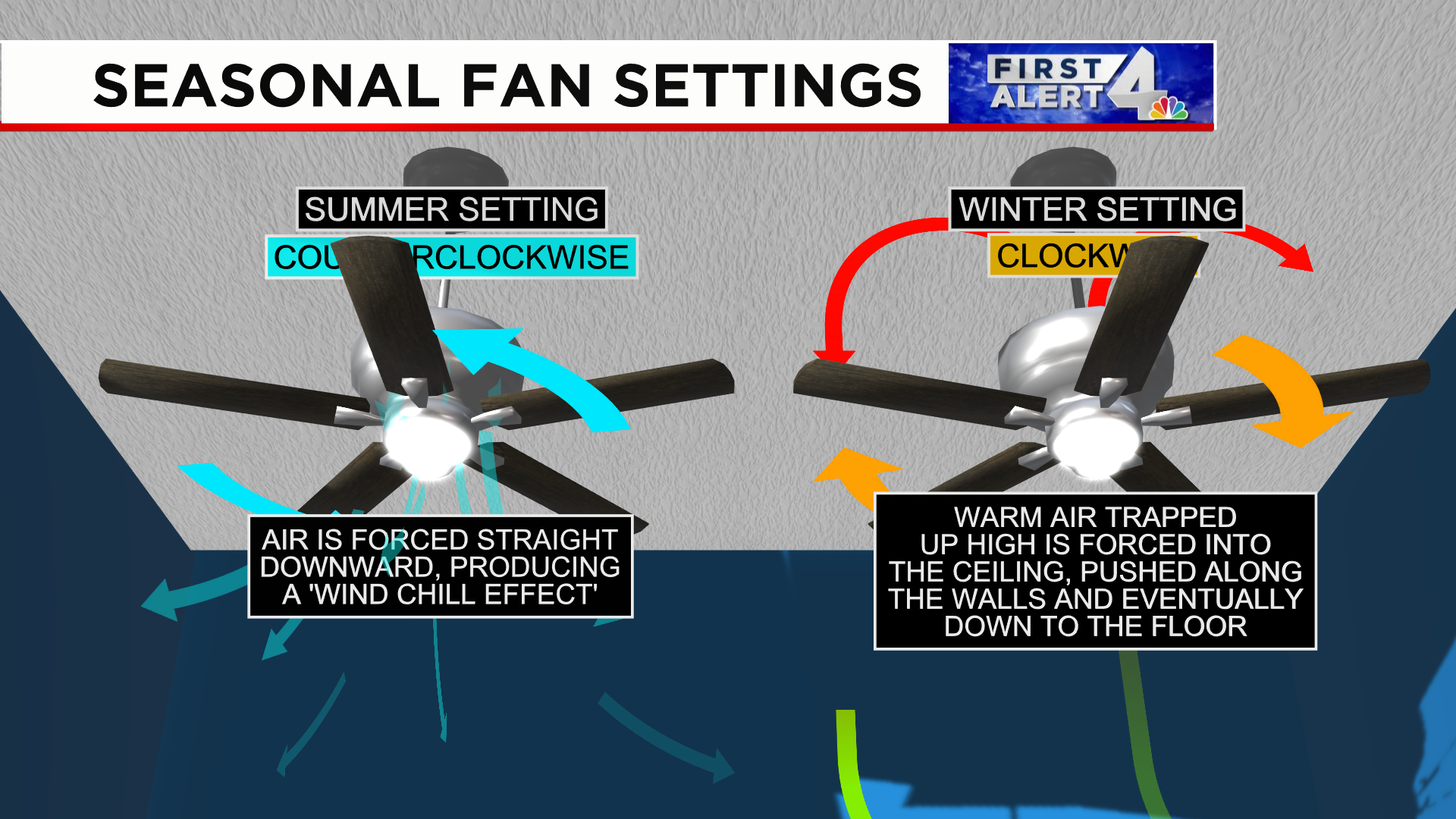
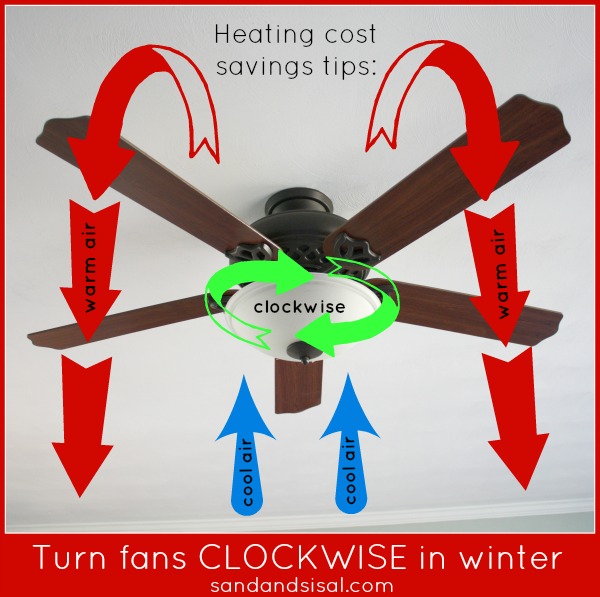
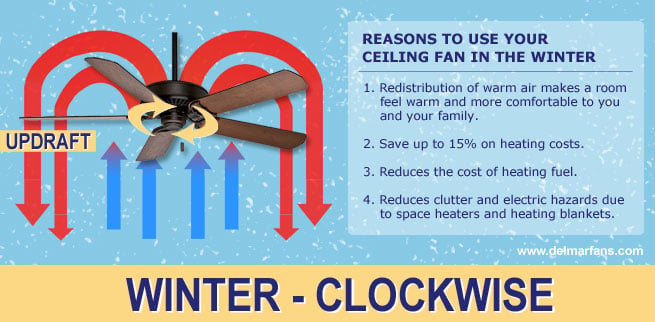
Here’s the deal: In the winter, you want your ceiling fan to spin clockwise (when looking up at it). Now, before you start climbing on chairs and potentially recreating a scene from a slapstick comedy, there's usually a little switch on the motor housing of your fan. This switch is the key to unlocking winter warmth. It's often tiny and easily overlooked. It may even be camouflaged as part of the fan (a design choice that continues to baffle me).
Flip that switch! You might hear a tiny click – the sound of potential savings on your heating bill.
![Ceiling Fan Directions for Summer vs Winter [Infographic]](https://airflowacademy.com/wp-content/uploads/2021/06/Ceiling-fan-directions-infographic-768x1425.jpg)
But Why Does This Work? (The Non-Technical Explanation)
Okay, I promised not to get too technical, so here's the super-simplified version: Heat rises. That's just what it does. So all that lovely warm air your furnace is pumping out is collecting near the ceiling, having a party while you’re freezing down below. By reversing the fan's direction to clockwise, it gently pushes that warm air back down the walls without creating a noticeable draft.
Think of it like this: the fan is now a friendly air masseuse, coaxing the warm air down from its lofty perch to give you a nice, warm hug. It’s not creating a wind chill effect, it’s simply redistributing the wealth of warm air. This can make a significant difference in how comfortable you feel, and it can help your furnace work less hard, saving you money on your energy bill!

The Unexpected Benefits of Winter Fan-Fare
Beyond the obvious warmth and cost savings, there are some other, more subtle perks to running your ceiling fan in winter. First, it can help to prevent condensation on your windows. That dampness can lead to mold and mildew, which is never a good thing. Second, it can help to distribute moisture evenly throughout your home, which is especially important in dry winter climates.
And finally, let's not underestimate the power of a slightly moving fan to create a sense of subtle air circulation. It can prevent that stagnant, stuffy feeling that sometimes creeps in during the winter months when the windows are always closed.
So, go on! Embrace the winter potential of your ceiling fan. Flip that switch, feel the warmth, and revel in the knowledge that you've unlocked a secret weapon against the winter blues. You've become a fantastic homeowner! And your ceiling fan, once feeling neglected, is now a valued member of the household, silently whispering its gratitude as it works to keep you cozy all winter long.
"The smallest change can sometimes make the biggest difference." – Someone who probably understood the magic of a reversed ceiling fan.