Where To Mount A Carbon Monoxide Detector

In a world full of gadgets promising to make our lives easier, more connected, or simply more fun, there's one unassuming hero that offers something truly priceless: peace of mind. Think about it. We lock our doors, put on seatbelts, and check the expiration dates on our milk, all in the name of safety and security. It's that quiet, underlying confidence that allows us to truly relax and enjoy our homes. And when it comes to safeguarding our loved ones, few devices earn their keep quite like a carbon monoxide detector.
This little sentinel is more than just another piece of plastic on your wall; it's a vigilant guardian against a silent, invisible threat. Carbon monoxide, or CO, is often called the "silent killer" for a terrifying reason: it's a colorless, odorless, and tasteless gas. It can build up in your home from faulty furnaces, water heaters, gas stoves, fireplaces, or even a car left running in an attached garage. Inhaling CO prevents your blood from carrying oxygen, leading to flu-like symptoms such as headaches, nausea, dizziness, and fatigue, which can quickly escalate to unconsciousness and even death. The detector's purpose is brutally simple yet profoundly vital: to alert you with a shrill, unmistakable alarm before CO levels become dangerous, giving you precious time to get to safety.
So, where do these lifesavers usually stand guard? You’ll find them in countless homes, apartments, RVs, and even cabins, anywhere gas-burning appliances or internal combustion engines might operate. They're a fundamental part of modern home safety, as essential as smoke detectors, designed to protect us from dangers we can't see or smell.
Must Read
Now, let's talk about how to make your CO detector work most effectively – by putting it in the right place. Think of it as strategic deployment for maximum protection. Here are some practical tips to ensure your detector is truly on guard:
Near Sleeping Areas is Priority Number One: This is arguably the most crucial tip. Since CO poisoning can be fatal within minutes, especially while you're asleep and unaware, mount a detector in or near every sleeping area. Ideally, place one inside each bedroom or in the hallway just outside the bedrooms. The goal is to wake you up immediately if danger arises.

How To Install Hardwired Smoke / Carbon Monoxide Detector - DIY Step By One on Every Level of Your Home: CO can spread throughout your home, so don't limit your protection to just one floor. Install a detector on every single level of your dwelling, including the basement. This ensures comprehensive coverage regardless of where the gas originates or travels.
Strategic Placement Near Appliances (But Not Too Close!): It's smart to have a detector near potential CO sources like your furnace, water heater, or gas fireplace. However, avoid placing them directly next to these appliances, as minor, harmless emissions might trigger false alarms. A good rule of thumb is at least 15-20 feet away.
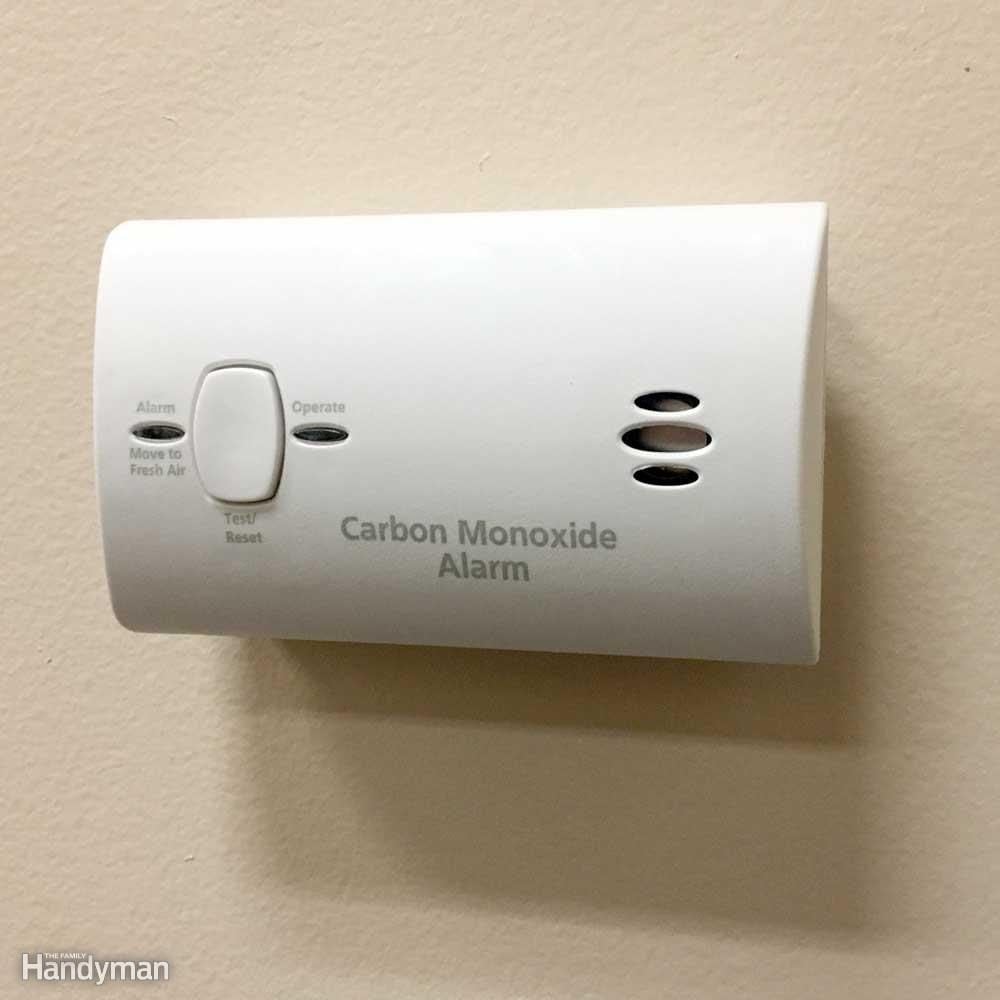
How and Where to Install a Carbon Monoxide Detector | The Family Handyman Optimal Height Matters: Unlike smoke, which rises, CO mixes with air. Therefore, most manufacturers recommend mounting CO detectors at chest height or on the ceiling. The important thing is that it's high enough to be heard and effectively detect ambient CO levels. Always check your specific device's manual for its recommended mounting height.
What to Avoid: Steer clear of mounting detectors in garages (car exhaust will constantly trigger it), within five feet of cooking appliances (cooking fumes can cause false alarms), near windows, doors, or vents (drafts can affect readings), or in direct sunlight and extreme temperatures. These locations can reduce the detector's effectiveness or lead to nuisance alarms.
Beyond placement, remember to test your detector regularly (usually monthly using the test button) and replace its batteries annually or as recommended by the manufacturer. Most units also have an expiration date – typically 5-10 years – so keep an eye on that too. By following these simple, yet vital, guidelines, you're not just installing a gadget; you're actively creating a safer, more secure haven for yourself and your loved ones, ensuring that your peace of mind is truly well-guarded.