Where To Locate Carbon Monoxide Detector In Home
In our bustling modern lives, we're constantly seeking ways to make our homes not just comfortable, but also secure havens. From smart doorbells that let us see who's knocking to advanced alarm systems, we invest in technologies that offer that priceless feeling of peace of mind. It’s not about fear; it’s about thoughtful preparedness, ensuring our loved ones are safe, sound, and able to enjoy every moment without unseen threats lurking. Among these guardians of the home, the carbon monoxide detector holds a uniquely critical, albeit often understated, role.
Think of it as your home’s invisible superhero. Carbon monoxide (CO) is often called the "silent killer" because it's a gas that you cannot see, smell, or taste. It's produced by everyday fuel-burning appliances like furnaces, water heaters, gas ranges, and fireplaces. If these appliances malfunction or aren’t properly vented, CO can build up to dangerous levels, leading to flu-like symptoms, dizziness, confusion, and even death. The simple purpose of a CO detector, then, is profoundly important: it's designed to give you an early warning, a precious head start to evacuate and seek help before this insidious gas can harm your family or pets. It’s a small device that performs an enormous, life-saving service for everyday peace of mind.
So, you've got this little life-saver, but where exactly does it do its best work? Here are some practical tips to make sure your CO detector is effectively standing guard:
Must Read
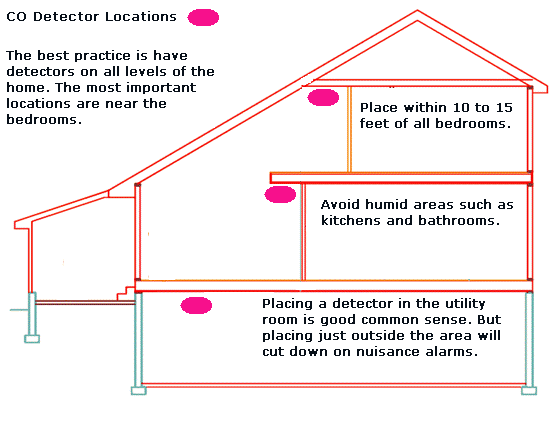
First and foremost, the golden rule: Install CO detectors on every level of your home. This includes the basement and any occupied attic spaces. Furthermore, and perhaps most critically, place them near or within every sleeping area. The reasoning is simple: if CO levels rise while you’re asleep, you won’t notice the symptoms. A detector outside or inside your bedrooms ensures that its piercing alarm will wake you, allowing for a swift and safe exit. Many people opt for combination smoke and CO alarms for this reason, hitting two birds with one stone, especially in bedrooms and hallways leading to them.

Beyond sleeping areas, consider placing an additional detector in common areas and near major CO-producing appliances, such as your furnace or water heater. However, be strategic: don't place it too close to these appliances, as normal exhaust might trigger nuisance alarms. A distance of 15 to 20 feet away is a good general guideline. Also, keep detectors away from windows, doors, or vents, as drafts can interfere with accurate readings. When it comes to height, CO mixes readily with air, so detectors can be placed on a wall or ceiling. A good rule of thumb for wall-mounted units is at least 5 feet from the floor, but always defer to the specific instructions provided by your detector's manufacturer.
To truly 'enjoy' the full protective power of your CO detectors, remember a few more things: Test them monthly by pressing the test button. This ensures the batteries and alarm are functioning. Know their lifespan; most detectors need to be replaced every 5-7 years, as their sensors degrade over time. And finally, if an alarm ever sounds, do not ignore it. Evacuate everyone immediately, call 911, and wait for emergency responders to give the all-clear. By following these simple guidelines, your carbon monoxide detectors can effectively provide the invisible shield of safety that every home deserves, truly enhancing that precious feeling of security and well-being.