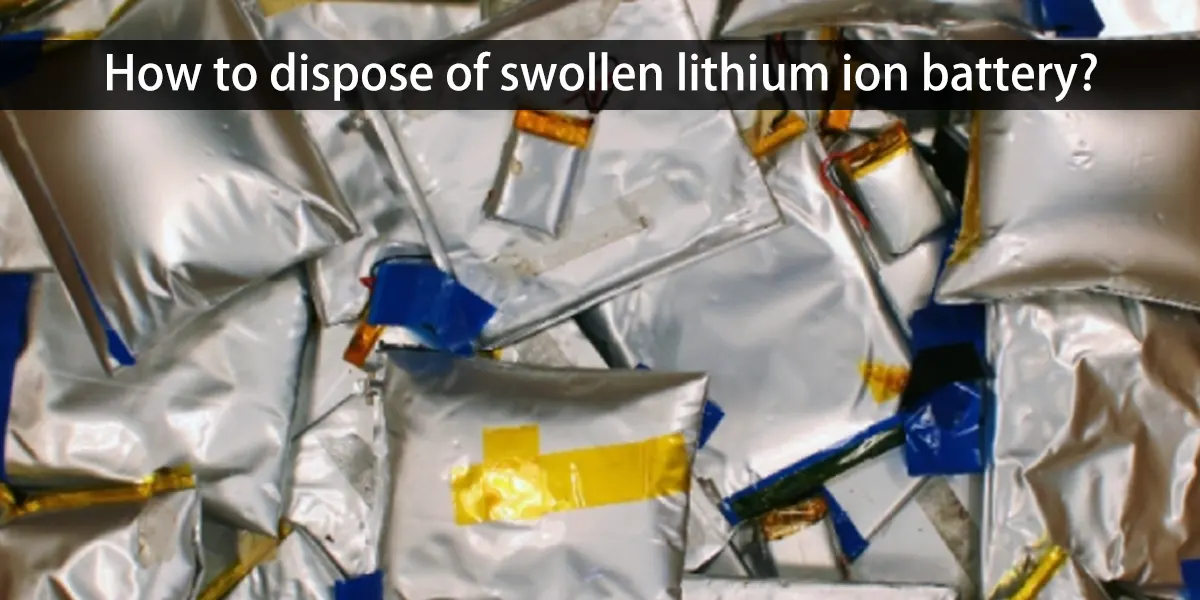
Where To Dispose Of Swollen Lithium Batteries
Ever wondered what to do with that old phone battery that's looking a little…puffy? Or maybe you've noticed your laptop battery isn't sitting quite right in its compartment anymore. These are signs you might have a swollen lithium battery on your hands. It sounds a bit sci-fi, doesn't it? But it's actually a pretty common problem with our modern gadgets, and knowing how to deal with it safely is essential for your safety and the environment.
Why is this topic relevant, even kind of fun to learn about? Well, we're all surrounded by these batteries. They power our phones, laptops, tablets, even electric toothbrushes! As technology advances, so does our reliance on them. But like all things, they eventually wear out, and sometimes, they swell. Understanding the risks associated with swollen lithium batteries and how to properly dispose of them is like unlocking a secret level of gadget ownership. It empowers you to be a responsible consumer and a savvy tech user.
The purpose of proper disposal is two-fold: safety and environmental protection. Swollen lithium batteries are unstable and can pose a fire hazard. They can even explode if punctured or exposed to high temperatures. Properly disposing of them mitigates these risks. Secondly, lithium batteries contain materials that can leach into the environment and cause pollution. Recycling allows valuable materials to be recovered and prevents harmful substances from contaminating our soil and water.
Must Read
So, where do you take these potentially volatile little energy packs? The best options generally involve recycling programs. Many electronics retailers, like Best Buy, have designated battery recycling drop-off points. Check their websites or ask a sales associate for details. Local recycling centers are another good bet. Search online for "battery recycling near me" to find facilities in your area. Some municipalities also offer household hazardous waste collection events where you can safely dispose of batteries and other potentially dangerous materials.

In schools and at home, learning about battery safety and disposal can be incorporated into science lessons or everyday discussions. Imagine a science project where students investigate the composition of different battery types and research the environmental impact of improper disposal. Or simply having a family discussion about responsible gadget ownership and creating a designated "battery graveyard" for collection before a trip to the recycling center. These simple actions can make a big difference.
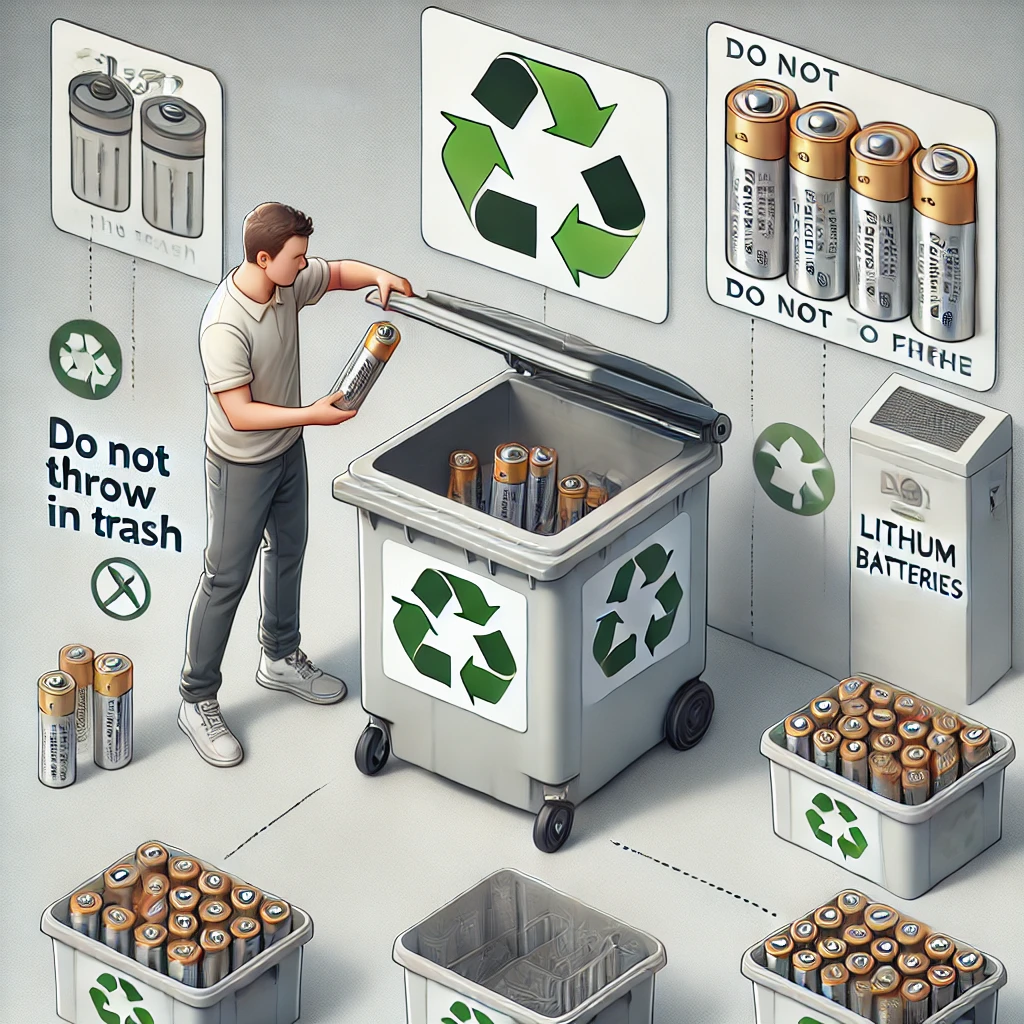
Here are a few practical tips to keep in mind: First and foremost, do not attempt to puncture, crush, or disassemble a swollen battery. Handle it with care and store it in a non-flammable container until you can dispose of it properly. Second, never throw it in the trash or recycling bin with your regular household waste. And finally, if you're unsure about the best disposal method in your area, contact your local waste management authority for guidance. Exploring your local recycling programs is a great first step. Check out their website, give them a call – it's easier than you think to become a battery disposal pro! By taking these simple steps, we can all contribute to a safer and more sustainable future.