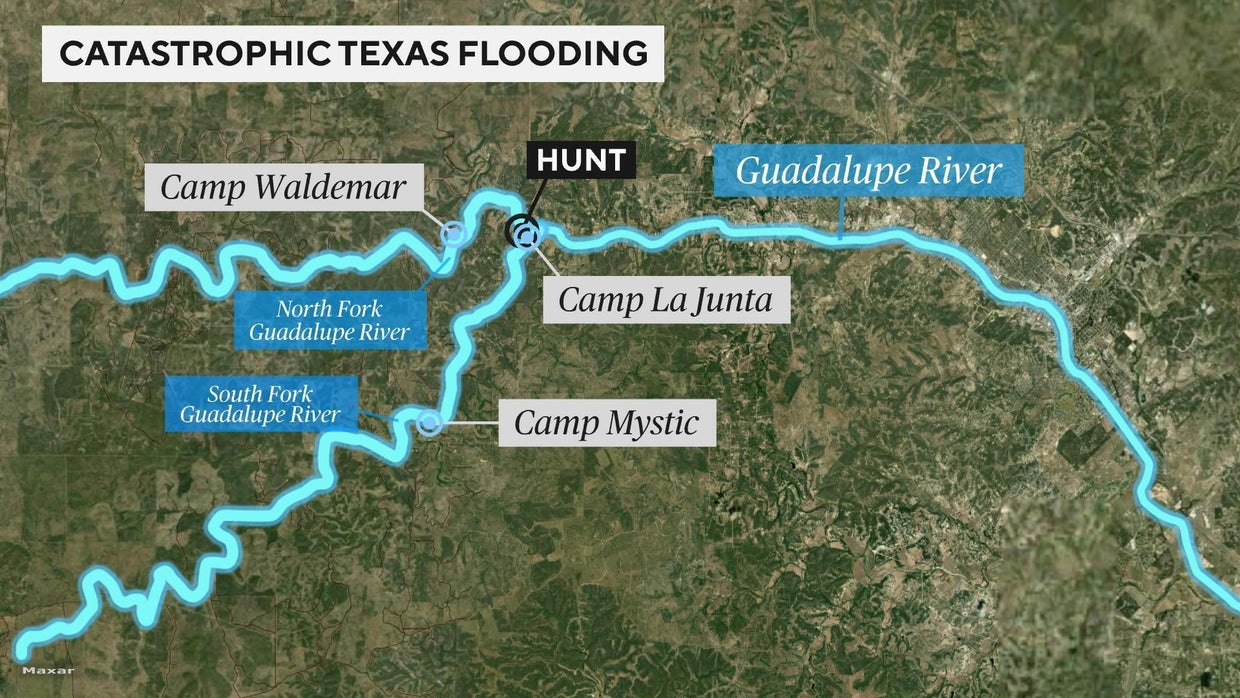
Where Is The Texas Flooding Map
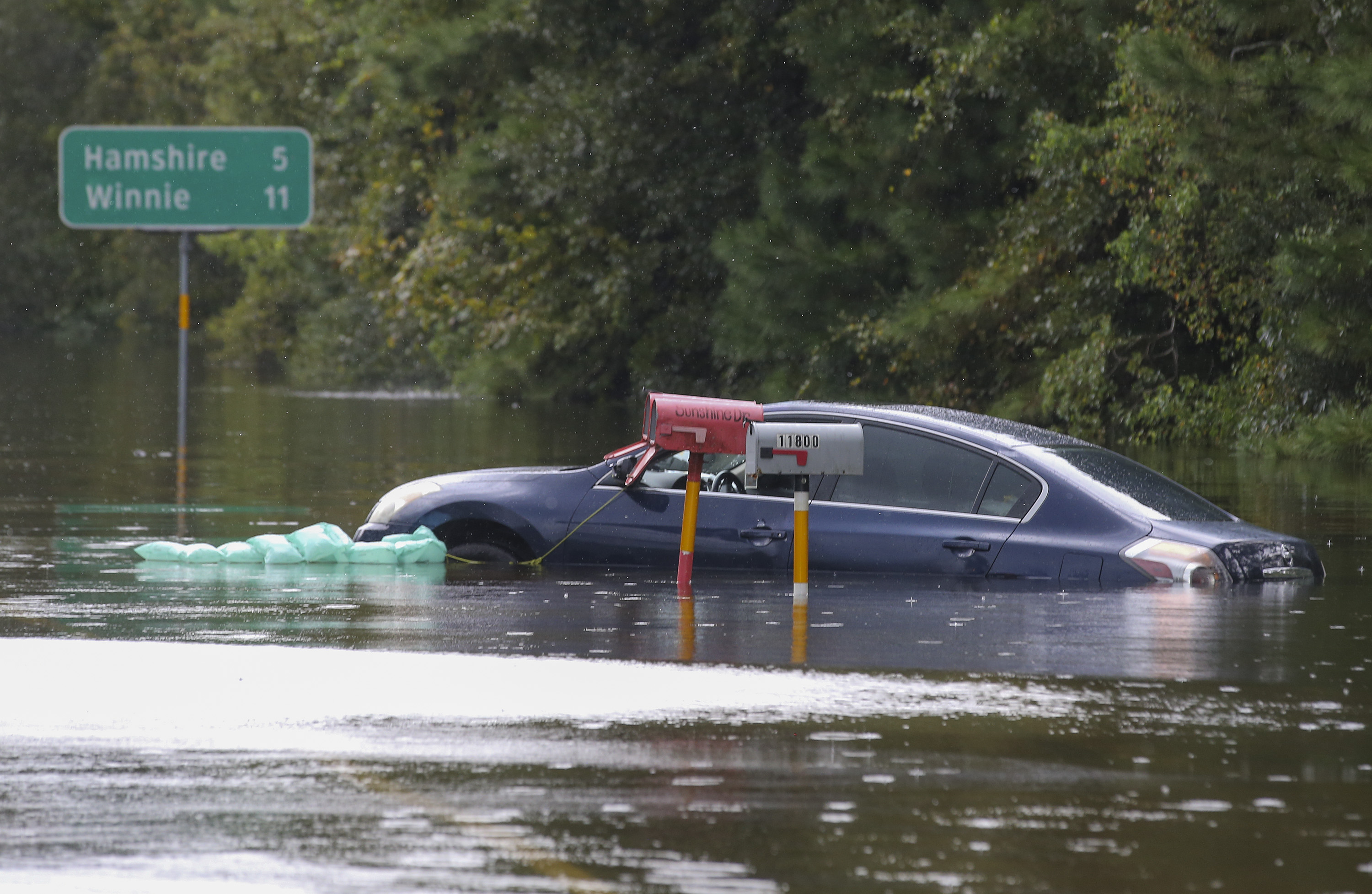
Hey there, friend! So, you're wondering where in the wide, wonderful state of Texas one might find a flooding map, huh? Excellent question! It's not like you can just ask a armadillo where the high ground is (though, wouldn't that be convenient?). Navigating the watery world of flood risks can feel a bit like a treasure hunt, but instead of gold, you're looking for dry land – which, let's be honest, is way more valuable when the skies open up!
You don't want to accidentally turn your charming backyard into a new, unplanned water feature, or worse, have your car decide it's a submarine. So, let's embark on this quest together, shall we? Don't worry, no specialized scuba gear required, just a web browser and a healthy dose of curiosity.
The Grand Central Station of Flood Maps: FEMA!
Alright, first stop on our journey to enlightenment is the undisputed champion of flood information: the FEMA Flood Map Service Center. Think of this as the mothership, the main event, the Big Kahuna of flood maps across the U.S. and, of course, Texas.
Must Read
It's surprisingly easy to use. You just punch in an address (yours, a friend's, a potential new home – whoever's property you're curious about) and poof! – up pop the official flood maps. These maps show you Special Flood Hazard Areas (SFHAs), which are those zones where the risk of flooding is highest. It’s like a super-secret decoder ring for soggy situations.
They'll tell you if a property is in Zone A, AE, X, or whatever alphabet soup of letters indicates its flood risk. Zone A? Yeah, you might want to consider packing a floatie or two. Zone X? Generally considered lower risk, so you can probably leave the life raft in the garage.
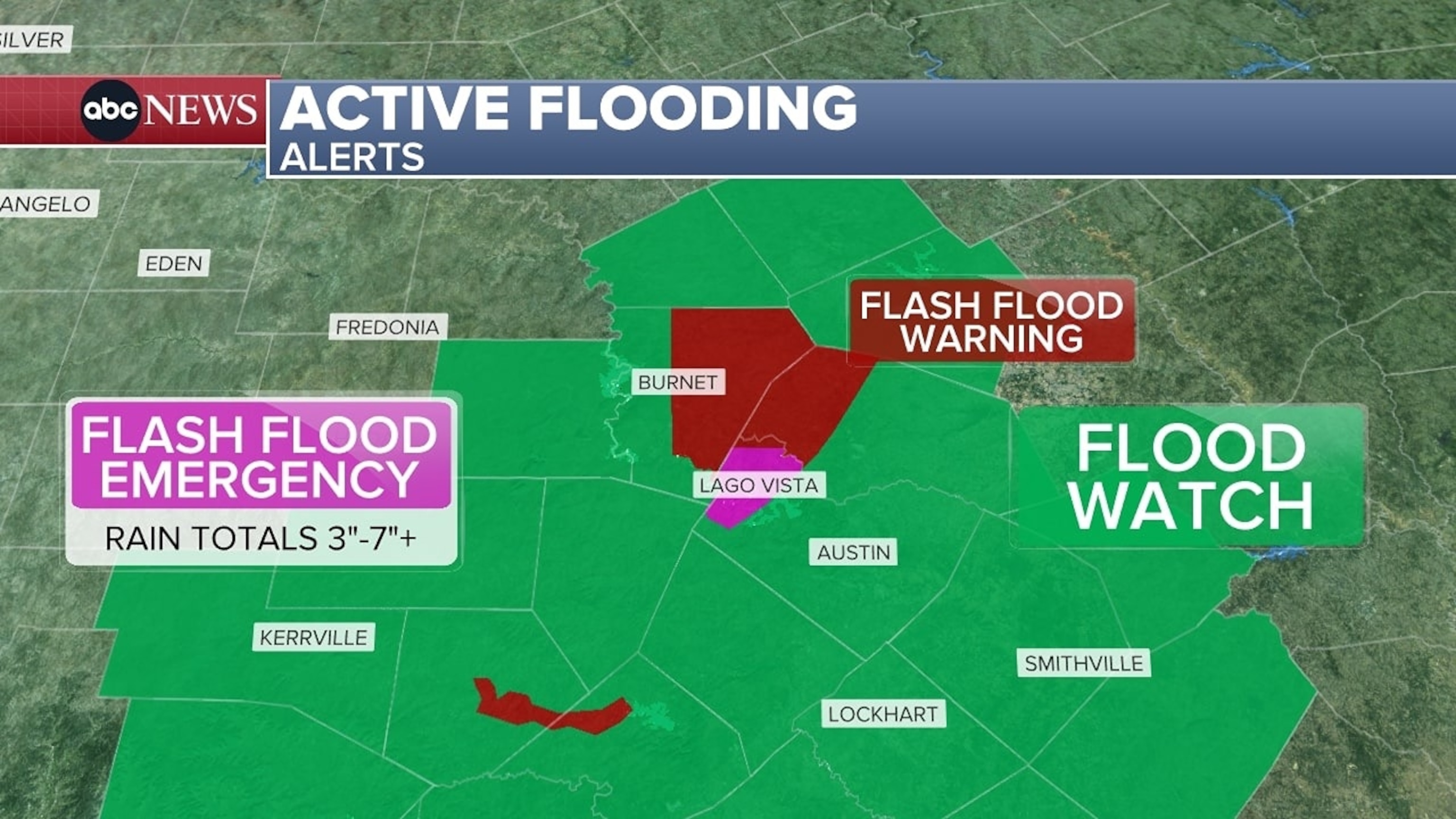
For the "Right Now" Scoop: Local Heroes & NWS!
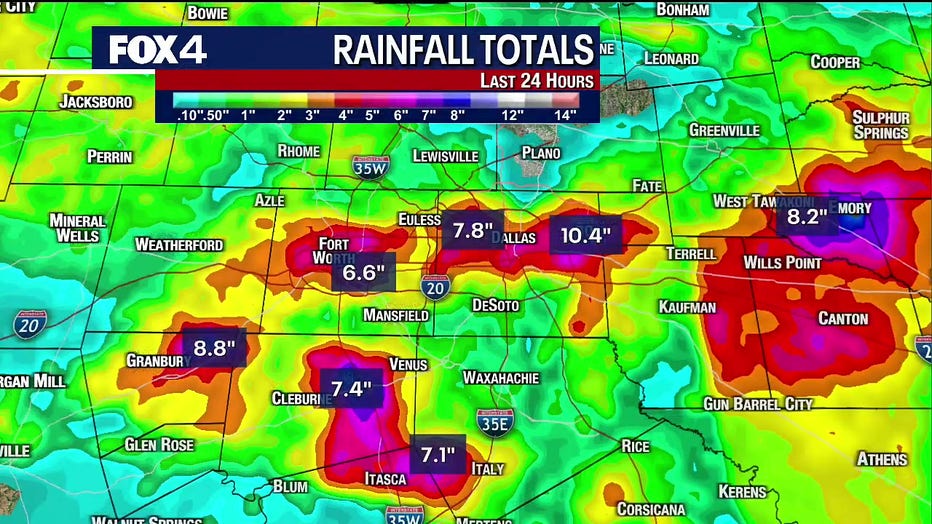
While FEMA gives you the official, long-term risk assessment, sometimes you need to know what's happening right now. For real-time updates, river levels, and immediate flood warnings, you'll want to check out your local county or city's emergency management websites. These folks are the boots on the ground (hopefully, dry ground!).
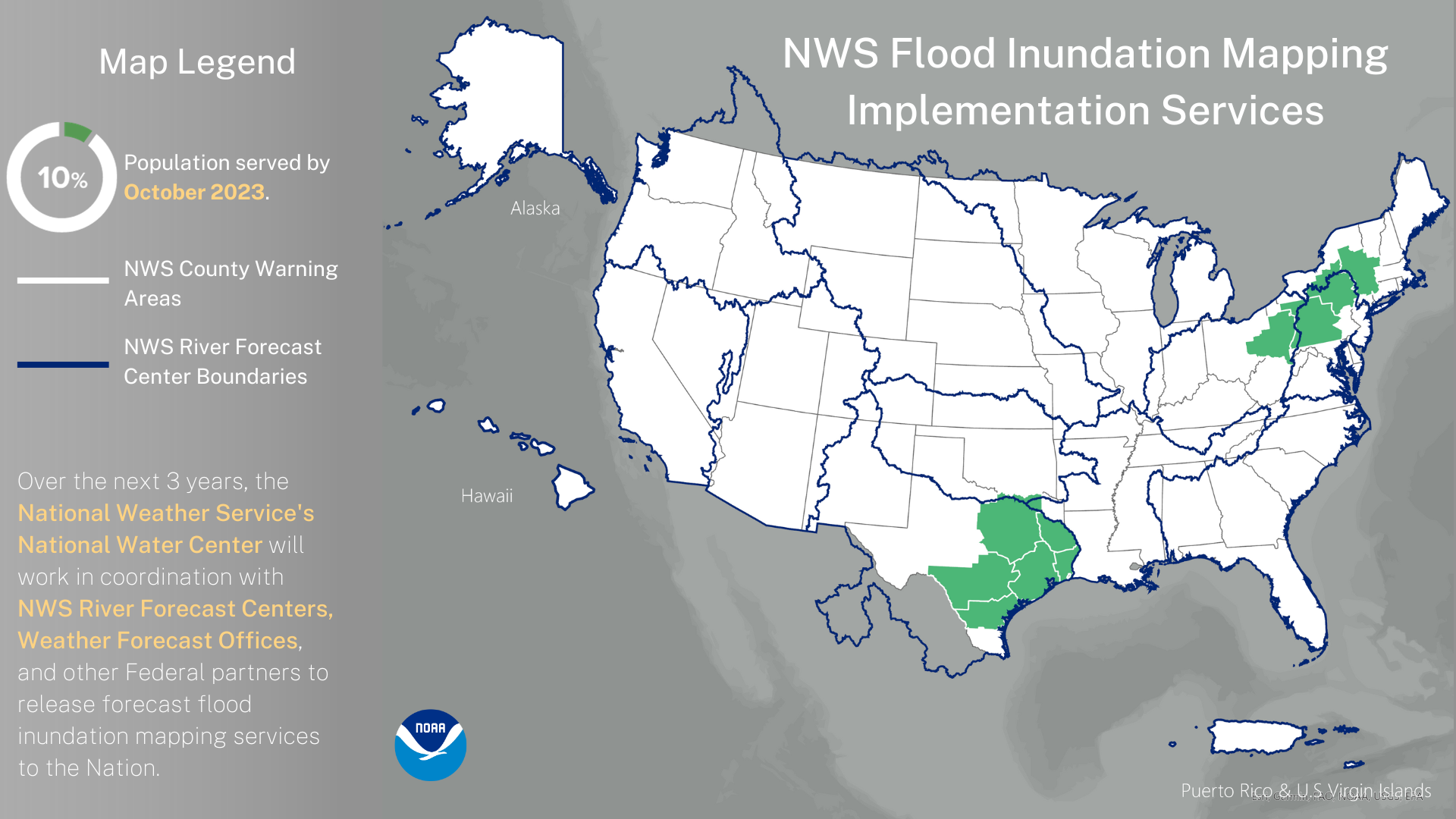
Also, the National Weather Service (NWS) is your best friend during a rain event. Their website and local office pages provide crucial forecasts, flood advisories, and warnings. They’re like the weather wizards of Texas, giving you the heads-up before the water starts thinking about making an appearance in your living room. A quick Google search for "NWS [Your City/Region] flood" usually does the trick!
Texas-Specific Treasures: TWDB & Local Data!
Being the wonderfully vast state it is, Texas also has its own specific resources. The Texas Water Development Board (TWDB) is a fantastic resource, often working on flood mitigation projects and providing data that complements FEMA's efforts. They might not have a direct "map my house" feature like FEMA, but they offer tons of information on flood planning and resilience throughout the state.
Don't forget individual city and county websites! Many of the larger Texas cities and counties have their own GIS (Geographic Information System) portals where you can find localized flood plain maps, drainage information, and sometimes even real-time gauge data. It's like finding a hidden gem in your own backyard – literally!
Why Bother? Beyond Just Avoiding Wet Feet!
So, why go through all this trouble? Well, beyond the obvious desire to keep your socks dry, understanding flood maps is crucial for a few big reasons:
- Safety: Knowing your risk helps you make smart decisions during severe weather. "Turn around, don't drown" isn't just a catchy phrase; it's a life-saver!
- Property Decisions: Buying a home? Selling one? A flood map can impact insurance premiums, property values, and even building codes. It’s all about "Know before you go!"
- Peace of Mind: Being informed reduces anxiety. Knowing where you stand (or where your house stands!) allows you to plan and prepare effectively.
Reading the Tea Leaves (or Flood Maps)
Don't get intimidated by all the lines and shading. The main thing to look for on FEMA maps are the clearly marked flood zones. Zone A, AE, and V (for coastal areas) are generally the ones indicating a higher risk. The numbers you see are often base flood elevations, telling you how high the water is predicted to rise during a 100-year flood event. If you need a deeper dive, don't hesitate to consult with local planning departments or an insurance agent; they're the pros at translating map-speak into plain English.
So there you have it! Your personal roadmap to finding Texas flooding maps. It's not hidden under a giant ten-gallon hat in Austin, but readily available with a few clicks. Being prepared isn't about being scared; it's about being smart, safe, and ready for whatever Mother Nature throws our way.
Armed with this knowledge, you can approach life in Texas with even more confidence, knowing you've done your homework. So go forth, map in hand (or on screen!), and enjoy all the incredible, dry parts of Texas. Stay safe, stay smart, and keep that wonderful Texas spirit shining bright – come rain or shine!