Where Is The Solar Energy Found
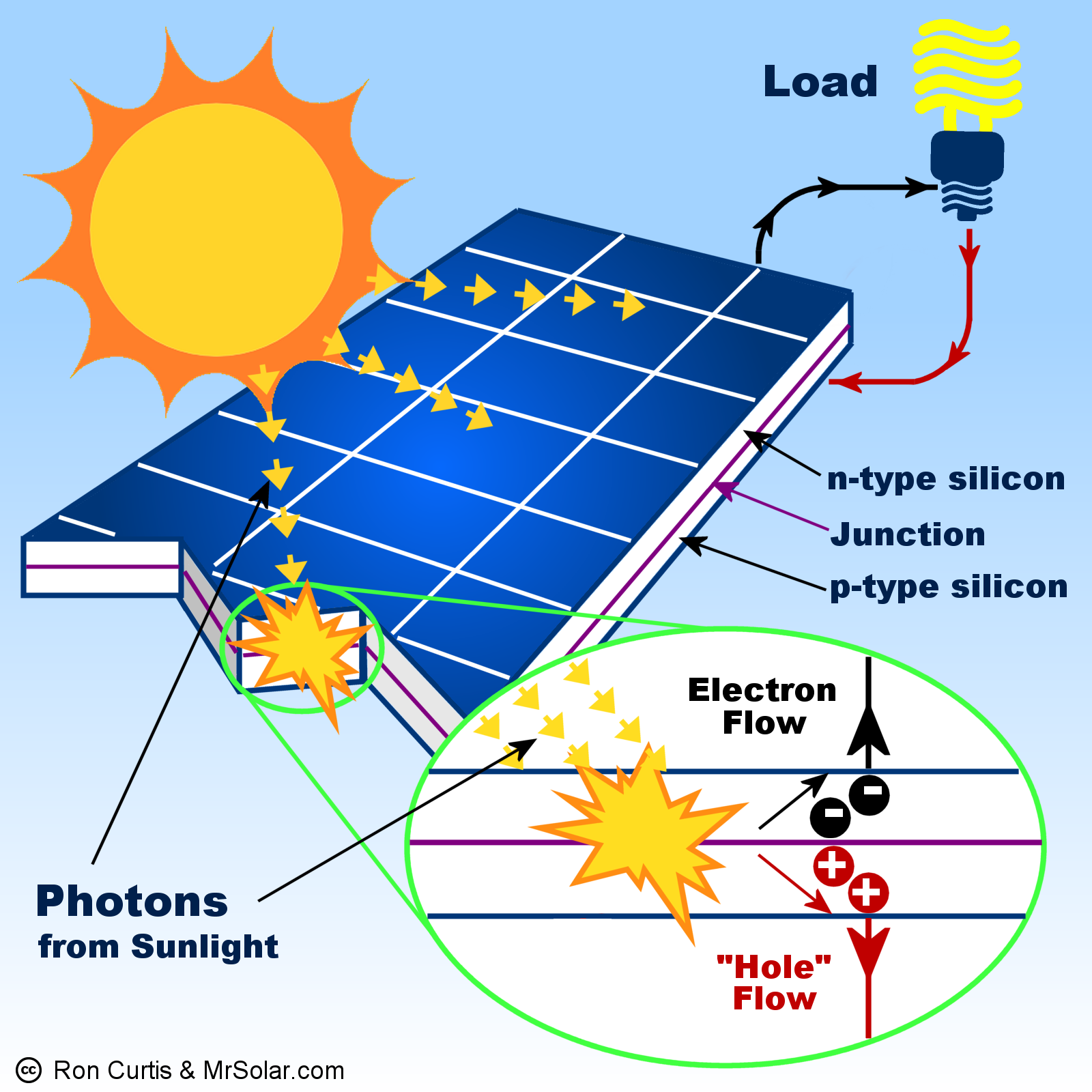
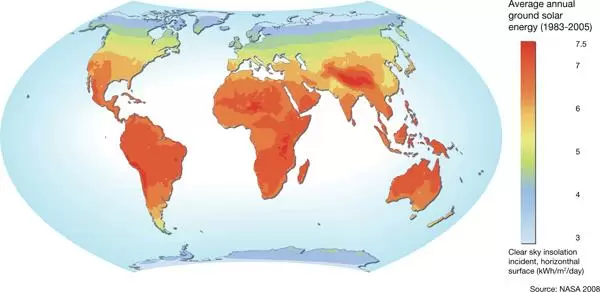
There's something universally delightful about a sunny day, isn't there? That feeling of warmth on your skin, the bright light that lifts your spirits, or even just seeing a vibrant garden come alive. For centuries, humanity has instinctively gravitated towards the sun, not just for its beauty but for its profound impact on life itself. We love sunshine because, at its core, it's the ultimate energy source, a colossal fusion reactor a safe distance away, beaming down power every second. It's truly a marvel, and understanding where this solar energy is "found" isn't about digging it up; it's about looking up and realizing its limitless potential.
The beauty of solar energy lies in its ubiquity and its purpose: to provide clean, renewable energy for our planet. In an era where sustainability is paramount, harnessing the sun's rays offers a tangible pathway to a greener future. For everyday life, this translates into some incredibly practical benefits. Think about powering your home without contributing to carbon emissions, significantly reducing your electricity bills, and gaining a sense of energy independence. Solar energy helps us mitigate climate change, ensures a stable power supply, and can even bring electricity to remote areas that traditional grids can't easily reach. It’s not just about electricity; it’s about creating a more resilient and eco-friendly way of living.
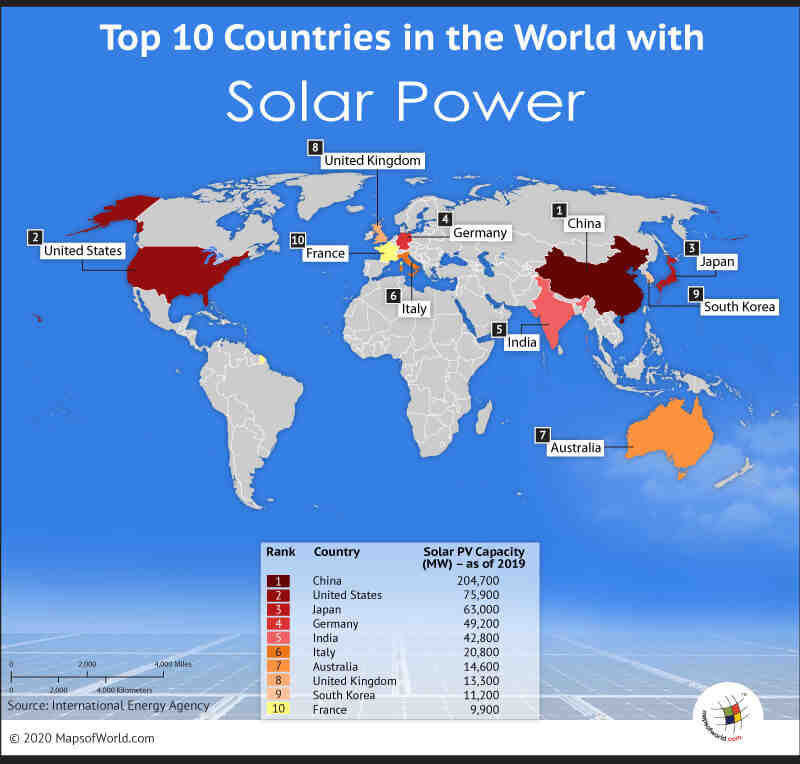
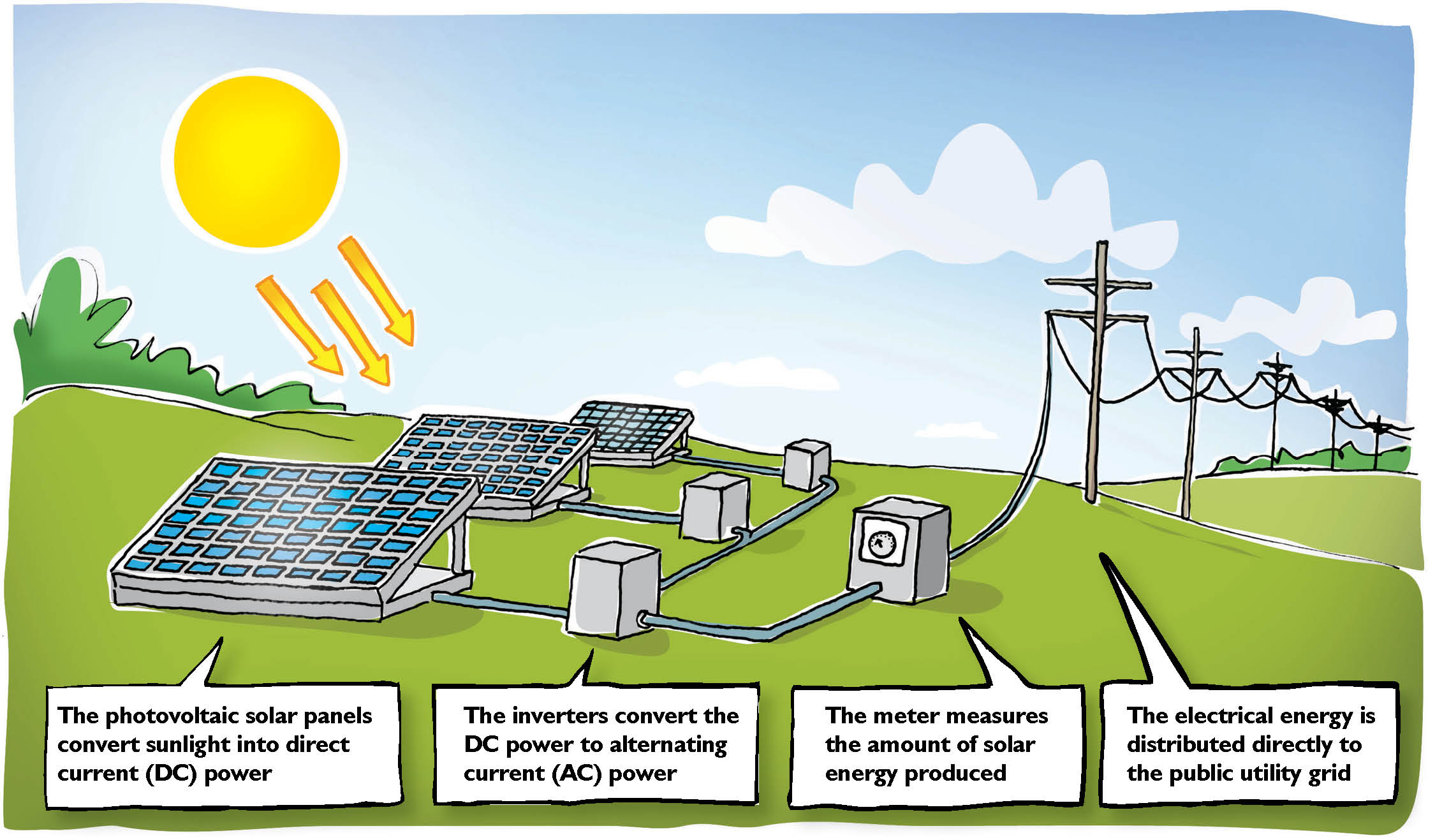
So, where exactly is this incredible energy "found" and applied? Everywhere! The most common image that comes to mind is often solar panels — those sleek, dark rectangles adorning rooftops, quietly converting sunlight into usable electricity for homes and businesses. But the applications are far more diverse. Look closely, and you’ll find small solar cells powering your calculator, those charming garden lights illuminating your patio at night, or even portable chargers keeping your phone alive during outdoor adventures. Beyond electricity, solar thermal systems use the sun’s heat to warm water for showers or swimming pools. Satellites orbiting Earth are solar-powered, allowing us to communicate globally and navigate with GPS. Even the simple act of opening your curtains to let natural light warm a room in winter is a form of passive solar application, leveraging the sun’s natural energy to make your home more comfortable and efficient.
Must Read
Want to enjoy solar energy more effectively in your own life? Start small! Embrace those solar-powered garden lights, or consider a small solar charger for your devices. On a larger scale, investigate the possibility of installing solar panels on your roof; many governments offer incentives and rebates that make it a surprisingly cost-effective upgrade. Even if you're not ready for panels, maximize natural light in your home by opening blinds and curtains, reducing your need for artificial lighting. Educate yourself about your local solar energy options and support businesses that prioritize renewable energy. Every little step helps. By becoming more aware of the sun's incredible power and how we can use it, we don't just find solar energy; we help build a brighter, more sustainable future for everyone, one sunbeam at a time.