Where Is The Site Of Lipid Synthesis

Ever wonder how your body manages to construct those crucial barriers, energy reserves, and hormone building blocks that keep you going? It's all thanks to the amazing process of lipid synthesis! Okay, maybe that doesn't sound like the most thrilling topic at first glance. But think about it: without lipids (fats), you wouldn't have cell membranes to contain your cells, you'd lack vital insulation, and many of your hormones would simply cease to exist. They're the unsung heroes of your inner world!
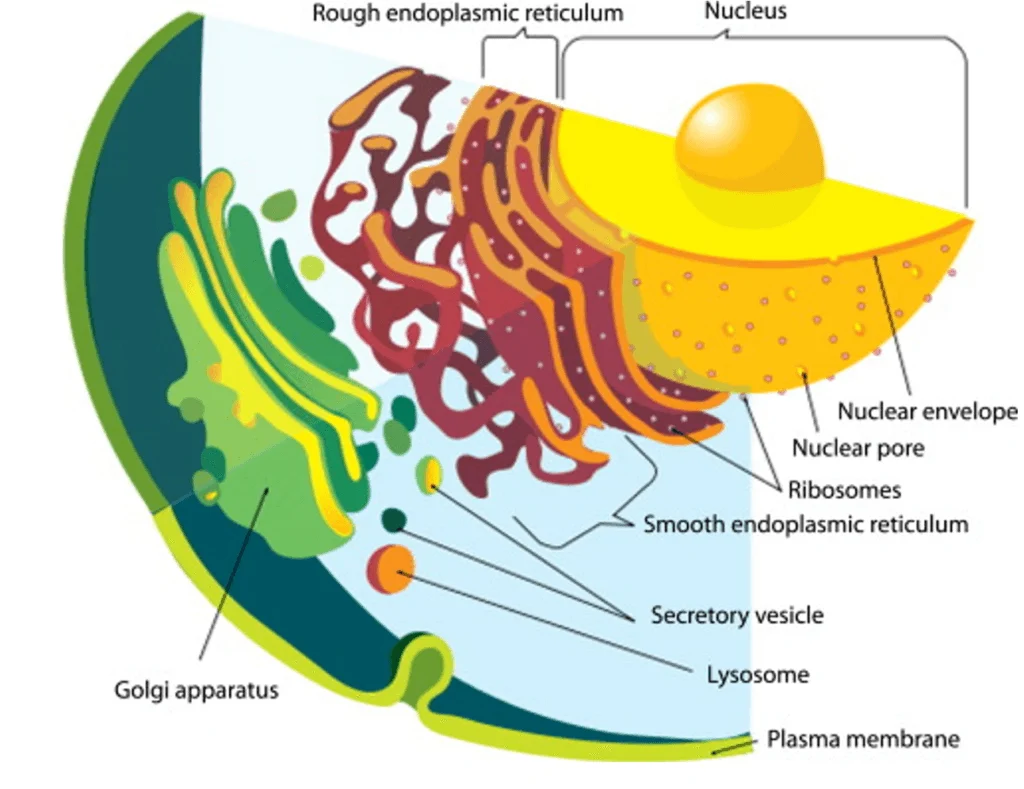
So, where does all this lipid magic happen? The primary site of lipid synthesis, especially for those complex lipids essential for cell structure and function, is the endoplasmic reticulum (ER). Think of the ER as the body's lipid production factory. It's a vast network of membranes that spreads throughout the cell, providing a dedicated workspace for enzymes and other molecules to assemble these vital compounds.
But it's not just any part of the ER. The smooth endoplasmic reticulum (SER) is the superstar when it comes to lipid synthesis. Unlike its rough counterpart (RER) which is studded with ribosomes and involved in protein production, the SER is relatively bare, focusing its energy on manufacturing lipids like phospholipids, cholesterol, and steroids. Imagine the SER as a well-oiled machine, specifically designed to churn out these essential molecules.
Must Read
Lipid synthesis isn't just some abstract biological process; it's absolutely vital for your day-to-day life. For example, the phospholipids synthesized in the ER are essential for building and maintaining cell membranes. These membranes control what enters and exits the cell, protecting its delicate internal environment. Cholesterol, another key lipid synthesized in the ER, is a precursor for steroid hormones like testosterone and estrogen, which play critical roles in growth, development, and reproduction. And then there are triglycerides, the main component of body fat, synthesized for energy storage. Without these lipids, our bodies simply wouldn't function properly. They help with nutrient absorption, provide insulation, and offer a vital cushion for organs.
You might not be able to directly influence the activity of your smooth endoplasmic reticulum, but there are things you can do to support healthy lipid metabolism! Consuming a balanced diet with healthy fats is essential. Focus on incorporating sources of unsaturated fats, like avocados, nuts, and olive oil. Avoid excessive amounts of processed foods and saturated fats, which can disrupt normal lipid metabolism and contribute to health problems. Regular exercise can also help regulate lipid levels in your blood. Aim for at least 30 minutes of moderate-intensity exercise most days of the week. Finally, stay hydrated! Water plays a crucial role in virtually every metabolic process, including lipid synthesis.
In essence, the smooth endoplasmic reticulum is a remarkable cellular organelle that diligently works to synthesize the lipids that are so crucial for our health and well-being. By understanding where lipid synthesis happens and how it benefits us, we can better appreciate the intricate and fascinating processes that keep us alive and kicking!