Where Is The Hurricane In Texas

Alright, let's talk about something that gets a lot of chatter in the Lone Star State: hurricanes! Now, you might think "fun" isn't the first word that comes to mind when we mention these powerful storms, but understanding where a hurricane is in relation to Texas can actually be pretty fascinating and, most importantly, incredibly useful. It's like being able to predict the biggest traffic jam or know exactly when the best bluebonnet blooms will appear – but with a bit more wind and rain involved. For anyone living near the Gulf Coast, or even further inland where heavy rains can still cause trouble, keeping an eye on these weather giants isn't just a good idea; it's a vital part of staying safe and informed. It turns a potentially nerve-wracking situation into an opportunity to be prepared and proactive, which, honestly, feels pretty good!
So, who benefits from knowing exactly "where the hurricane is"? Well, just about everyone! For beginners, maybe someone new to Texas or hurricane season, it's about learning the ropes. It helps you understand official advisories, what a "cone of uncertainty" means, and how to tell reliable information from rumor. This knowledge is key to cutting down on anxiety and making smart decisions. For families, it's absolutely crucial. Knowing a storm's path dictates everything from planning an evacuation route to packing an emergency kit and deciding when to hunker down. It’s about keeping your loved ones safe and minimizing disruption. And for the weather hobbyists or community leaders, tracking these storms can be a captivating pursuit. You might dive into reading radar maps, understanding forecast models, and even helping your community by sharing accurate, official information responsibly.
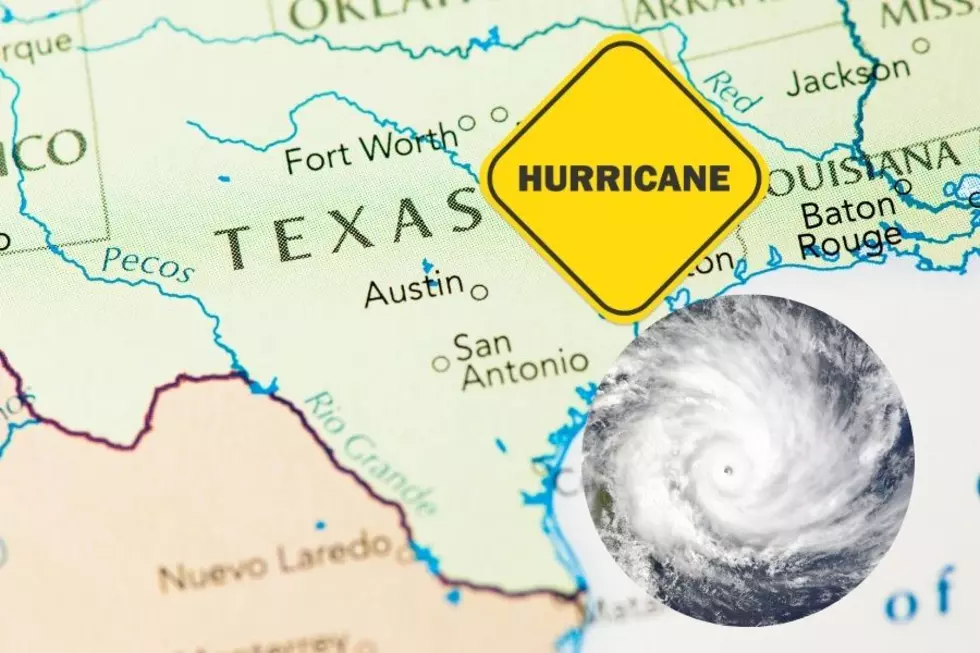
The phrase "where is the hurricane in Texas?" isn't always about a storm currently hitting the coast. It can mean a few things! Sometimes it refers to a named storm still out in the Gulf of Mexico, potentially days away, making its uncertain approach. Other times, it means a hurricane that has already made landfall in a specific region, like Galveston or Corpus Christi, and is now causing active impacts. It could even be a weakened tropical storm or depression that has moved inland, far from the coast, but is still dumping massive amounts of rain, leading to inland flooding. Think about the legacy of storms like Harvey or Ike; even years later, their paths and impacts are still discussed, showing how a hurricane's "where" can have lasting significance beyond its immediate presence.
Must Read
Ready to become a savvy storm tracker? Here are some simple, practical tips to get you started. First and foremost, always rely on official sources. Bookmark the National Hurricane Center (NHC) website and your local National Weather Service (NWS) office. These are the gold standards for accurate, up-to-the-minute information. Next, consider downloading a trusted weather app that offers radar, forecasts, and push notifications for severe weather alerts. Crucially, know your address and whether it falls within a designated evacuation zone. This information is usually available on your county's emergency management website. Finally, start assembling a basic emergency kit: think bottled water, non-perishable food, a first-aid kit, a battery-powered radio, and flashlights. Remember, knowledge is about empowerment, not panic.
So, while the idea of a hurricane might sound daunting, taking the time to understand "where it is" and what that means transforms you from a passive observer into an active participant in your own safety and preparedness. It’s about more than just dodging bad weather; it's about gaining peace of mind, knowing you've taken sensible steps, and truly appreciating the incredible power of nature from a safe and informed perspective. And honestly, there's a certain enjoyment in being well-prepared, isn't there?