Where Is The Best Climate In The United States
Ever find yourself daydreaming about perfect weather? Gentle breezes, sunny skies, and just the right temperature? We all do! Figuring out the "best" climate in the United States isn't just a fun thought experiment; it's actually pretty relevant to a lot of things we care about, from where we might want to live, to planning vacations, to even understanding things like agriculture and energy consumption.
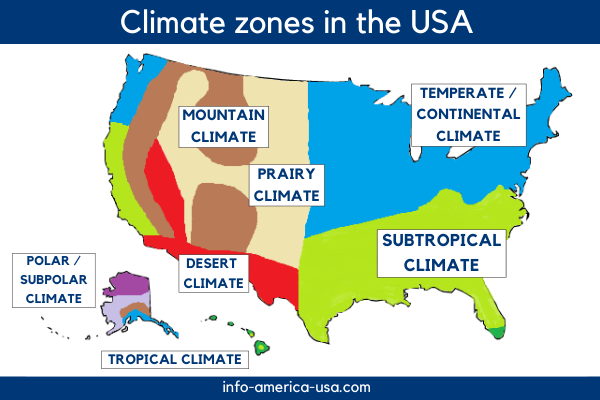
This isn't about declaring one single winner, though. "Best" is totally subjective! It depends entirely on what you personally value. Are you a sun worshipper craving endless days of warmth? Or do you thrive in crisp, cool air and the beauty of four distinct seasons? Understanding the factors that contribute to different climates across the US is the key to finding the perfect match for your preferences.
Why bother even thinking about it? Well, for starters, your climate preferences can significantly impact your quality of life. Living in a place with a climate you love can boost your mood, encourage you to spend more time outdoors, and even improve your physical health. On a more practical level, climate plays a huge role in things like housing costs, energy bills, and the types of activities you can enjoy year-round. Think about it: a snowbird escaping to Florida isn't just looking for sunshine; they're looking for a more affordable and comfortable way to spend their winter months!
Must Read
In education, understanding climate is crucial in subjects like geography, environmental science, and even history. Learning about how different climates have shaped societies and economies provides a deeper understanding of the world around us. For example, discussing the impact of drought on agriculture in California, or the role of hurricanes in the history of the Gulf Coast, brings these topics to life.
In our daily lives, a basic understanding of climate can help us make smarter decisions. From choosing the right clothes for the day to planning a garden, knowing what to expect weather-wise can save us time, money, and maybe even a little frustration. Planning a cross-country road trip? Knowing the average temperatures and rainfall in different regions can help you pack appropriately and avoid unpleasant surprises.
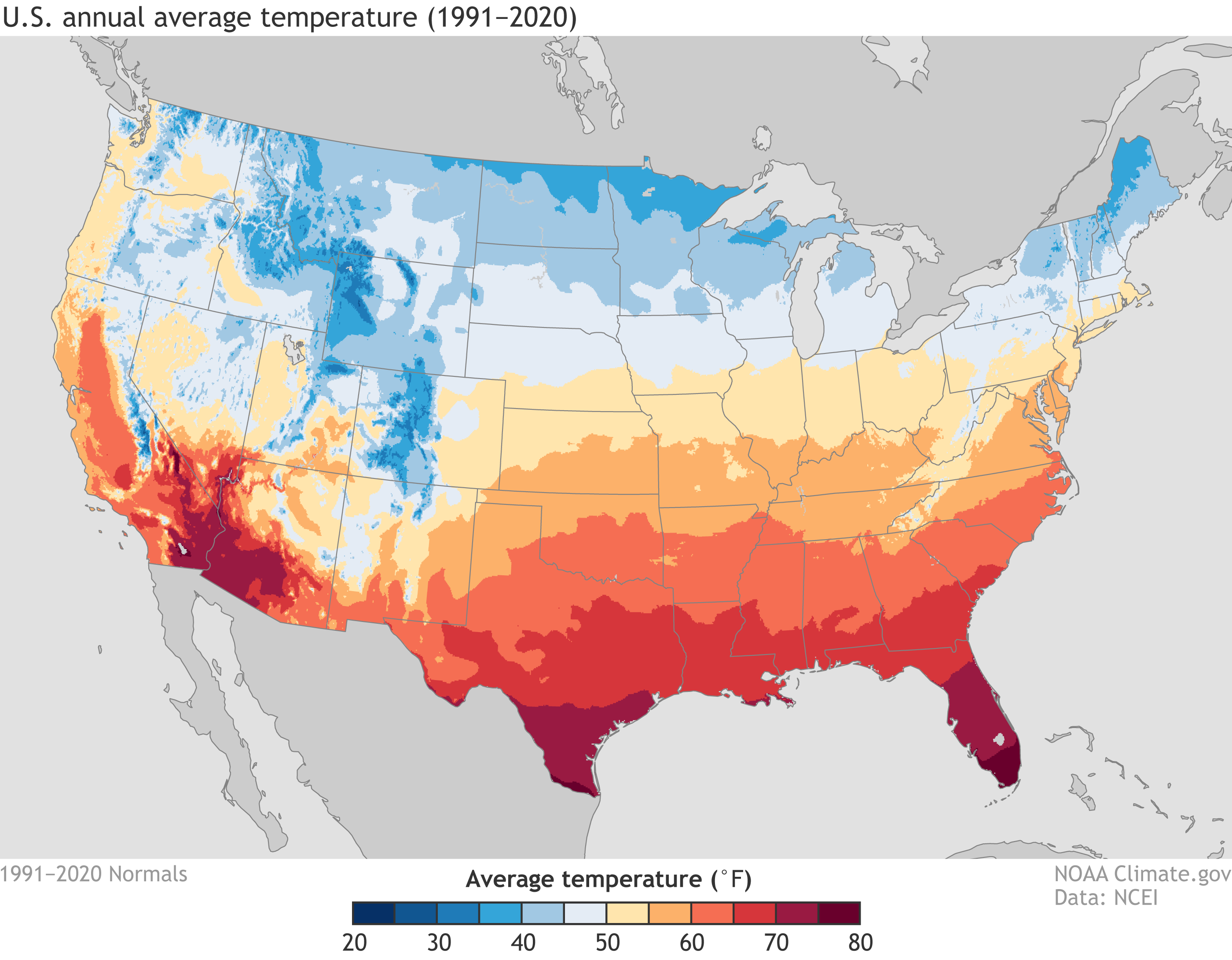
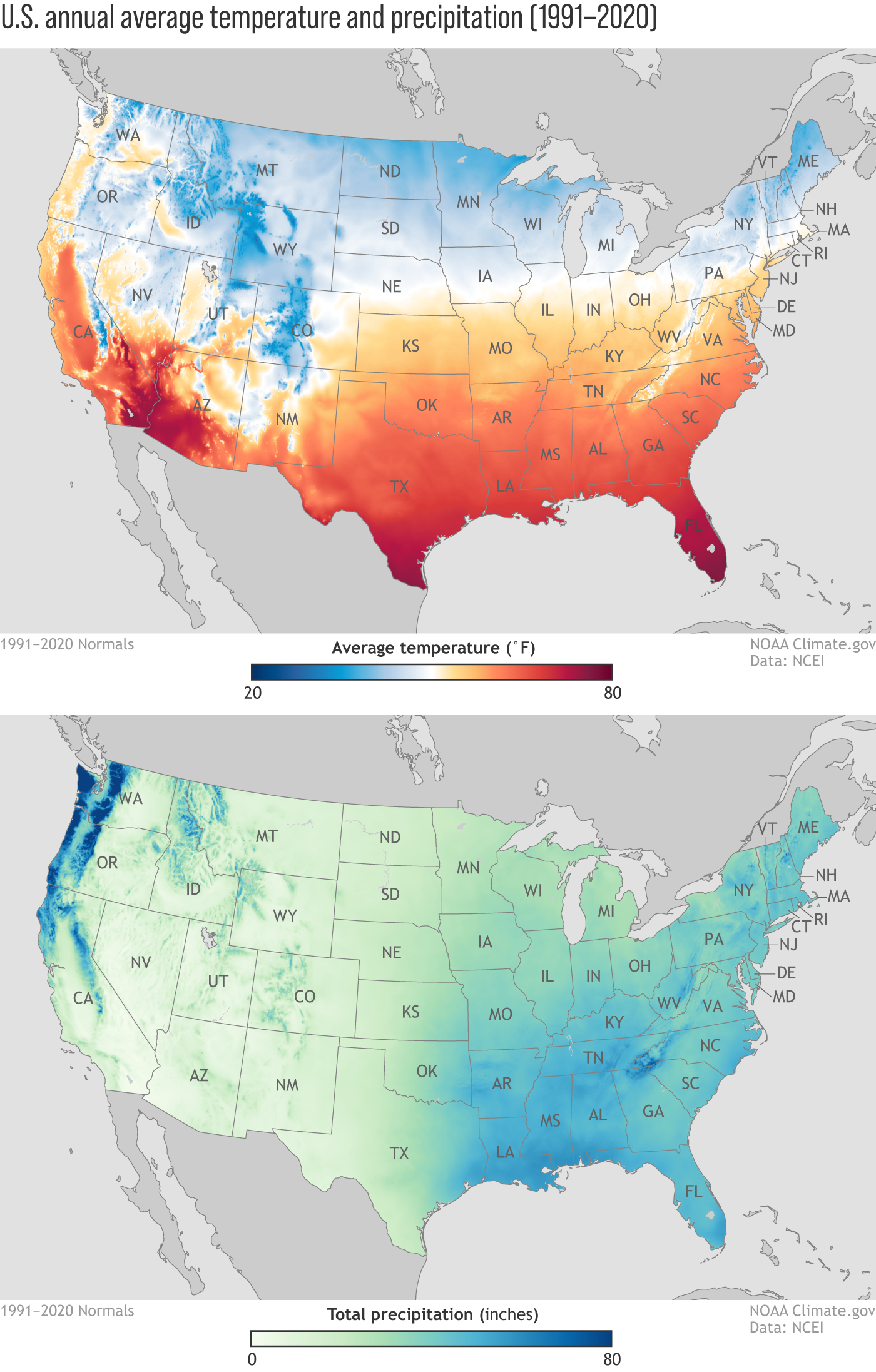
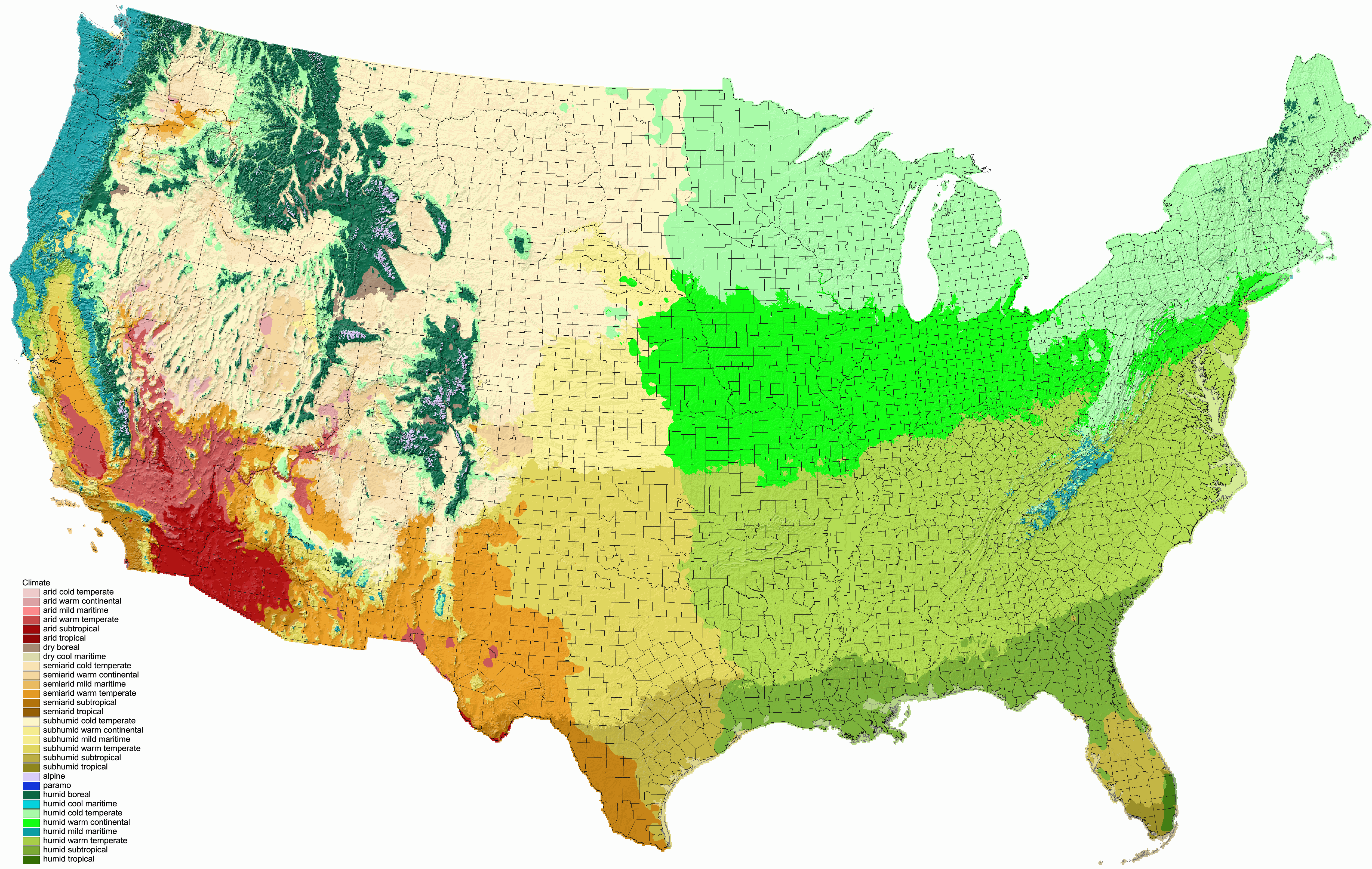
So, how can you explore this topic further? It's easier than you think! Start by thinking about what kind of weather makes you happiest. Do you enjoy warm summers and mild winters? Or do you prefer cooler temperatures and the changing colors of autumn? Then, check out online climate maps and resources like the National Oceanic and Atmospheric Administration (NOAA) website. These resources provide detailed information on temperature averages, rainfall patterns, and other climate-related data for cities and regions across the US. Consider using websites that allow you to compare climates side-by-side, making it easier to see the differences between, say, Phoenix and Seattle.
Don't be afraid to delve deeper! Read articles about different regions of the country and pay attention to how the climate is described. Talk to friends and family who live in different parts of the US and ask them about their experiences with the local weather. You can even use travel blogs and forums to get insights from people who have visited or lived in various locations. The goal is to gather as much information as possible to paint a clear picture of the climate in different parts of the country and determine what works best for you. Ultimately, the "best" climate is a personal choice, and the journey of discovery is part of the fun!