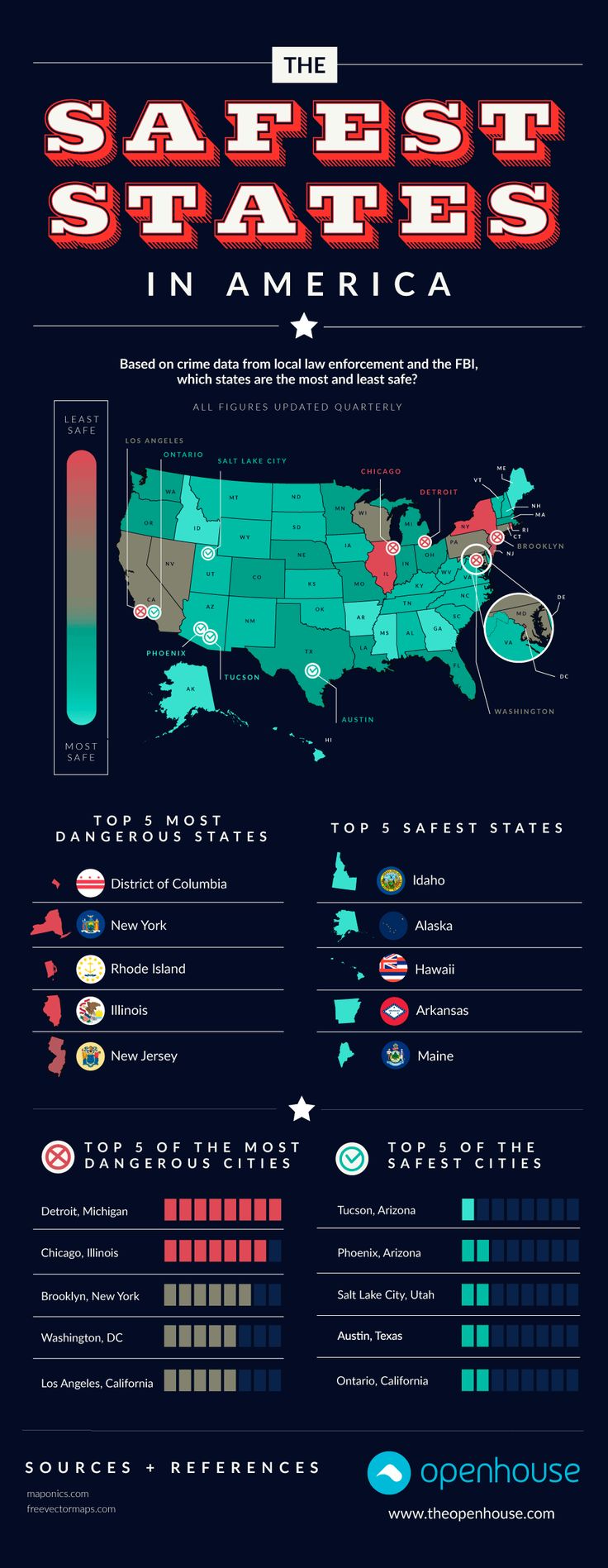
Where Is Safest Place To Live
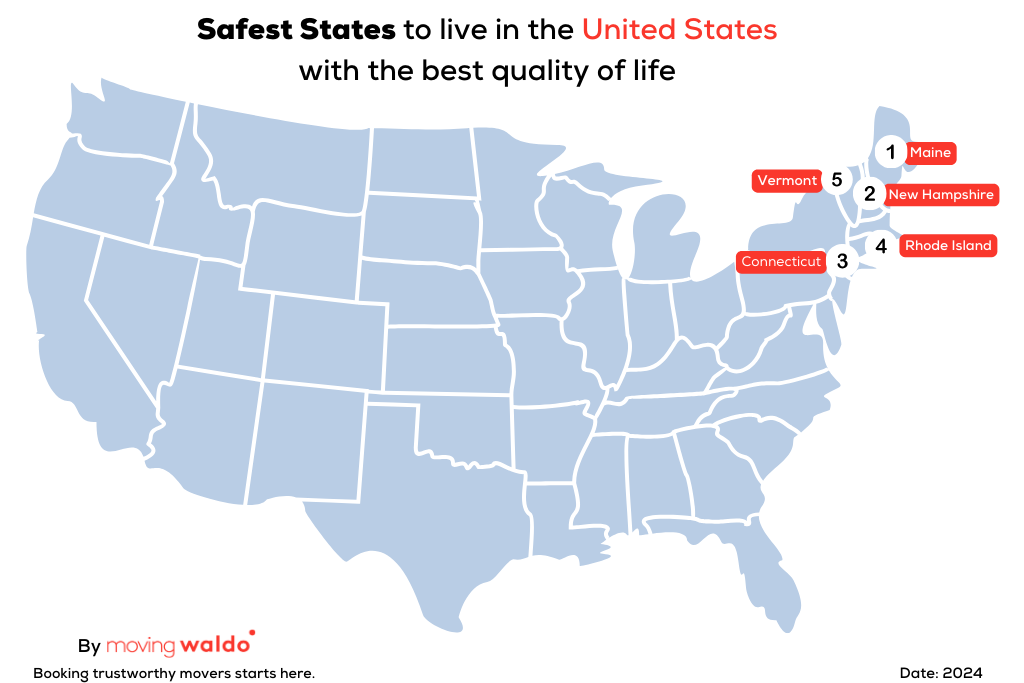
Ever found yourself scrolling through travel blogs or daydreaming during a particularly stressful Tuesday, wondering: "Where's the absolute safest place to live on this big, beautiful planet of ours?" It's a question that pops into most minds at some point, isn't it? Like trying to find the perfect, most comfy spot on the sofa – you just want to feel secure and at ease.
But here's the kicker: defining "safest" is a bit like trying to catch smoke with your bare hands. It's slippery! What makes a place safe for you might be completely different for someone else. Is it about zero crime? Is it about being tucked away from all natural disasters? Or is it something more nuanced, like feeling a deep sense of community and support?
Beyond Just Low Crime Rates
When most of us think about safety, our minds often jump straight to crime statistics. And sure, places with incredibly low crime rates definitely make the shortlist. Think about countries like Iceland, often topping global peace indexes. Imagine a place where police officers famously don't even carry guns, and the biggest local news might be about a lost sheep or someone's cat stuck in a tree! Sounds pretty chill, right?
Must Read
Then there's New Zealand, a stunning island nation known for its breathtaking landscapes and incredibly friendly people. It consistently ranks high on safety scales, often due to its political stability and low levels of societal conflict. It's like living inside a postcard, but with added peace of mind. Or how about Singapore? A bustling city-state that's almost legendary for its orderliness and strict laws, making it feel incredibly secure, almost like a meticulously designed urban paradise.
The Great Outdoors: Dodging Mother Nature's Mood Swings
But what about Mother Nature? She can be quite the character, can't she? For some, safety means being far away from earthquakes, hurricanes, tsunamis, or volcanic eruptions. This gets a bit trickier, as almost every corner of the world has some natural quirk. Coastal areas might face tsunamis or storms, while inland regions could deal with droughts, wildfires, or blizzards.

Consider places deep in the heart of stable continental plates, away from major fault lines or hurricane paths. Parts of the Canadian prairies, for example, or certain landlocked European countries, might offer a different kind of natural tranquility. Of course, they might get a good snowstorm or a heatwave, but perhaps not the dramatic, destructive kind of events that make headlines. It's all about balancing one risk against another, like picking your favorite kind of adventure, but for your home!
The Quiet Comfort of Political & Economic Stability
Safety isn't just about what's visible. It's also about the invisible forces that shape our lives: political stability and economic security. A place might have low crime, but if the political landscape is constantly shifting or the economy is a roller coaster, that feeling of safety can quickly erode.
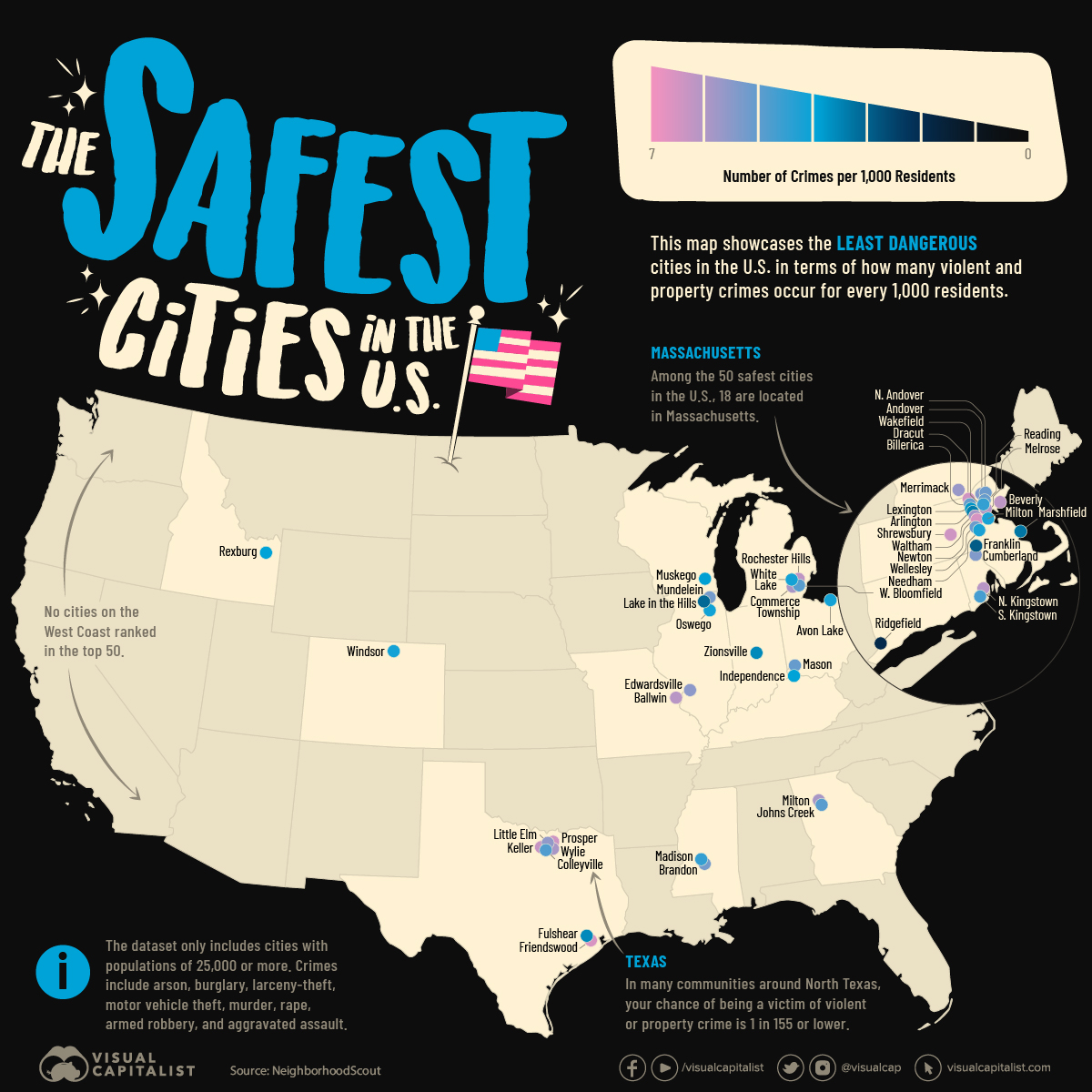
This is where countries with strong democracies, reliable social safety nets, and robust economies often shine. Think about nations like Switzerland, Denmark, or Norway. They consistently rank high not just for low crime, but also for general well-being, access to healthcare, education, and a sense of shared community. It's like having a really good, stable foundation under your house – you know it's not going anywhere.
The Personal Touch: What Makes You Feel Safe?
Ultimately, the "safest place" might not be a country at all, but a feeling. It could be your cozy neighborhood where everyone knows your name and kids play freely in the street. It could be a small town where doors are left unlocked (gasp!). Or maybe it's the bustling city where you feel anonymous but connected, surrounded by opportunities and services.

Could it be the place where you have the strongest support system? Where your family and friends are close by? Because let's be honest, having people who care about you and who you can rely on is a huge part of feeling secure, no matter where you are. It’s like carrying your own personal safety net wherever you go.
So, where is the safest place to live? It's less about a pinpoint on a map and more about a combination of factors that resonate with your personal definition of peace and security. It's about data, yes, but it's also about vibes, community, and that intangible feeling of being truly at home.
Maybe it's the place where you can walk at night without a second thought, or where you know you'll be taken care of if you get sick. Perhaps it's where you feel you can truly be yourself, without fear or judgment. Whatever it is, the search for the safest place is a fascinating journey of self-discovery, leading us not just to a location, but to a deeper understanding of what truly matters to us.