
Where Is Most Of The Freshwater Found On Earth

Ever wondered where all that refreshing freshwater we rely on actually is? We often think of rivers and lakes, but those are just the tip of the iceberg – or rather, the tip of the glacier!
The Icy Truth: Glaciers and Ice Caps
Prepare for a cool fact: a staggering 68.7% of the world's freshwater is locked up in glaciers and ice caps. Yes, you read that right! Think of the majestic landscapes of Greenland, Antarctica, and the towering peaks of the Himalayas. These icy giants are essentially frozen reservoirs holding the majority of our planet's freshwater supply. Imagine trying to build a really, really big ice cube – that's the scale we're talking about!
This makes them incredibly important. As global temperatures rise, the melting of these glaciers not only contributes to rising sea levels, but also affects freshwater availability downstream. It’s a delicate balance, and one we need to be mindful of.
Must Read
Fun Fact: The Himalayas are often called the "Water Tower of Asia" because they feed some of the continent's largest rivers, including the Ganges, Indus, and Yangtze!
Going Underground: Groundwater's Hidden Potential
Next up, let's delve beneath the surface. Approximately 30.1% of freshwater is found as groundwater. This isn't just some muddy puddle under your garden; we're talking about vast aquifers – underground layers of rock and soil that hold water like a sponge.
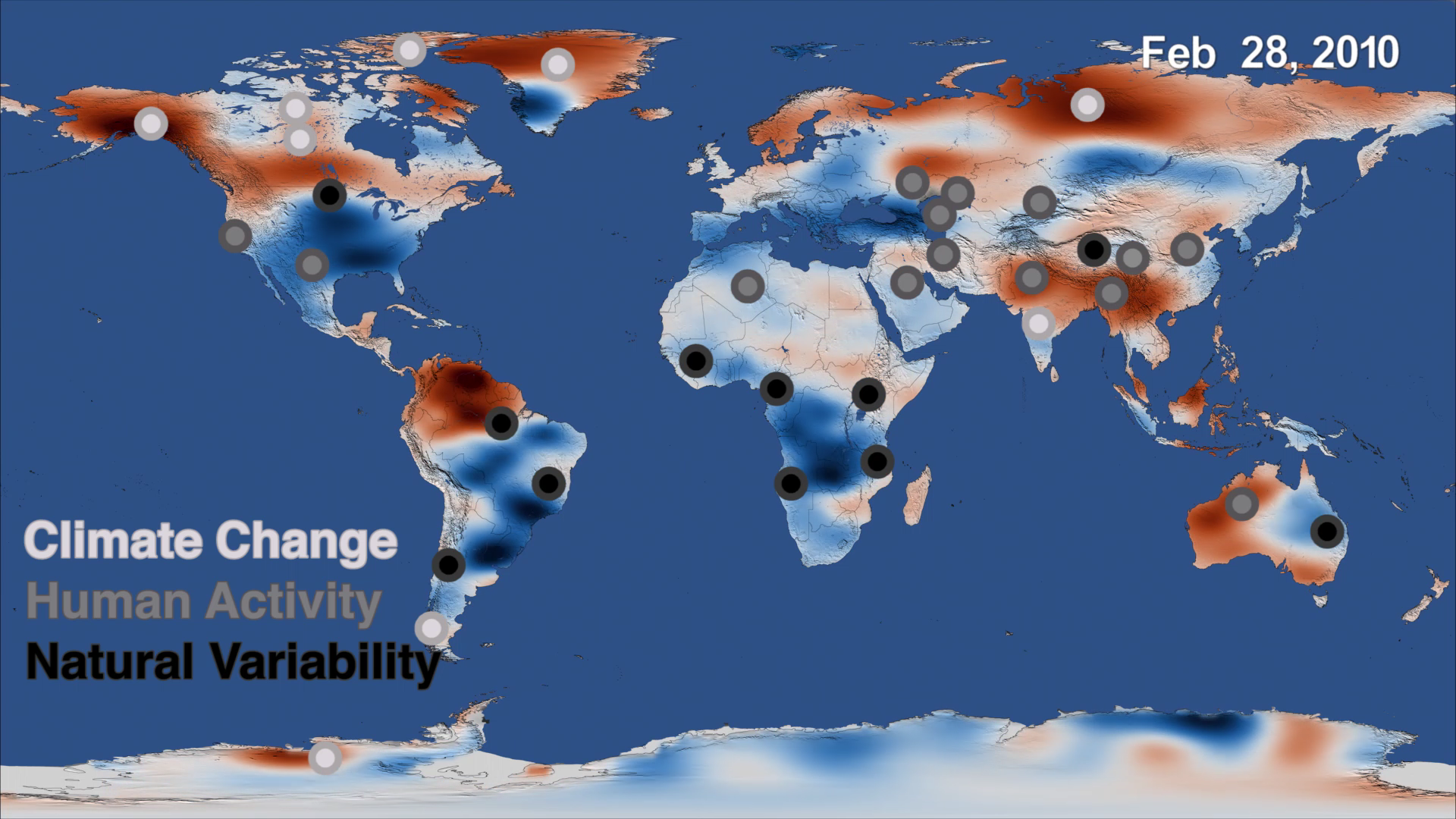
Accessing groundwater requires wells and boreholes, and it's a crucial source of drinking water for many communities around the globe. Think of it as Earth's secret stash of refreshment! Understanding the flow and recharge rates of these aquifers is vital for sustainable water management. Over-extraction can lead to depletion, land subsidence, and saltwater intrusion in coastal areas – problems no one wants.
Practical Tip: Consider using a rain barrel to collect rainwater for watering your garden. This reduces your reliance on municipal water sources and helps replenish groundwater supplies.

Surface Water: Rivers, Lakes, and Wetlands
Okay, now we get to the water bodies we see and interact with most often: rivers, lakes, and wetlands. While they seem abundant, these sources only account for around 0.3% of the world's freshwater. Shocking, right?
These surface waters are incredibly important for ecosystems, transportation, recreation, and irrigation. From the mighty Amazon to the tranquil Lake District, they shape landscapes and support diverse life. However, they are also highly vulnerable to pollution, overuse, and climate change. Protecting these precious resources requires careful planning and responsible stewardship.

Cultural Reference: Think of all the songs and poems inspired by rivers and lakes. Water holds a deep symbolic significance in many cultures, representing life, purification, and renewal.
The Rest: A Tiny Slice of the Pie
The remaining fraction of freshwater is found in soil moisture, permafrost, atmospheric water, and biological water. These sources, while small individually, play crucial roles in the water cycle and ecosystem functioning. Every drop counts!
Fun Fact: The average human body is about 50-65% water! We are essentially walking, talking water balloons.
Consider This: The next time you pour a glass of water, remember the incredible journey it has taken to reach your tap. From icy glaciers to underground aquifers, freshwater is a precious resource that connects us all. By understanding where it comes from and how it's distributed, we can appreciate its value and work towards a more sustainable future.
Think about simple changes in your daily life. Shorter showers, fixing leaky faucets, and being mindful of your water consumption can all make a difference. Every little bit helps in preserving this invaluable resource for generations to come. After all, water is life!