
Where Is Lead Found On Earth

Ever thought about lead? Not in a "chemistry class nightmare" way, but more like, "where did this ancient, often-maligned metal actually come from and where does it lurk today?" It's a fascinating journey, spanning millennia, from its natural origins to its persistent presence in our modern world. So, grab a kombucha, settle in, and let's explore the hidden corners where lead makes its home.
The Earth's Embrace: Lead's Natural Roots
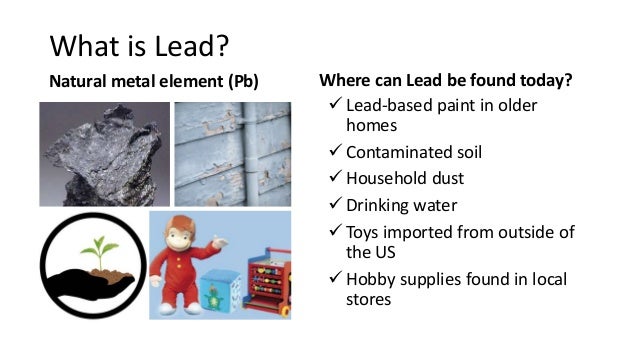
First things first, lead (Pb on the periodic table, for those keeping score) isn't some artificial creation. It's a naturally occurring element, found in the Earth's crust, usually in conjunction with other metals. Think of it like a quiet, sturdy character in geology's vast ensemble. The most common ore is galena (lead sulfide), a shiny, silvery-gray mineral that's actually quite beautiful in its raw form.
Historically, humanity stumbled upon lead because it's relatively easy to extract and work with. Its low melting point made it a go-to material for everything from ancient Roman pipes (hello, "plumbum," the root of our word plumbing!) to intricate medieval stained glass. It was the MVP of ancient engineers and artisans, often without a full grasp of its less-than-friendly side effects.
Must Read
The Echoes of History: Where Lead Still Lingers
While we've largely moved away from intentionally using lead in many modern products, its legacy lives on, particularly in places built before widespread awareness of its toxicity. This is where most of us are likely to encounter it today.
Old Homes: A Primary Suspect
If you live in a charming vintage abode, chances are you're sharing space with remnants of lead. Think:

-
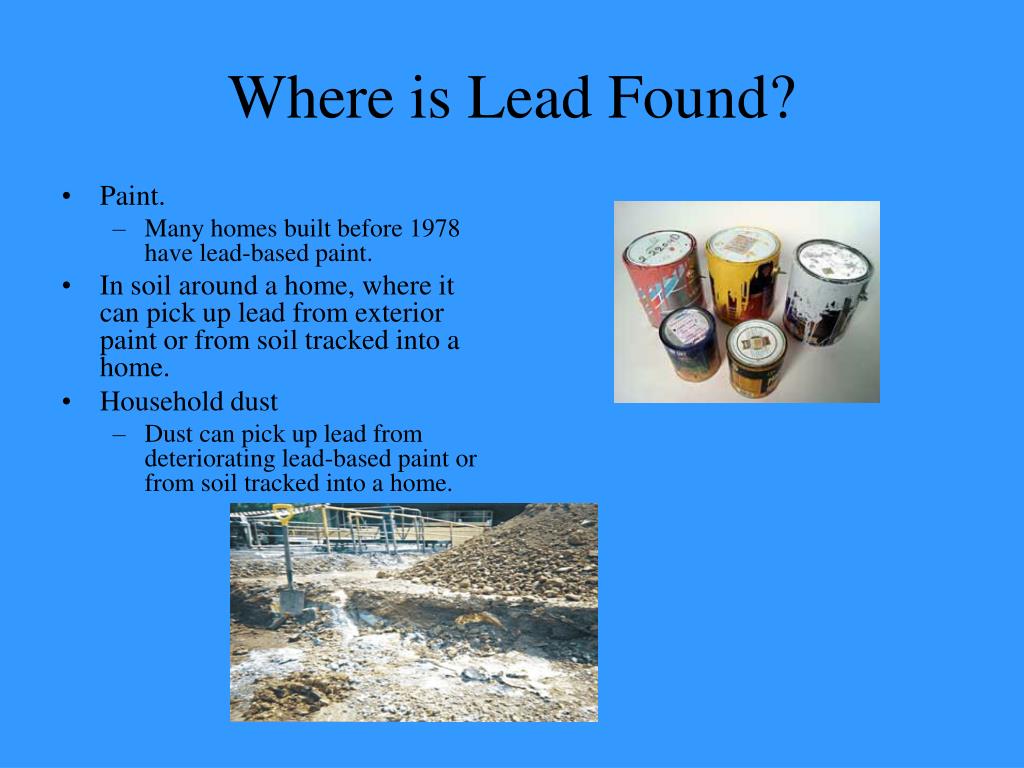
Lead-based paint: This is a big one. Homes built before 1978 in the U.S. (and similar dates in other countries like the UK before the 1992 ban on lead in decorative paint) very likely have lead paint layers beneath newer coats. It's usually fine when undisturbed, but chipping, peeling, or sanding can release harmful dust. Practical tip: If you're renovating an older home, get it tested for lead paint before you start scraping!
-
Lead pipes and solder: Older water service lines, internal plumbing, and even the solder used to join copper pipes might contain lead. Remember those Roman pipes? We kept using it for a long, long time. Practical tip: If you suspect lead pipes, flush your taps for a minute or two before using water for drinking or cooking, and consider a certified water filter.
Beneath Our Feet: The Soil Story
Even if your house is brand spanking new, the ground beneath it might tell an older story. Soil in urban areas, or near former industrial sites and busy roads, can be contaminated with lead. How?
-
Leaded gasoline: For decades, cars burned gasoline containing lead, spewing microscopic particles into the air that eventually settled into the soil. Even though leaded gas was phased out decades ago (hello, 1996 in the US!), the lead remains.
-
Industrial legacy: Past smelters, factories, and even some historic painting operations left their mark. Practical tip: If you're an avid gardener, especially in older urban areas, consider getting your soil tested. Raised beds with fresh, uncontaminated soil are a great solution!
Everyday Surprises: Less Obvious Spots
Sometimes lead pops up in unexpected places:
-
Certain ceramics and glazes: Some imported or older pottery, especially if made for decorative rather than food use, can contain lead in its glaze. The same goes for some antique crystal glassware.
-
Traditional remedies and cosmetics: In some cultures, certain traditional medicines or eye makeup (like kohl) can contain lead. Always be mindful of unregulated products.
-
Older toys and jewelry: While heavily regulated now, vintage or imported cheap toys and costume jewelry can sometimes contain lead paint or lead itself.

Global map of lead covering 27% of Earth's land surface. | Download -
Fishing weights and ammunition: Hunters and anglers are familiar with lead's density and weight, making it useful in these applications. Efforts are ongoing to introduce lead-free alternatives.
-
Batteries: Car batteries are a major consumer of lead. While enclosed and recyclable, the industrial processes around them require careful management.
A Little Perspective, A Lot of Awareness
It's easy to get overwhelmed, but the key is awareness, not alarm. Lead is a persistent element, and its history intertwines deeply with ours. For centuries, its utility was celebrated, and its dangers largely misunderstood. Today, we know better.
Understanding where lead is found isn't about fear; it's about empowerment. It's about making informed choices for our homes, our gardens, and our families. It's a reminder that even the most "natural" things need careful handling and that knowledge truly is power when it comes to living a healthy, modern life.