
Where Is Electricity Made At A Coal Fired Power Plant
Ever flick a light switch and wonder where that magical electricity comes from? We often take for granted the incredible journey energy makes to power our homes, devices, and even that all-important morning coffee. Today, we're diving deep (literally!) into the heart of one of the most common sources of electricity: the coal-fired power plant.
So, grab a comfy seat, and let's uncover the secrets of how these behemoths transform humble coal into the electricity that fuels our modern lives. Forget those dusty textbooks; we're going for a fun, accessible approach!
The Coal's Grand Entrance
Imagine a mountain of coal, perhaps sourced from a vast mine – a scene straight out of "October Sky," but on a much larger, industrial scale. This coal is the star of our show, the raw material destined to become electricity. It arrives at the power plant, often by train or barge, ready for its transformation.
Must Read
Before it can be used, the coal usually undergoes some preparation. Think of it as getting ready for a red carpet event! It's often crushed into a fine powder. Why? This increases the surface area, allowing it to burn more efficiently. More bang for your buck, energy-wise!
The Fiery Furnace: Where the Magic Begins
Here's where things get hot – seriously! The pulverized coal is blown into a massive furnace, sometimes as big as a small apartment building. Inside, it's mixed with hot air and ignited. The resulting inferno can reach temperatures over 2,000 degrees Fahrenheit. That's hotter than lava from a volcano! Think Mount Doom, but with slightly more advanced technology.
:max_bytes(150000):strip_icc()/electricity-cable-with-sparks-artwork-525442015-5804fee23df78cbc28a71d9f.jpg)
This intense heat is crucial. It's the catalyst that sets the entire energy conversion process in motion.
Boiler Room Blues (But in a Good Way!)
Surrounding the furnace are walls lined with tubes filled with water. These tubes form a giant boiler. The heat from the burning coal warms the water, transforming it into high-pressure steam. Imagine a supercharged kettle, but on an industrial scale.

This steam is the next key player in our energy story. It's under immense pressure and ready to be unleashed to do some serious work.
The Turbine Tango: Energy in Motion
The high-pressure steam is then directed towards a turbine – a complex machine with rows of precisely engineered blades. The steam slams into these blades, causing the turbine to spin at incredible speeds, often thousands of revolutions per minute. It's like a high-tech water wheel, but powered by superheated steam instead of water.
This spinning motion is where mechanical energy comes into play. It's the physical movement that will ultimately be converted into electricity.
Generator Genius: From Motion to Electricity
The turbine is connected to a generator, which is essentially a large coil of wire surrounded by magnets. As the turbine spins, it rotates the coil within the magnetic field. This induces an electric current in the wire, a phenomenon discovered by Michael Faraday way back in the 1830s. Thanks, Mike!
This is the moment of truth – the culmination of all that burning, boiling, and spinning. The mechanical energy of the turbine is finally transformed into electrical energy. It's like the grand finale of an elaborate Rube Goldberg machine.
:max_bytes(150000):strip_icc()/electrical-sparks--artwork-548000401-5989ea456f53ba001118af4b.jpg)
From Plant to Plug: Delivering the Goods
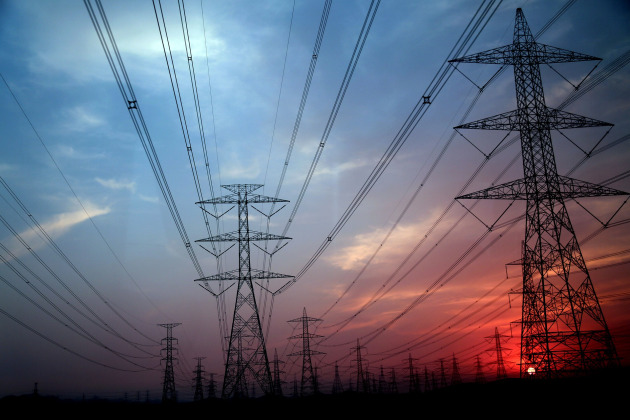
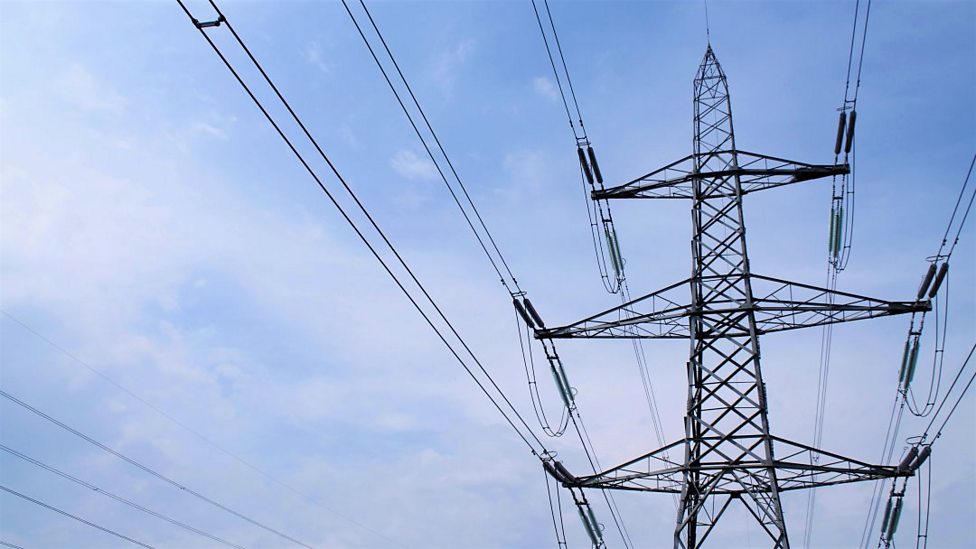
The electricity generated is then sent to a transformer, which increases the voltage so it can be transmitted efficiently over long distances via power lines. Think of it as streamlining the flow of electricity to make it easier to transport. These power lines act like superhighways, carrying the electricity to your neighborhood substation, where the voltage is lowered again before it enters your home.
Practical Tips and Considerations
While coal-fired power plants provide a significant portion of our electricity, they also have environmental impacts. Here are a few ways you can help reduce your carbon footprint:
* Conserve energy: Turn off lights when you leave a room, unplug chargers when not in use, and consider energy-efficient appliances. * Support renewable energy: Look into options for purchasing renewable energy from your utility provider. * Advocate for change: Support policies that promote clean energy and reduce reliance on fossil fuels.A Final Flicker of Thought
The next time you flip a light switch, remember the journey – from the coal mine to the fiery furnace, the spinning turbine to the generator's hum. It's a complex and fascinating process that highlights the intricate web connecting our daily lives to the energy sources around us. Understanding this process helps us appreciate the importance of energy conservation and the ongoing search for cleaner, more sustainable energy solutions. It's not just about electricity; it's about our responsibility to the planet and future generations.