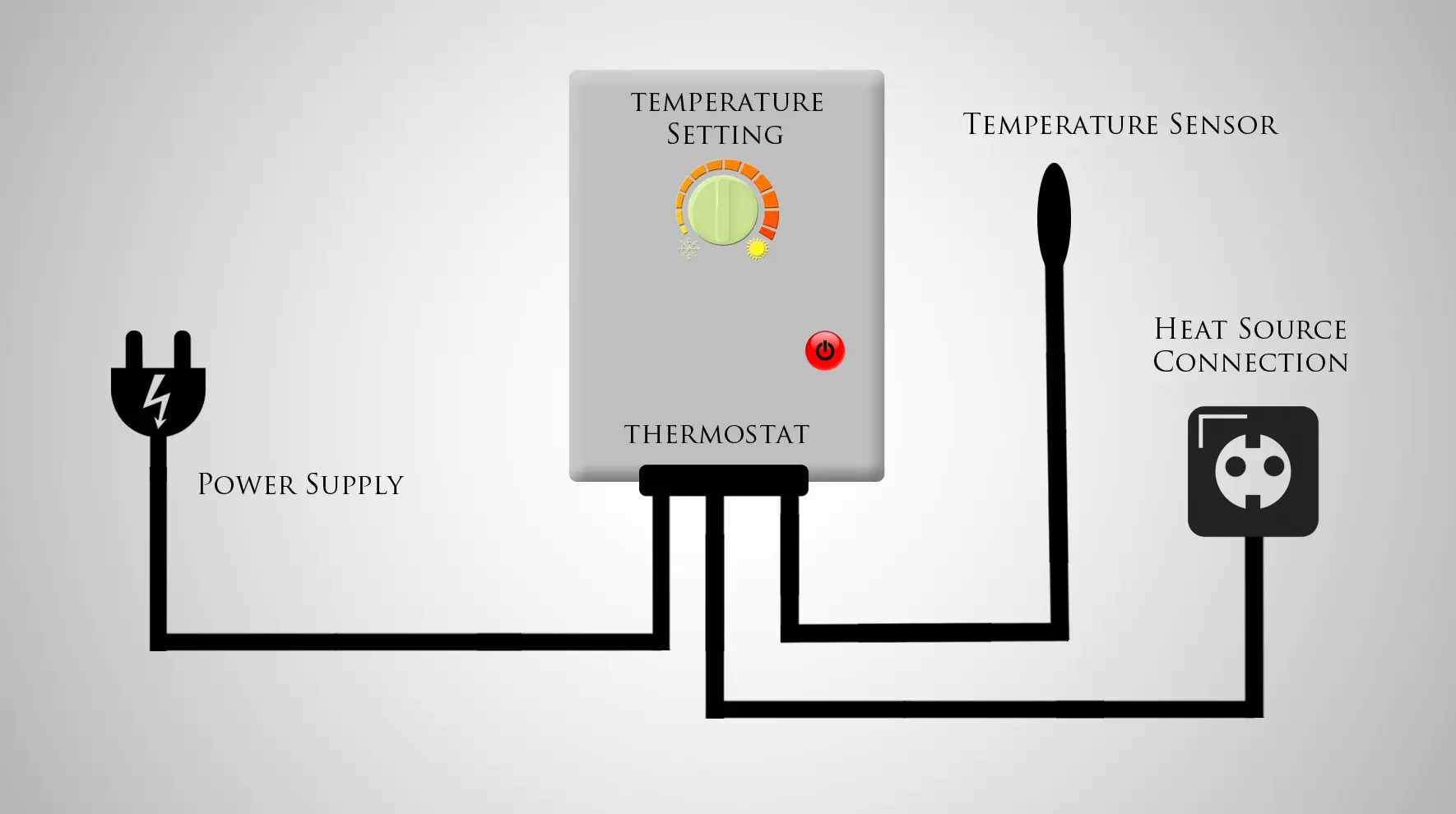
Where Does The Thermostat Measure Temperature
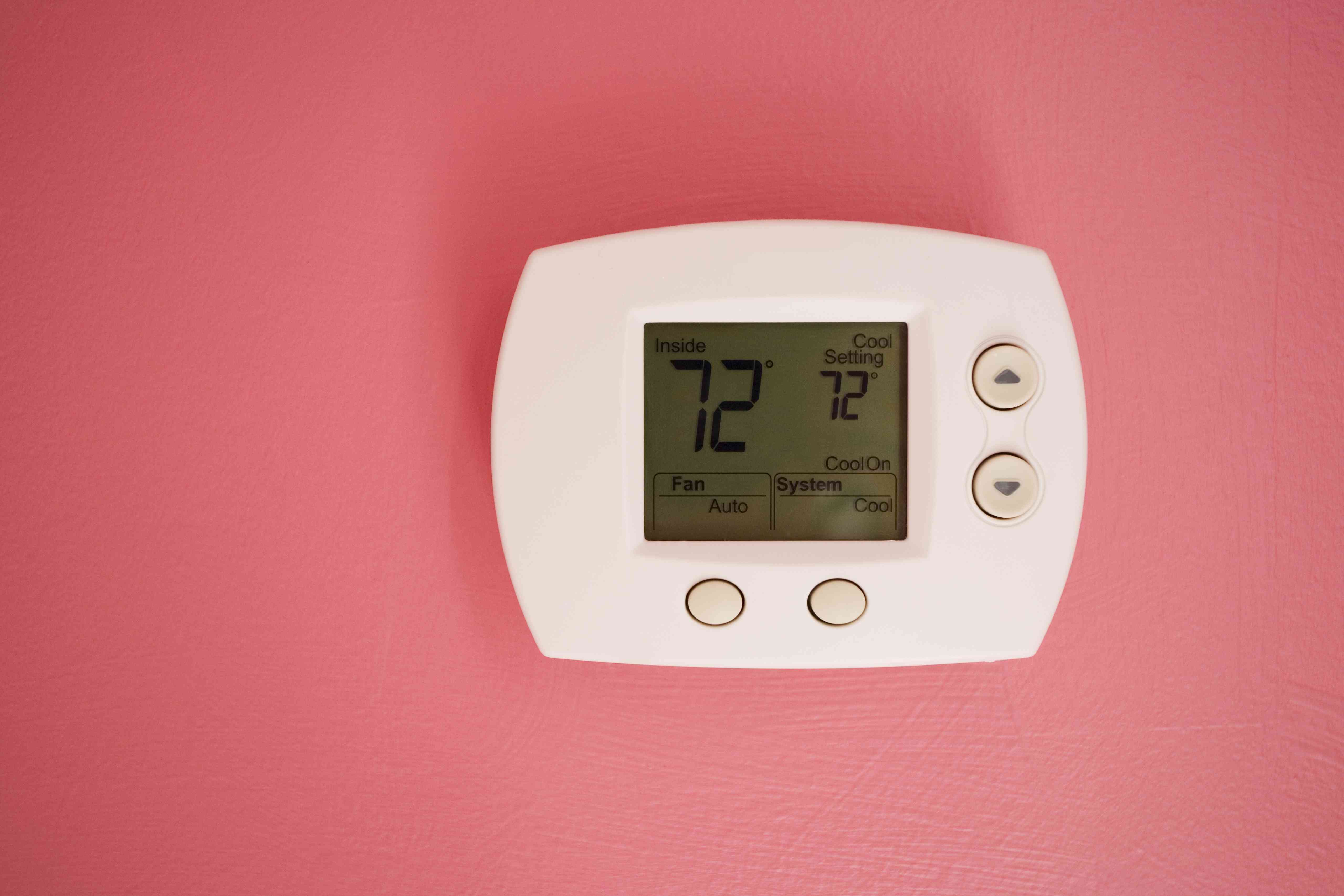
Ever wondered where your thermostat is sneakily getting its intel? You know, the little box on the wall that dictates whether you’ll be sweating buckets or building an igloo indoors? It's not magic (though sometimes it feels like it when it disagrees with your personal preferences!). It's all about location, location, location.
Think of your thermostat as a really picky house guest. If you put it right next to the oven, it's going to think your entire home is a pizza oven. If it's shivering by a drafty window, it'll have you cranking up the heat until you’re practically living in the Sahara. So, where does it actually sit to get a fair reading?
The Goldilocks Zone for Thermostats
Ideally, your thermostat should be in a place that’s not too hot, not too cold, but just right. Goldilocks would approve. This usually means:
Must Read
- Away from direct sunlight: Think vampires. Thermostats hate sunlight almost as much. Direct sun can trick it into thinking the room is warmer than it is, causing your AC to overwork.
- Away from drafts: No open windows, drafty doors, or air vents pointed directly at it. A cold blast will have it overcompensating and blasting the heat.
- On an interior wall: Exterior walls are more prone to temperature fluctuations. An interior wall gives a more consistent reading of the overall temperature of your living space.
- About five feet off the ground: This is generally considered a good height for sensing the average temperature. It’s not down where the pets are (who are probably always warmer anyway, with all that fur!), and not up near the ceiling where heat rises.
Basically, it’s trying to avoid being a drama queen about the temperature.
Why Does It Matter?
Okay, so your thermostat has a preferred habitat. Big deal, right? Wrong! Putting your thermostat in the wrong place can lead to all sorts of problems:
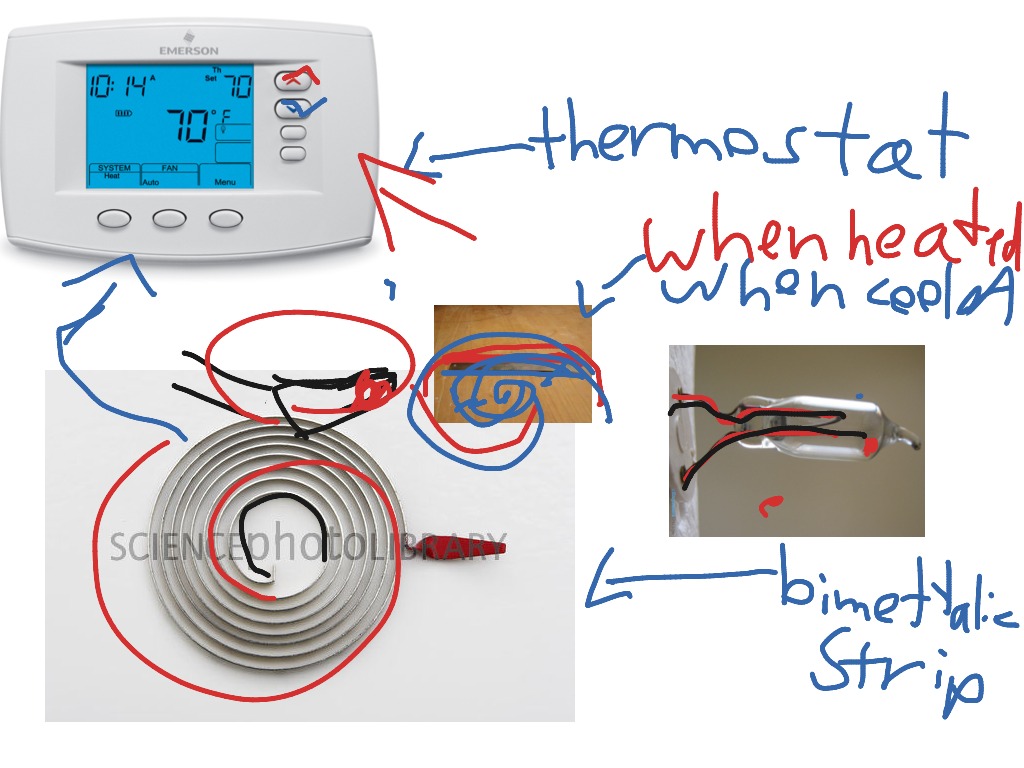
- Uneven heating and cooling: One room might be freezing while another is sweltering. It's like a meteorological civil war in your own home.
- Higher energy bills: Your HVAC system will be working overtime, trying to compensate for inaccurate readings. Your wallet will weep.
- General discomfort: No one likes being too hot or too cold. It can lead to crankiness, arguments over blanket privileges, and a general feeling of dissatisfaction.
Think of it this way: Would you trust a weather report from someone standing next to a bonfire? Probably not. Your thermostat needs a clear head (or sensor, in this case) to do its job properly.
Real-Life Thermostat Fails (We've All Been There!)
Let's be honest, we've all seen some thermostat atrocities. Like the one placed directly above a radiator (guaranteed to turn your house into a sauna). Or the one hiding behind a giant bookshelf (effectively creating a microclimate only it can experience).
My aunt once had a thermostat in her hallway, right next to the door to the unheated garage. In winter, her living room was practically a tropical rainforest because the thermostat was perpetually convinced it was living in Antarctica. We all had to wear short sleeves at Christmas. Good times (for the gnats, at least).
So, What Can You Do?
Take a look at your thermostat. Is it living its best life? If not, consider moving it to a more suitable location. It might involve a bit of rewiring (definitely call a professional for that!), but the payoff in comfort and energy savings will be worth it.
And remember, a happy thermostat means a happy home. Now go forth and create a temperate paradise! Just don't put it in the bathroom. Steam is not its friend.