
Where Does Oil And Gas Come From
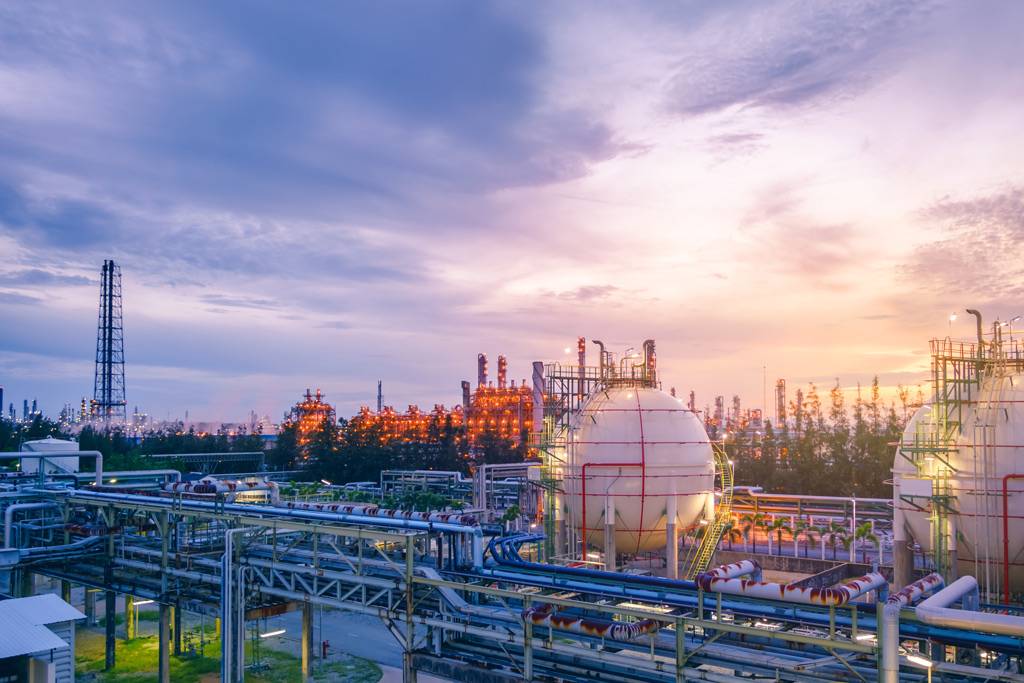
Alright, settle in, grab your imaginary coffee (or a real one, I’m not judging), because we’re about to dive deep into one of Earth’s most fascinating, and frankly, a bit gross, stories: where does oil and natural gas actually come from?
For centuries, folks pictured oil as some kind of primordial soup bubbling up from the planet’s core, or perhaps, the condensed tears of long-lost dinosaurs. While the dinosaur idea is certainly more dramatic and deserves an award for imaginative storytelling, the truth is far more… plankton-y.
The Great Ancestral Seafood Buffet
So, forget T-Rex. Our story begins not with roaring beasts, but with tiny, unassuming heroes of the ancient seas: microscopic marine organisms. We’re talking plankton, algae, bacteria – the ocean’s original, incredibly abundant, and somewhat slimy inhabitants. They were living their best lives, floating around, photosynthesizing, reproducing like crazy. And then, well, they died. A lot.
Must Read
Imagine, if you will, billions upon billions of these tiny creatures, having lived their full, planktonic lives, gently sinking to the bottom of the ocean. Not just for a day, or a year, but for millions and millions of years. It was like a never-ending, slow-motion snowstorm of organic matter. Talk about a population boom turning into a mass grave!
Nature's Very Slow-Cooker
Now, this isn't just any old pile of dead goo. This organic sludge, mixed with mud, sand, and other sediments, started to accumulate. Over epochs, more and more layers piled on top. We're talking kilometres of rock and dirt, pressing down. This is where the magic (and the immense pressure) really begins.

Think of it like this: Earth decided to make a really, really big, incredibly slow, and unimaginably deep lasagna. The organic matter is the filling, and the sediment layers are the pasta sheets. As more layers pile up, the pressure becomes immense. We're talking pressures that would turn you flatter than a pancake in a cartoon mishap.
And what happens when things get buried deep? They get hot. Geothermal heat, radiating from the Earth’s core, starts to bake our organic lasagna. We're not talking oven-hot, but rather a slow, steady simmer that lasts for eons. It’s like a geological slow-cooker, set to "low" for about 60 million years.
From Goo to Gold (Liquid Gold, Anyway)
Under this incredible pressure and heat, that original organic matter starts to change. It can’t just stay as dead plankton forever, can it? First, it transforms into something called kerogen. This is a waxy, insoluble organic material – basically, the halfway house on the road to becoming hydrocarbons.
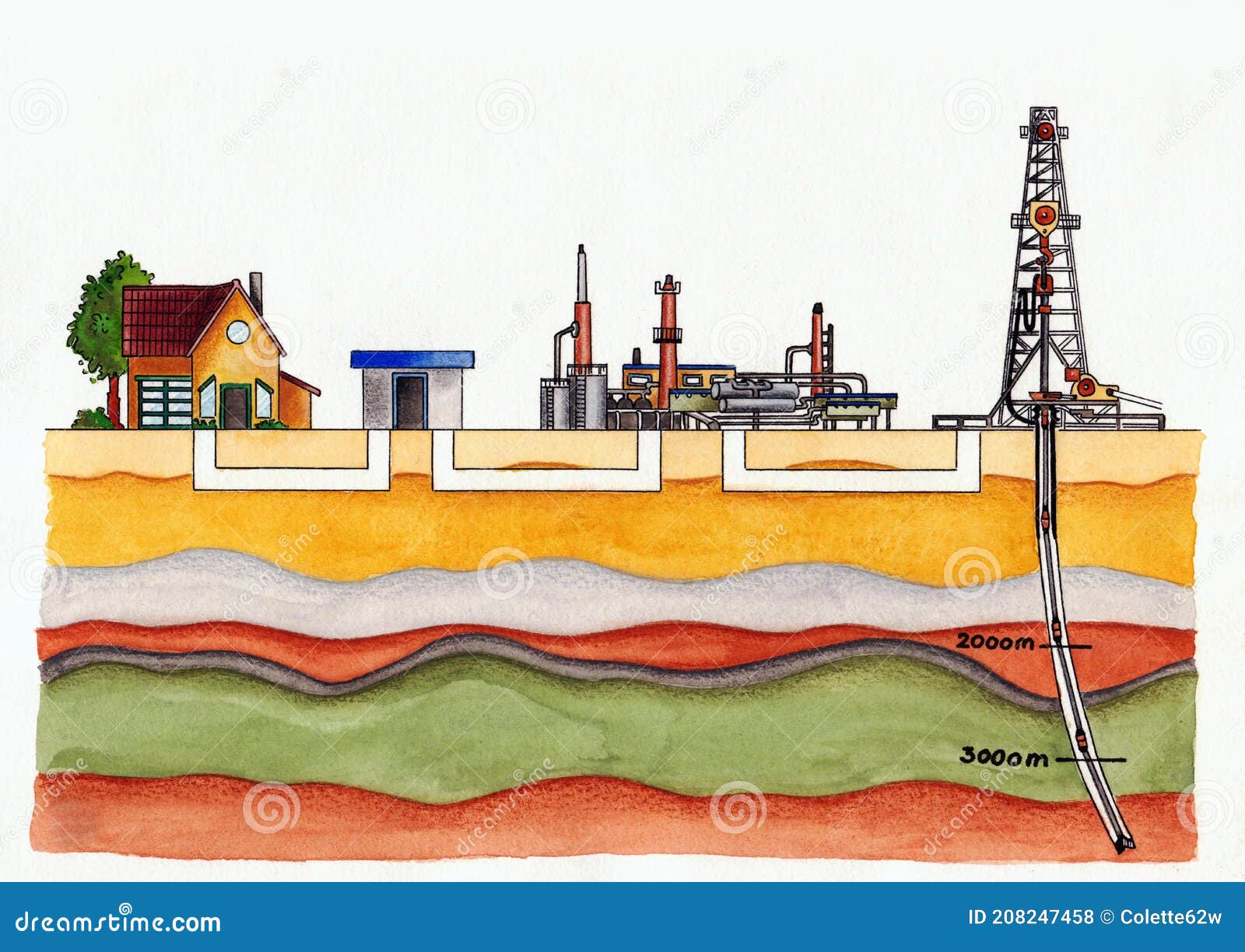
If our kerogen gets cooked just right – at temperatures between, say, 60 to 120 degrees Celsius (around 140 to 250 Fahrenheit) – it starts to break down. This is the sweet spot, the Goldilocks zone for oil formation. Too cool, and it stays kerogen. Too hot, and... well, we’ll get to that.
Over tens of millions of years, this geological cooking process literally cracks the long, complex organic molecules in kerogen into shorter, simpler hydrocarbon molecules. And voilà! You've got yourself crude oil. It’s a bit like turning a giant, complicated LEGO structure into smaller, individual LEGO bricks.
Gas: The Overcooked Cousin
What if the temperature keeps climbing? What if our geological slow-cooker gets a little too enthusiastic, pushing past 120 degrees Celsius, maybe up to 200 degrees (390 Fahrenheit) or even higher? If the kerogen, or even already-formed oil, gets cooked at these higher temperatures, the hydrocarbon molecules continue to break down, becoming even shorter and simpler. The result? Natural gas.
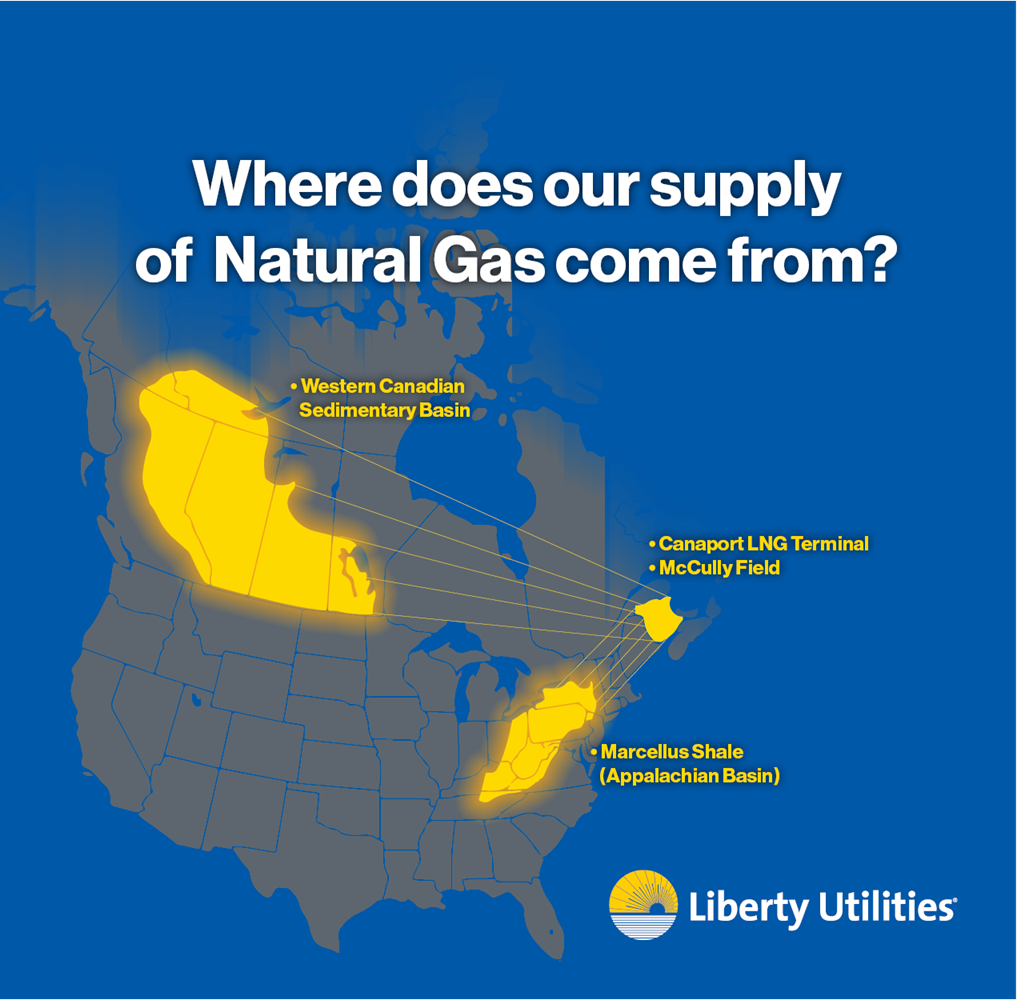
So, natural gas is essentially the "overcooked" version of oil, or rather, the outcome of organic matter being subjected to even more intense thermal cracking. It’s the difference between a perfectly roasted chicken and one that’s been in the oven for an extra four hours and is now just crispy carbon. (Okay, maybe not that extreme, but you get the idea!)
The Great Escape and the Hydrocarbon Hotel
Once formed, this oil and gas don’t just sit there in their source rock. They’re like energetic teenagers, looking for a way out! They're less dense than the surrounding rock and water, so they start to migrate, slowly oozing and seeping upwards through tiny pores and cracks in the rock formations.
But they can’t just escape to the surface willy-nilly. If they did, we wouldn’t have underground reservoirs, would we? This is where geology throws up a few roadblocks, or as we like to call them, geological traps. These are impermeable rock layers or structural formations (like anticlines, salt domes, or fault lines) that prevent the hydrocarbons from migrating further, trapping them in porous reservoir rocks beneath. Think of it as a fancy underground hotel where the oil and gas check in and can't check out.

These traps are what geologists spend their entire careers searching for. Without them, all that delicious, energy-rich goo would just leak out, evaporate, and diffuse into the atmosphere, making for a very unimpressive fuel source indeed.
The Takeaway: It’s All About Time and Tiny Things
So, the next time you fill up your car, or cook on a gas stove, take a moment to appreciate the incredible, unimaginably long journey that fuel has taken. It's not dinosaur tears (sadly). It's the ultimate, multi-million-year transformation of countless tiny marine organisms, subjected to Earth’s relentless pressure cooker and slow-roasting oven, all carefully contained in geological traps.
It’s a story of epic scale, mind-boggling patience, and frankly, a whole lot of dead plankton. And that, my friends, is where oil and natural gas really come from. Pretty wild, right?