
Where Does Most Of The Ocean Pollution Come From
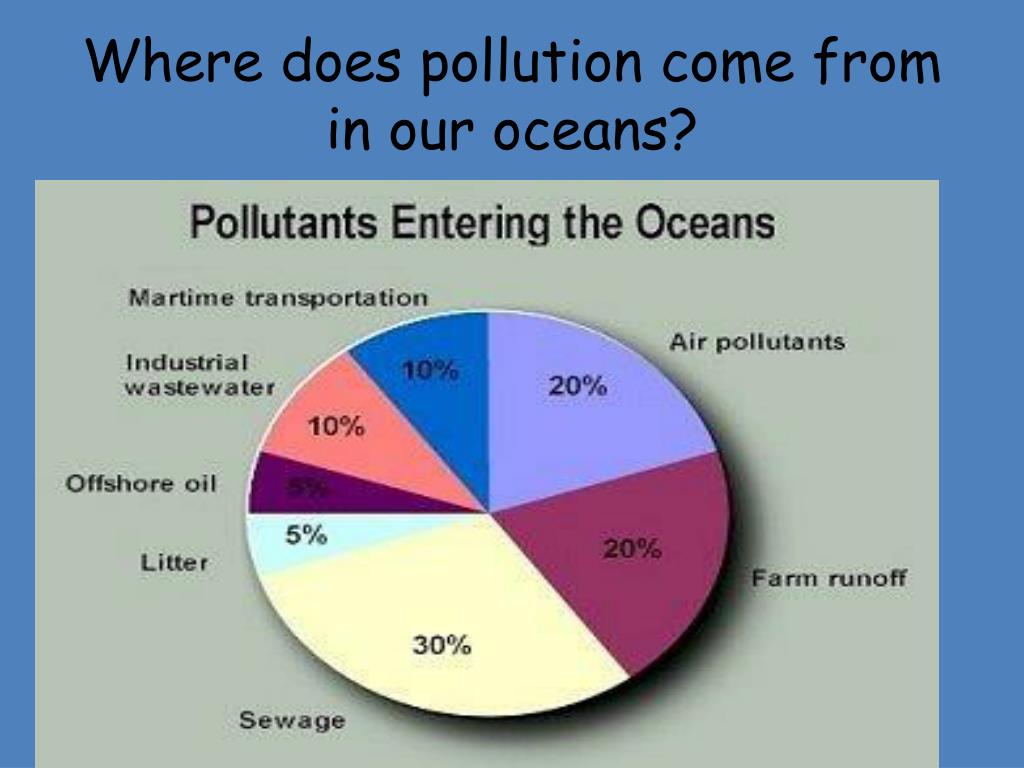
Okay, let's talk ocean pollution. Everyone’s got an opinion. But let’s be honest, some opinions are… well, maybe a little fishy.
The Usual Suspects
You always hear about the big baddies, right? Giant plastic islands swirling around like some trashy whirlpool. We picture evil corporations gleefully dumping chemicals.
And sure, industrial waste is a problem. No one's denying that. But is it really the whole story?
Must Read
The Plastic Peril
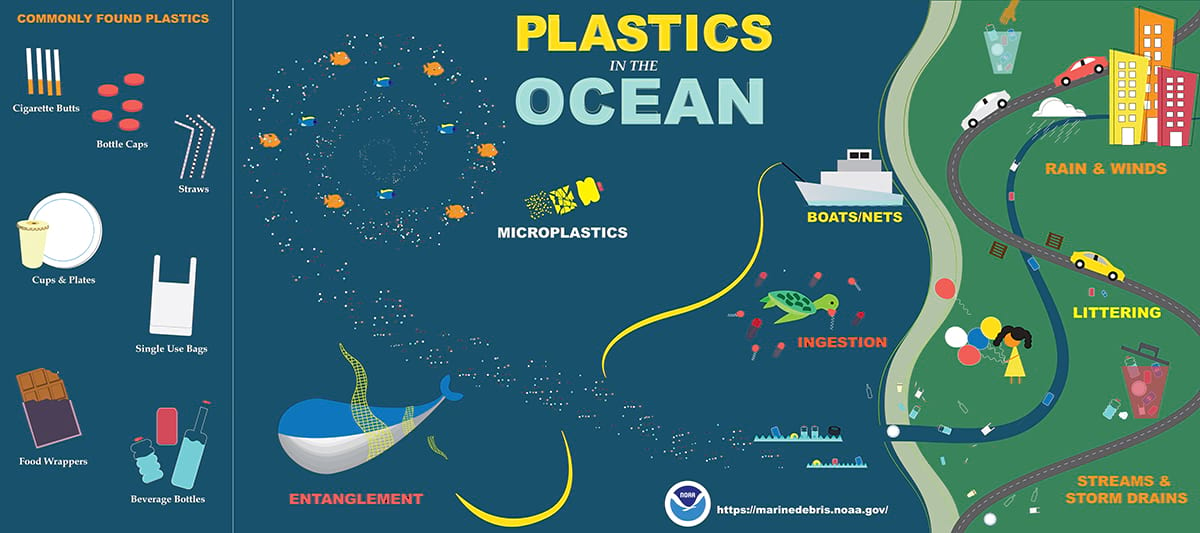
Plastic straws are PUBLIC ENEMY NUMBER ONE, according to the internet. They get ALL the blame. But think about it...
Are we really convinced a few straws are the main culprit? I mean, are we being a little dramatic?
I'm not saying plastic is great. Far from it. I just wonder if we're focusing on the small stuff while the big problems keep swimming past.
The Fishing Industry’s Dirty Secret
Now, here's where my "unpopular opinion" flag starts waving wildly. Ever thought about all that fishing gear lost at sea?
Nets, lines, traps… it's a whole underwater graveyard of synthetic materials. And it's not pretty.
That lost gear keeps fishing, by the way. It's called ghost fishing, and it's exactly as creepy as it sounds. Imagine nets silently capturing and killing marine life for years.
Think of the sheer scale of the fishing industry. Gigantic trawlers dragging massive nets. It’s a different ball game than someone accidentally dropping a plastic bottle.
The Agricultural Runoff River
Let's mosey on over to farmland. Picture fields of crops, glistening in the sun.

Except, what happens when it rains? All those fertilizers and pesticides wash away. And where do they end up? You guessed it: the ocean.
That's right folks: the good old agricultural nutrient runoff. Creating dead zones in the ocean, where nothing can survive.
It's not as visually dramatic as a pile of plastic. But the environmental impact is HUGE.
Our Everyday Habits
Okay, okay, I know what you're thinking. "But what about us? What about our daily lives?".
And you're right, we're all contributing. From the chemicals we use to clean our homes, to the microplastics that shed from our clothes in the washing machine.
Everything eventually heads downstream. Even our "clean" detergents.
So it's not just massive corporations, or careless fishermen, or farmers using fertilizers. It's a collective problem.
But I still think the scale of industrial fishing and agricultural runoff is vastly underestimated in the public conversation. It's easier to blame the plastic straw.
The Unseen Pollutants
There's stuff lurking in the ocean we barely even think about. I'm talking about heavy metals, pharmaceuticals, and other nasty chemicals.
These things don’t float around like plastic bottles. They dissolve, sink, and get absorbed by marine life. Yum!
And where do they come from? Factories, sewage treatment plants, and even our own medicine cabinets. It’s a cocktail of toxins that's quietly poisoning the ocean.
It's a silent threat. Not something you can Instagram.
Shipping Woes
Let's not forget about the shipping industry. Those giant cargo ships that crisscross the globe.
They contribute to pollution in a lot of ways. Oil spills, ballast water discharge, and even noise pollution.
The noise is particularly bad. It can disrupt marine animal communication and behavior. Imagine trying to find your family in a rave.
And speaking of oil spills: it only takes one accident to seriously damage marine ecosystems. Think of the poor sea otters.
The "Out of Sight, Out of Mind" Mentality
Maybe the biggest problem is that the ocean is… well, out of sight. We don't see the damage directly.
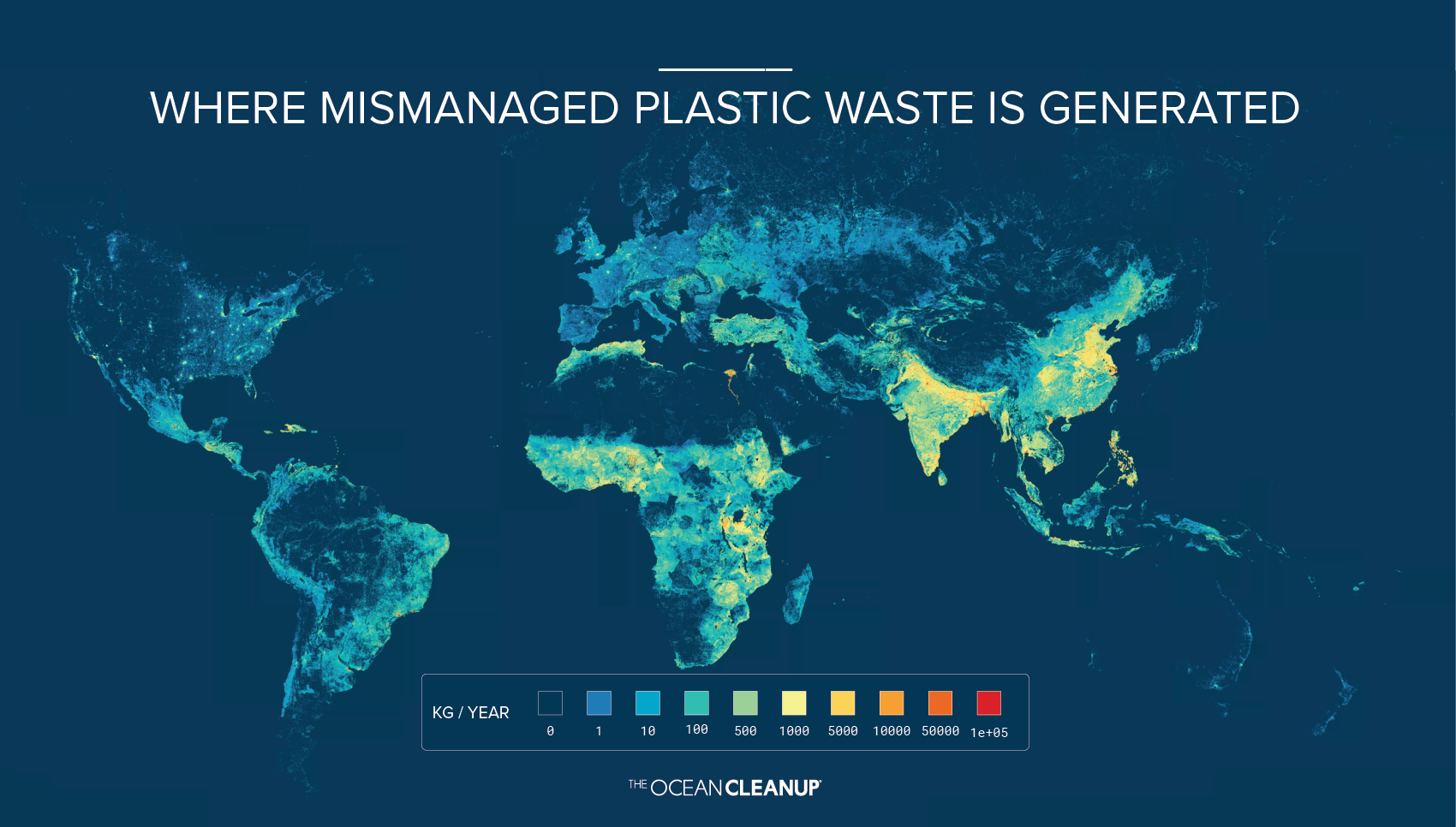
It's easier to ignore the problem when it's happening miles offshore. Or hundreds of feet below the surface.
We need to start connecting the dots. Realize that our actions have consequences, even if we can't see them.
Rethinking Our Priorities
So, where does most of the ocean pollution really come from?
It's a complex question with no easy answers. But I think it's time we started focusing on the bigger picture.
Let's hold major industries accountable. Demand stricter regulations. And support sustainable practices.
Maybe then, we can actually start making a real difference. And stop pretending like banning plastic straws is going to save the world.
Don’t get me wrong, small actions matter. But let’s not fool ourselves into thinking they are enough.
The Blame Game
Ultimately, pointing fingers doesn't solve anything. It requires a change in perspective.
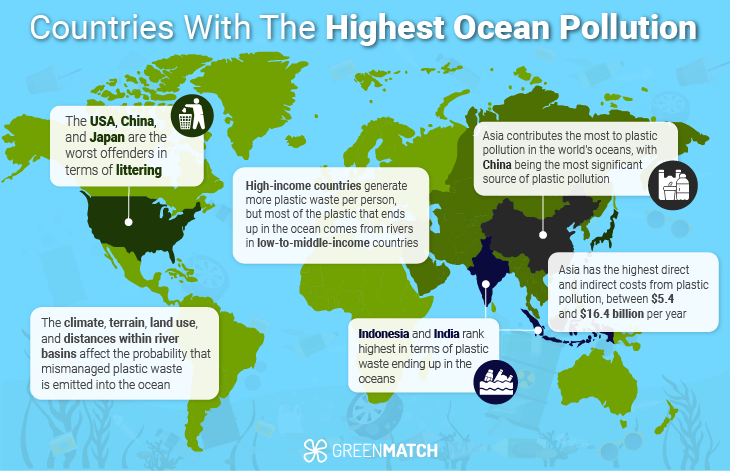
The ocean is a shared resource. We all have a responsibility to protect it.
It means consuming less, wasting less, and demanding more from the people and corporations who are doing the most damage.
It's a tough challenge, but we can handle it. Together.
What can we do about it?
I feel like it's important to provide something more tangible.
Support orgs that are pushing for industry level changes: reducing industrial waste and emissions.
Look at the labels on your goods: supporting sustainable practice helps to reinforce those behaviors with tangible financial reward.
Ultimately, it's about staying informed and thinking critically. Don't just believe everything you read online. (Especially from me!)
Instead, do your own research. Find out what's really happening. And then, take action.
Because the ocean is too important to ignore. Even if it's easier to just blame the plastic straw.