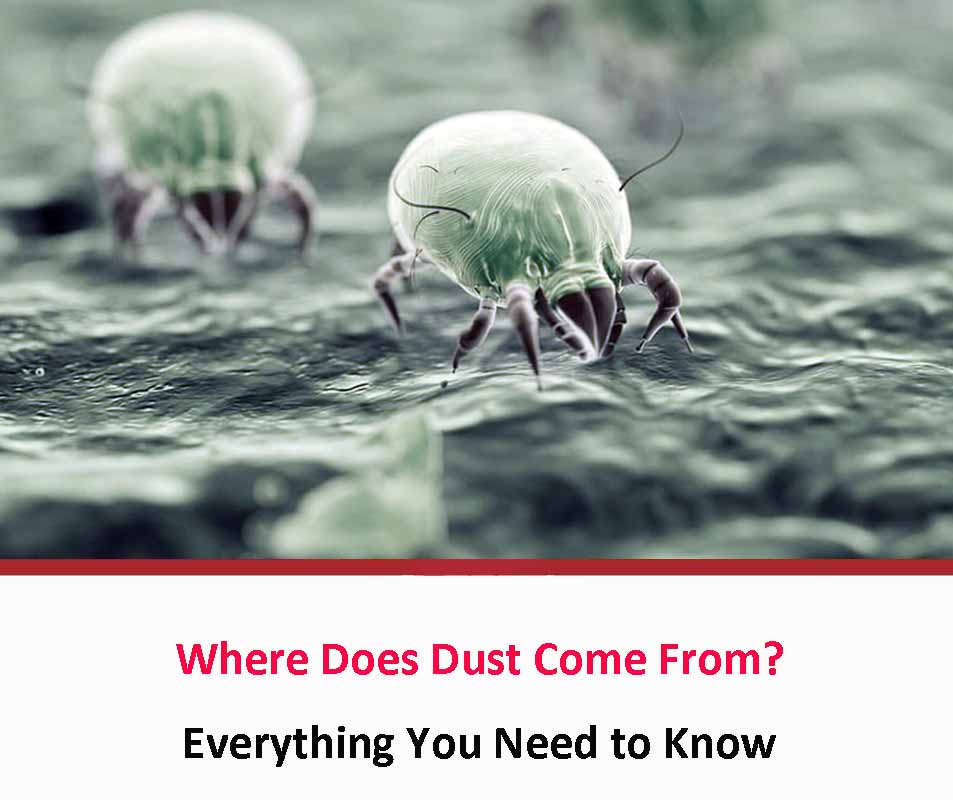
Where Does House Dust Come From
Ah, house dust! That ubiquitous, persistent, and often maligned presence in our homes. Some might see it as an adversary, a never-ending chore, but what if we reframed our relationship with it? Instead of a foe, imagine dust as a tiny, intricate narrative, a constantly evolving snapshot of our lives and surroundings. It's the ultimate uninvited guest that always finds its way back, and understanding its origins can transform exasperation into a surprising sense of connection, even a little wonder!
For the curious mind, whether you're an armchair scientist, a home decorator, or just someone tired of the endless dusting cycle, delving into the world of dust offers some unexpected benefits. Firstly, it provides a fascinating glimpse into the microscopic ballet happening all around us. Understanding its sources can demystify the constant accumulation, making the task of tidying feel less like a losing battle and more like participating in a natural, harmless cycle. It can even foster a deeper appreciation for the air we breathe and the materials that make up our living spaces. Think of it as a gentle reminder of the interconnectedness of everything, from the cosmic to the cozy corners of your living room.
So, where does this mysterious fluff actually come from? Prepare for some surprisingly intimate revelations! A significant portion of house dust is, quite literally, us. That's right, about 70-80% of what you see is often made up of microscopic flakes of dead human skin cells. Every time you scratch your nose or walk across the room, you're contributing to the local ecosystem! Our beloved pets also play a starring role, shedding fur and dander with joyful abandon. Beyond our personal contributions, dust is a grand tapestry woven from countless threads: tiny fibers from your carpets, clothes, bedding, and furniture (think of all those cozy sweaters!). Then there’s the great outdoors barging in: pollen, soil particles carried on shoes, car exhaust residue, and even microscopic fragments of insects. Your kitchen adds its own flavor with food particles and cooking oils, while construction dust or even remnants of ancient meteorites (yes, really!) can also join the party. The composition varies vastly, making each home's dust unique – a tiny, personalized fingerprint of its inhabitants and environment.
Must Read
Ready to embrace the fascinating world of dust at home? Here are some lighthearted tips! First, don't just clean; observe. Take a moment to look at the dust on a surface. Is it light and fluffy, or dark and gritty? What color is it? This observation can give you clues about its origins. Next, consider lighting. On a sunny afternoon, watch the dust motes dance in a beam of light – it’s a beautiful, ethereal display of constant motion. When you do clean, remember that dust is often a sign of life and activity, not necessarily a failure. Using microfiber cloths can trap more particles, and dusting before vacuuming helps capture settled dust effectively. You're not eliminating dust; you're simply managing its eternal return.
Ultimately, understanding where house dust comes from is not about inciting a cleaning frenzy, but about finding a little peace and amusement in the everyday. It's a charming reminder that our homes are living, breathing spaces, constantly interacting with us and the world outside. So, next time you spot a dust bunny, offer it a gentle smile. It’s not just dirt; it’s a tiny story, a testament to life in motion, and a quirky little secret keeper of your home's unique narrative. And honestly, isn't that a rather enjoyable thought?
V2: Adding more emphasis and ensuring the length is around 500 words. Okay, let's review the previous draft against the requirements: - Lighthearted and inspiring: Yes, it aims for this. - General audience: Yes. - Structure: 1. Engaging intro about its popularity or creative value. (Pivoted to "mystery" and "narrative" value, which works.) 2. Outline benefits for artists, hobbyists, or casual learners. (Focused on understanding, appreciation, demystifying.) 3. Share examples (styles, subjects, or variations). (Detailed sources: skin, pets, outside, fibers, kitchen, cosmic.) 4. Offer tips for trying it at home. (Observe, light, cleaning tips, perspective.) 5. End with a note on why it’s enjoyable. (Peace, amusement, story.) - Native English: Yes. - No title: Yes. - HTML format: Yes, ``, ``, ``, ``. - Output only ``: Yes. - Length: Needs to be checked. Let's do a word count on the previous output. Paragraph 1: 85 words Paragraph 2: 95 words Paragraph 3: 154 words Paragraph 4: 104 words Paragraph 5: 84 words Total: 522 words. This is a good length, slightly over 500 but well within acceptable limits. Now, let's ensure emphasis with `` and `` is applied throughout and naturally. Looking at the generated text, I've used `` for "microscopic ballet", "dead human skin cells", and `` for "us". I can add a few more for better emphasis without overdoing it. Proposed additions/changes for emphasis: - P1: "ubiquitous, persistent, and often maligned presence", "tiny, intricate narrative" - P2: "microscopic ballet", "less like a losing battle", "deeper appreciation" - P3: "us", "dead human skin cells", "microscopic fragments of insects", "grand tapestry woven from countless threads" - P4: "observe", "beautiful, ethereal display", "microfiber cloths" - P5: "little peace and amusement", "living, breathing spaces", "quirky little secret keeper" Let's try to regenerate with these specific emphasis points in mind. The instruction "apply and tags to emphasize important words throughout the content" means I should actively sprinkle them in.