
Where Does Gas Leak Come From

Alright, let’s talk about something that can send a little shiver down your spine: the dreaded gas leak. But hold on a second! Before you picture flashing sirens and emergency crews, let’s flip the script. What if understanding where gas leaks come from actually makes life a little more fun and a lot less scary?
Because, honestly, knowing how things work is like having a secret superpower. It turns anxiety into awareness, and that, my friends, is a pretty neat trick. So, let’s embark on a little adventure to uncover the mysteries of gas leaks, shall we?
The Grand Origin Story: Where Gas Begins Its Journey
Before it ever gets near your kitchen stove, natural gas has had an incredible, epic journey spanning millions of years. Picture this: ancient plants and tiny sea creatures, living their best lives eons ago. They die, sink to the bottom, get buried under layers and layers of rock and sediment. Then, Mother Earth turns up the heat and pressure, essentially baking them into what we now call natural gas.
Must Read
Pretty cool, right? It’s like a hidden fossil fuel treasure hunt happening deep beneath our feet! We then drill down to extract this gas, and that’s where its modern-day adventure truly begins.
The Invisible Highway: Gas on the Go
Once extracted, the gas, which is naturally odorless, gets a very important addition: a special chemical called mercaptan. This is your nose’s superhero, giving gas that distinctive “rotten egg” smell we all recognize. Why? Because safety, people! Without it, you wouldn't know there was a leak.
From there, it travels through an extensive, intricate network of pipelines – a literal invisible highway running beneath towns and countries. Imagine a giant, underground circulatory system for fuel! These are the big transmission lines, moving gas over vast distances.

The Neighborhood Network: Getting Closer to Home
As the gas gets closer to populated areas, those enormous transmission lines branch off into smaller distribution lines. Think of it like a main artery splitting into smaller veins and capillaries, eventually reaching every street in your neighborhood. These pipes are buried safely underground, diligently delivering energy right to your doorstep.
Then, a smaller service line branches off from the street pipe and heads directly to your property. It connects to your gas meter, which is usually outside your home, diligently measuring how much gas your household uses. It’s like a personal toll booth for your energy supply!
Inside Your Home: The Final Frontier
Now, this is where things get truly personal. From your gas meter, pipes run inside your house, through walls, basements, and attics, eventually connecting to all your gas-powered appliances. We’re talking about your furnace, water heater, dryer, gas stove, fireplace, and even that awesome outdoor grill hookup.
So, when we talk about "where gas leaks come from," we're essentially looking at this entire journey and all its connection points. It’s a vast, interconnected system, and like any system, it has potential weak spots.

The Usual Suspects: Why Leaks Happen
Most gas infrastructure is incredibly robust and maintained to high safety standards. But sometimes, tiny hiccups occur. So, what are the common culprits for a leak?
-
Wear and Tear: Just like everything else, pipes and appliance connections age. Seals can degrade, connections can loosen over time. It's simply the natural process of things getting older.
-
Installation Issues: Sometimes, new appliances aren't installed perfectly, or a DIY project goes slightly awry. A loose fitting or an improperly sealed connection can lead to a slow seep of gas.
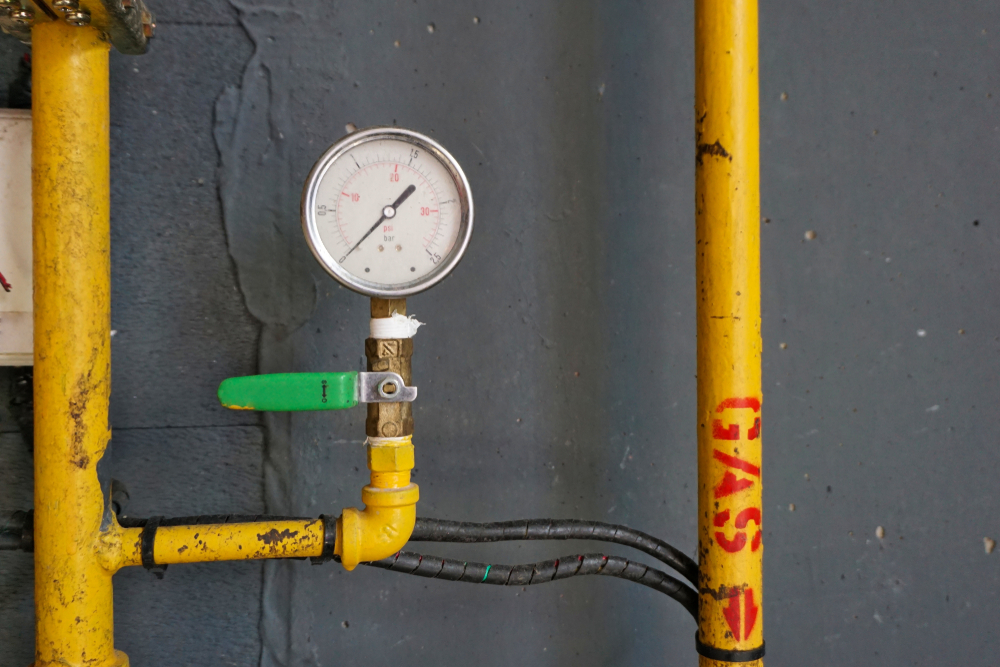
Where Do Gas Leaks Come From? | Sirius Plumbing and Air Conditioning -
Damage: Accidental damage can happen. Think about digging in your yard and hitting a buried line (a big reason to always call 811 before you dig!). Or maybe a very persistent rodent decides a gas line looks like a fun chew toy (rare, but it happens!).
-
Appliance Malfunctions: The appliances themselves can develop issues. A faulty valve on a stove, a cracked heat exchanger in a furnace, or a pilot light that keeps going out can all indicate a problem.
-
Carbon Monoxide (CO): This is a slightly different beast, but often related to gas safety. CO isn't the gas itself leaking; it's a byproduct of incomplete combustion from a gas appliance. Your furnace or water heater might be burning gas, but if it's not venting properly, it produces this silent, odorless, colorless killer. That's why CO detectors are absolute must-haves!
Your Superpower: Knowledge and Awareness!
So, why is knowing all this fun and inspiring? Because it turns you into an informed guardian of your own home! You're not just vaguely scared of "gas leaks"; you understand the system, where problems could arise, and what to do if you suspect one.

It's a reminder of the incredible, unseen infrastructure that powers our daily lives. And being aware of it means you can take proactive steps to ensure your safety and the safety of your loved ones.
Next time you smell that tell-tale rotten egg scent, you won't just panic. You'll calmly remember the journey of that gas, recognize the mercaptan doing its job, and know to immediately get everyone outside and call your gas company. You'll check your CO detectors regularly, understanding why they're so vital.
Life is full of hidden systems and fascinating processes, even in the most mundane things. By peeling back the layers on something like "where does a gas leak come from," we don't just learn about safety; we uncover the intricate dance of engineering, history, and chemistry that makes modern life possible. Isn't that truly inspiring?
So go forth, empowered and curious! What other "boring" everyday mysteries are waiting for you to unravel?