
Where Does Carbon Dioxide Come From Naturally
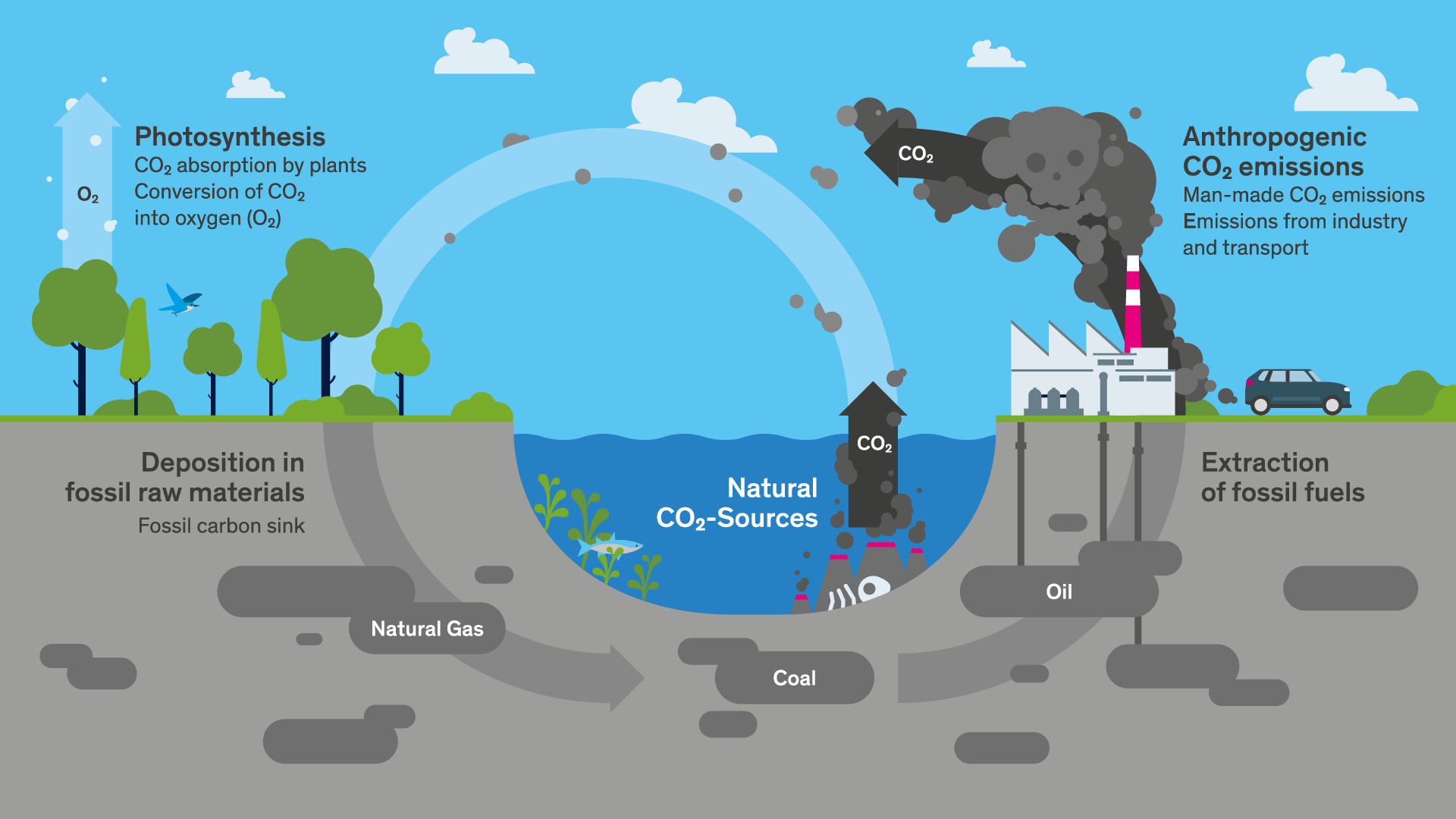
Okay, so picture this: I'm hiking in the woods, right? Gorgeous day, birds are chirping, feeling all zen. Then I start huffing and puffing going uphill (because let's be real, I'm not exactly a mountain goat). And I thought, "Wow, I'm exhaling a LOT of carbon dioxide right now." Which got me thinking... where does all that CO2 naturally come from anyway?
It's not just us sweaty hikers contributing to the global CO2 budget, people! Nature's been at this for, oh, a few billion years. Let's dive in!
Respiration: The Breath of Life (and Death)
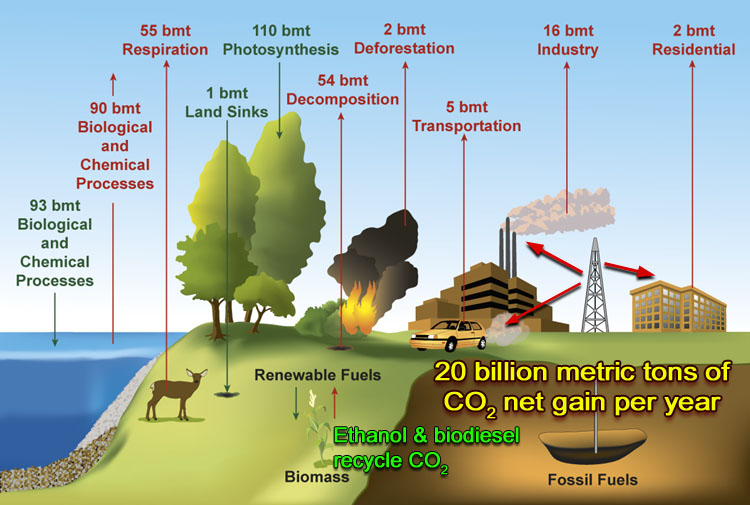
We'll start with the obvious: respiration. Not just our respiration, but the respiration of basically every living thing. Plants, animals, fungi, even those tiny microbes you can't see – they're all breathing (in a way) and releasing CO2.
Must Read
Think of it like this: they're eating sugars (or other energy sources) and breaking them down to get energy. CO2 is a byproduct of that process. Sort of like the exhaust from your car, except way more natural... and essential. Though, admittedly, sometimes my car feels pretty essential.
Important note: Yes, plants also absorb CO2 during photosynthesis. But they respire too! It's a whole balanced system. More on that later...
Decomposition: Nature's Recycler
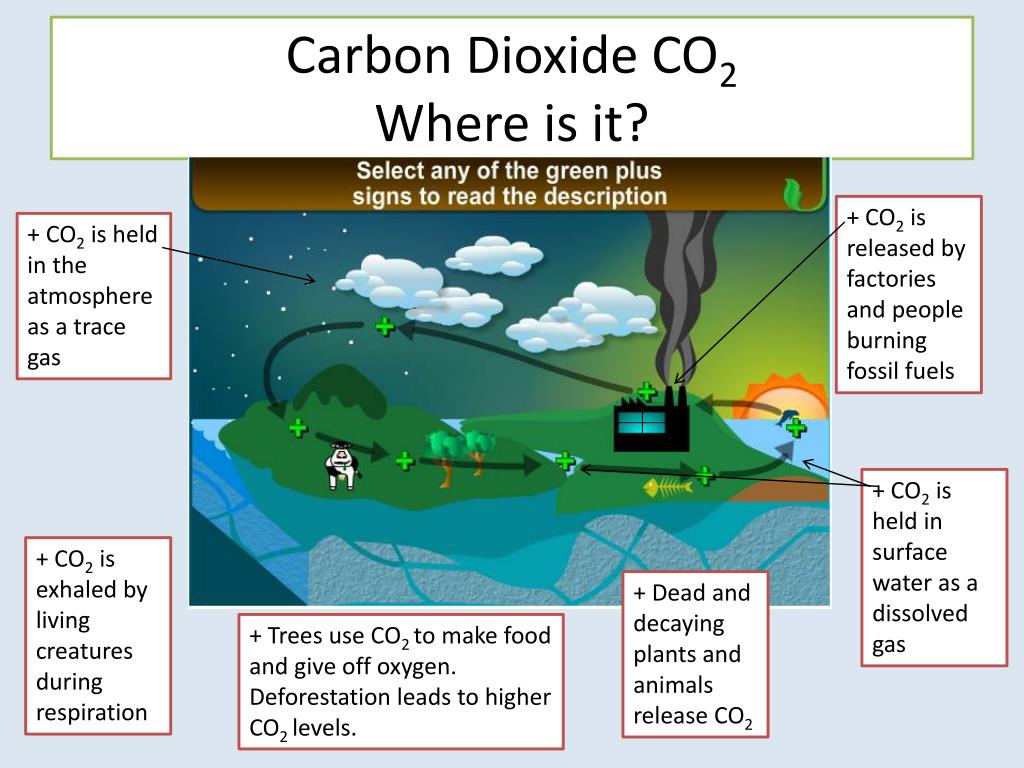
When things die (sorry to get morbid, but it's science!), they decompose. And what happens during decomposition? You guessed it: CO2 is released. Bacteria and fungi break down organic matter, turning it back into its basic components, and CO2 is one of those components.
Think of a fallen tree rotting in the forest. All that carbon that was stored in the wood? It's slowly being released back into the atmosphere as CO2. It's nature's way of recycling. Kinda beautiful, in a slightly creepy way.
Did you know that swamps and wetlands are major decomposition zones? They're like nature's composting bins! And they release a ton of methane, too, which is another greenhouse gas. But let's stick with CO2 for now. (We'll save methane for another article, maybe titled: "Burping Bogs and Climate Change.")
Volcanoes: Earth's Fiery Fountains
Okay, this one's a bit more dramatic. Volcanoes! When volcanoes erupt, they release all sorts of gases into the atmosphere, including (you guessed it!) carbon dioxide. This CO2 has been trapped underground for, in some cases, millions of years.
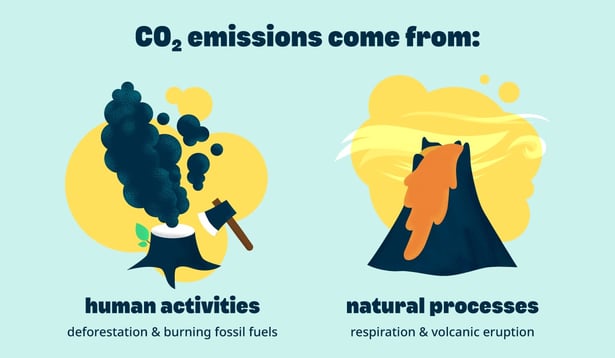
Now, volcanic eruptions are pretty spectacular events. But here's the thing: on average, volcanoes release way less CO2 than human activities. Like, orders of magnitude less. So, while they're a natural source, they're not the primary driver of climate change. Sorry, volcano enthusiasts!
Ocean Outgassing: The Sea's Sigh
The ocean is a huge reservoir of CO2. It absorbs a lot of CO2 from the atmosphere. But it also releases CO2 back into the atmosphere. This process is called outgassing.
The amount of CO2 the ocean absorbs or releases depends on a lot of factors, like temperature, salinity, and biological activity. Warmer water, for example, holds less CO2 than colder water. So, as the ocean warms due to climate change, it's likely to release more CO2, creating a feedback loop. Yikes.
Ever notice how fizzy drinks lose their fizz when they get warm? It's the same principle! The CO2 is escaping. Except, you know, on a global scale. No pressure.
Rock Weathering: A Slow and Steady Release
This one's a bit more subtle. Rocks, over long periods of time, can weather and erode. This process can release CO2, especially from rocks like limestone.
Rainwater, which is naturally slightly acidic, can dissolve these rocks, releasing the trapped carbon as CO2. It's a super slow process, taking thousands or even millions of years. But over geological timescales, it's a significant source of CO2.

Think about those cool caves you see formed in limestone. That's weathering in action! And that weathering is releasing CO2 (albeit very slowly).
The Big Picture: Natural vs. Human-Caused CO2
So, there you have it: a whirlwind tour of the natural sources of carbon dioxide. Respiration, decomposition, volcanoes, ocean outgassing, rock weathering... nature's been doing this for ages.
However, and this is a big however, the amount of CO2 that humans are releasing through burning fossil fuels is way higher than the natural sources. We're essentially digging up carbon that was stored underground for millions of years and releasing it into the atmosphere at an unprecedented rate. That's what's causing the problem. So, while nature has its own ways of releasing CO2, it's our actions that are really throwing the system out of whack.
Next time you're hiking and huffing and puffing, remember that you're part of a natural cycle. But also remember that we have a responsibility to reduce our carbon footprint and protect our planet. Because, you know, we kinda need it. And the birds. And the trees. And even those tiny microbes.