
Where Do You Place Carbon Monoxide Detector
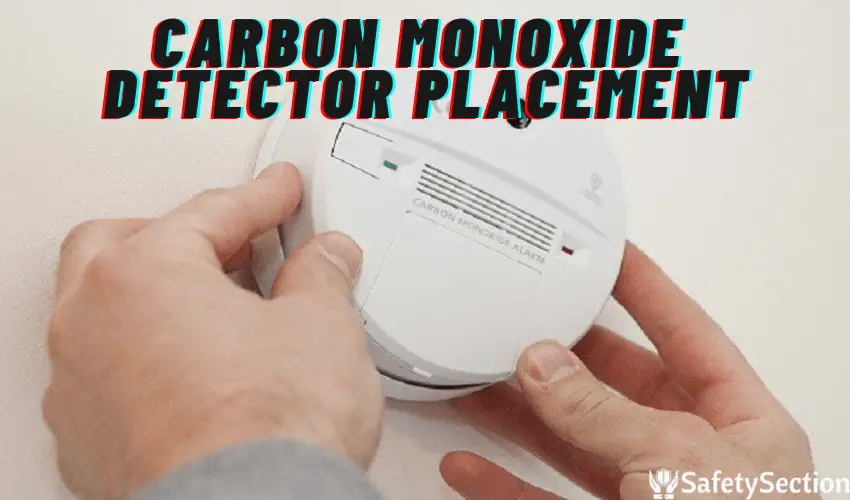
Alright, gather 'round, folks! Pull up a comfy chair, grab your imaginary latte, because we're about to delve into a topic that's less "thriller novel" and more "silent, invisible, potentially fatal houseguest." Yes, we're talking about carbon monoxide, or as I like to call it, CO: The Ninja Gas. And more importantly, where to stick those little plastic heroes, the carbon monoxide detectors, to keep it from pulling a fast one on you.
Now, CO isn't like your messy cousin who leaves pizza boxes everywhere. Oh no. CO is the ultimate stealth villain. It's odorless, tasteless, and completely invisible. It doesn't even have a catchy theme song. It just silently creeps in, replaces the oxygen in your blood, and before you know it, you're feeling flu-ish and confused, which, let's be honest, is how I feel most Monday mornings anyway. But this confusion can be deadly. So, how do we outsmart this gaseous ghost? With a trusty detector, of course! But where, oh where, do we place these watchful guardians?
The Invisible Intruder: Carbon Monoxide (CO)
Before we play interior decorator with our detectors, let’s quickly reiterate why this gas is such a rude dude. It comes from incomplete combustion – think furnaces, water heaters, gas stoves, fireplaces, cars idling in attached garages. Basically, anything that burns fuel can spit out CO. And because it's so sneaky, our natural senses are useless. You won't smell it. You won't see it. You won't taste it. Your only warning is your detector's piercing shriek, which is infinitely preferable to, you know, not having a warning.
Must Read
And here's a crucial distinction: a carbon monoxide detector is NOT a smoke detector. They're like Batman and Superman – both heroes, both fighting bad guys, but with entirely different powers and methods. Don't rely on your smoke alarm to catch CO. It's got other fish to fry (sometimes literally, if you're like me in the kitchen).
Rule #1: The Sleep Zones – Your First Line of Defense
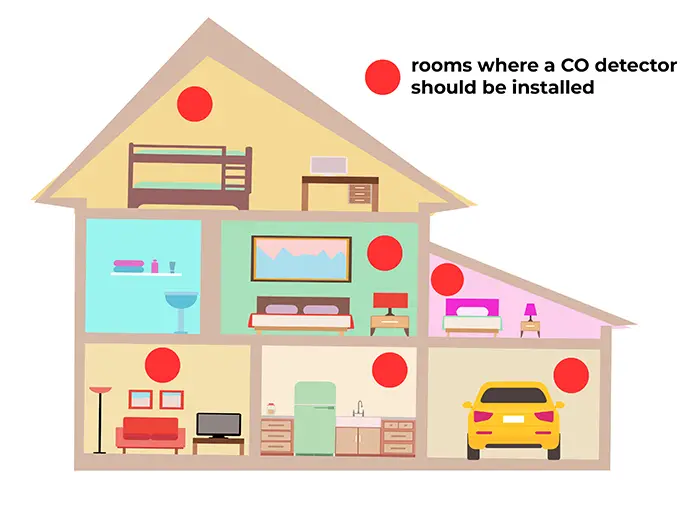
This is arguably the most important rule, so if you only remember one thing from this entire café chat, make it this: put a CO detector near sleeping areas.
Why? Because when you're sawing logs, you're most vulnerable. You're not going to notice those subtle flu-like symptoms. You're not going to feel dizzy or lightheaded. You're just going to… sleep. Potentially forever. Yikes! So, install one inside or directly outside every sleeping area. Think of it as a personal bodyguard for your slumber. If CO tries to creep in while you're dreaming of puppies and rainbows, this little hero will scream bloody murder.

Rule #2: Every Level, No Exceptions
CO isn't prejudiced against basements or fussy about attic conversions. It can infiltrate any part of your home where combustion appliances are (or even just travel from the attached garage). So, the next rule is simple: install a carbon monoxide detector on every level of your home.
Yes, that includes the basement, the main floor, and the upstairs. If you've got an attached garage, definitely one near the entrance to the house from there. CO is notoriously fickle about how it moves. Sometimes it rises, sometimes it mixes. Don't play guessing games with your family's safety. Treat your house like a multi-story fortress, and arm each floor with a CO sentinel.
Rule #3: The "Goldilocks Zone" Near Appliances
Okay, so you've got them near your bedrooms and on every floor. Now, what about near the actual culprits – your fuel-burning appliances? This is where we need to find the "Goldilocks Zone" – not too close, not too far, but just right.

You might think, "Aha! I'll put it right next to the furnace!" Hold your horses there, speedy. Placing a detector too close to a combustion appliance (like a furnace, water heater, or even a gas stove) can lead to nuisance alarms. A brief puff of CO might be released when your furnace kicks on, or when you briefly start your car in the garage, which isn't necessarily dangerous, but it'll make your detector cry wolf. And nobody likes a constantly whiny detector.
Instead, aim for a sweet spot: 15 to 20 feet away from potential CO sources. This gives the gas a chance to disperse slightly if it's just a harmless puff, but still ensures it's detected if there's a serious leak. Think of it as giving your detector a good vantage point, not a front-row seat to every little hiccup.
Height Matters (But Not as Much as You Think!)
There's an old wives' tale that CO always rises. While it's slightly lighter than air at room temperature, it actually mixes readily with air. So, don't get too bogged down in the "should it be on the ceiling or near the floor?" debate. The most important thing is to have them, and in the right general locations.
However, for optimal detection, a good general rule of thumb for wall-mounted units is to place them at chest height to head height. If you have a combo smoke/CO detector, those usually go on the ceiling, just like smoke detectors. But honestly, when in doubt, just follow the manufacturer's instructions. They designed the darn thing; they know best! Some plug into outlets low on the wall, and that's perfectly fine if the manual says so. Just make sure it's not tucked behind the couch where no one will ever hear it.
Where NOT to Put Them: The Danger Zones
Just as there are good spots, there are definite no-go areas for your CO detectors:
- Direct sunlight or near heat sources: This can mess with the sensor. Think of it like trying to read a book with a spotlight in your eyes.
- Near vents, fans, or open windows: Drafts can dilute the CO or blow it away from the sensor, delaying detection.
- In dead air spaces: Tucked into a tight corner, for example. CO needs to be able to reach the sensor effectively.
- Underneath kitchen cabinets or near cooking appliances: Steam and grease can damage the sensor or cause false alarms.
- In garages or furnace rooms: Again, too close to the source can lead to nuisance alarms from non-threatening levels of CO.
Basically, don't make it harder for your detector to do its job. Give it a clear shot at the air, away from environmental interference.

The Lifespan of a Silent Guardian
Remember, these little heroes don't last forever. Their sensors degrade over time. Most carbon monoxide detectors have a lifespan of 5 to 7 years. There should be an expiration date on the back of the unit. Mark it on your calendar, set a reminder on your phone, tattoo it on your forehead – just make sure you replace them when they expire! They're like secret agents whose mission eventually ends.
And don't forget to test them regularly – usually once a month – by pressing the "test" button. If it doesn't chirp, or if it complains about its battery, replace it immediately. You wouldn't send a superhero into battle with a dead phone, would you?
Final Thoughts: Be a CO Smarty-Pants
So, there you have it! The low-down on getting those crucial carbon monoxide detectors in the right places. To recap: near all sleeping areas, on every level of your home, and about 15-20 feet away from fuel-burning appliances. Avoid the no-go zones, check the expiration date, and test them regularly. It’s a relatively small, inexpensive investment that offers massive peace of mind.
Go forth, my friends, and be the CO-savvy homeowner you were always meant to be! Your lungs (and your continued existence) will thank you. Now, who's up for another imaginary latte?