
Where Do You Get Electricity From
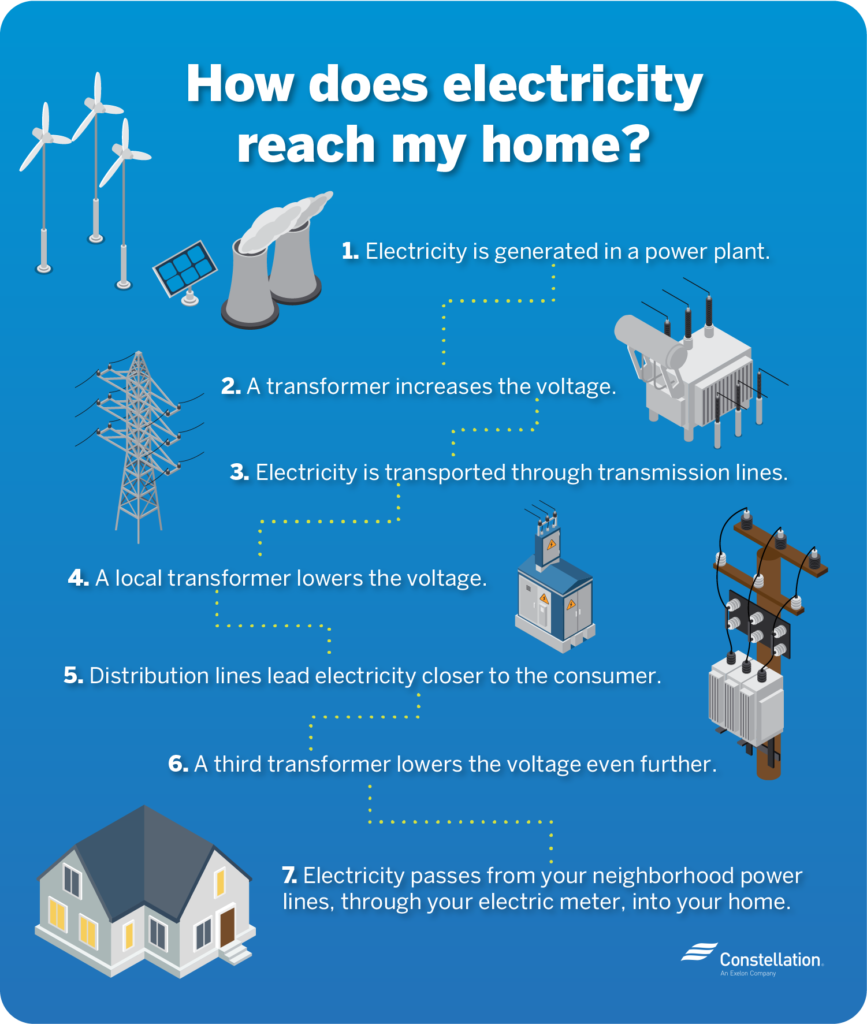
Ever flick a light switch and just expect the lights to come on? Of course you do! We all do. Electricity is everywhere, powering our phones, keeping our food cold, and making our favorite shows appear on screen. It’s like a magical, invisible helper that makes modern life tick. But have you ever stopped to wonder, even for a second, where all that amazing power actually comes from? It’s not just plucked out of thin air, though sometimes it feels like it!
Thinking about where electricity originates is surprisingly fun, like uncovering a secret behind a spectacular magic trick. It's a journey from massive power plants to microscopic particles, all working together to bring that spark to your socket. So, let's pull back the curtain and peek behind the scenes of this incredible everyday wonder!
The Big Boilers: Burning Our Way to Power
One of the oldest and most common ways we make electricity involves a bit of old-fashioned fire. We’re talking about burning things like coal, natural gas, and oil. Think of a giant, super-efficient bonfire that heats up water until it turns into powerful steam. This steam then pushes massive turbines – imagine enormous spinning tops – that are connected to generators. When these generators spin, voilà! Electricity is born.
Must Read
It’s like boiling a kettle, but on a superhero scale, turning everyday fuel into instant energy!
It's a straightforward process, converting the stored energy from ancient plants and creatures (that’s what fossil fuels are!) into the electricity we use today. These plants are often huge, humming with activity, a testament to human ingenuity in harnessing raw power.
The Tiny Powerhouses: Splitting Atoms for Sparks
Now, for something a bit more futuristic: nuclear power. This method doesn't burn anything in the traditional sense. Instead, it uses a process called nuclear fission, where tiny atoms, usually uranium, are split apart. When they split, they release an incredible amount of heat. This heat, just like with fossil fuels, boils water to create steam, which then spins those same hardworking turbines and generators. It's a bit like a super-concentrated energy source, packing a huge punch from a very small amount of fuel.
Imagine getting enough power for a whole city from just a handful of special pebbles. That’s the magic of nuclear energy!
It's a powerful and efficient way to make electricity, and the science behind it is truly fascinating, showcasing how we can unlock energy from the very building blocks of matter.
Nature's Spin Cycle: Renewable Wonders
This is where things get really exciting and often quite beautiful. Renewable energy sources tap into the never-ending power of our planet. They don't run out, and they're usually much kinder to the Earth.
Sunshine Power: Catching Rays
First up, solar power! This is perhaps the easiest to understand. Giant panels, often on rooftops or in vast fields, simply catch sunlight. These photovoltaic cells convert the sun's rays directly into electricity. It’s clean, quiet, and directly from the brightest star in our sky. On a sunny day, your house could be running purely on the power of the sun – how cool is that?
Think of your own personal power plant, soaking up sunshine like a lizard on a warm rock!
Wind Whisperers: Giant Pinwheels
Then there's wind power. Have you ever seen those enormous, elegant wind turbines with their massive blades gracefully slicing through the air? They're not just pretty sculptures; they’re harnessing the power of the wind. As the wind pushes the blades, they spin a generator, making electricity. It’s like a super-sized pinwheel creating power with every gust. Imagine the sheer force of nature being tamed to light up your home!
Water's Might: Falling and Flowing
Don't forget hydropower! This method uses the force of flowing or falling water to spin turbines. Think of massive dams holding back huge reservoirs. When water is released, it rushes down, turning those generators with incredible power. It's a bit like a giant watermill, but on an epic scale, generating a constant flow of clean energy. The sheer might of water is truly harnessed here, offering reliable power.
Earth's Embrace: Hidden Heat
And for something a little more mysterious: geothermal energy. Deep beneath our feet, the Earth is incredibly hot. In some places, we can tap into this natural heat, using steam or hot water from underground reservoirs to spin turbines. It’s like plugging into the planet’s own internal furnace – literally drawing power from the Earth's fiery heart!
Green Burn: Biomass
Finally, there's biomass. This is a bit like the fossil fuel plants, but instead of ancient fuels, it burns organic materials like wood, agricultural waste, or even garbage. It’s a way of using things that would otherwise be discarded, giving them a second life as electricity producers, often considered carbon neutral as the plants absorb CO2 as they grow.
The Invisible Highways: Getting Power to You
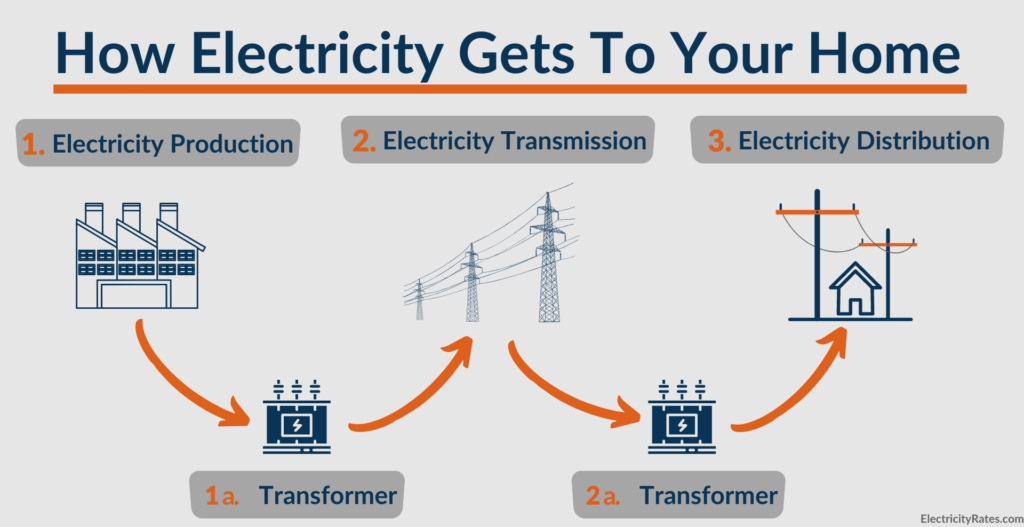
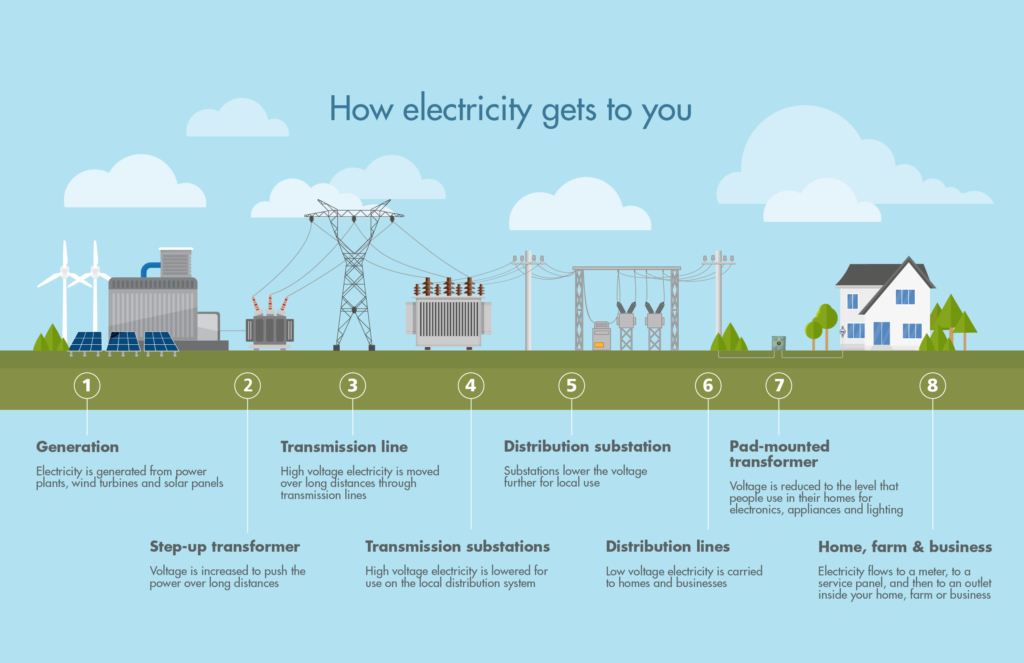
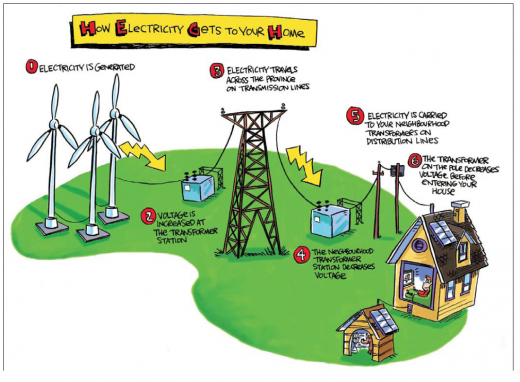
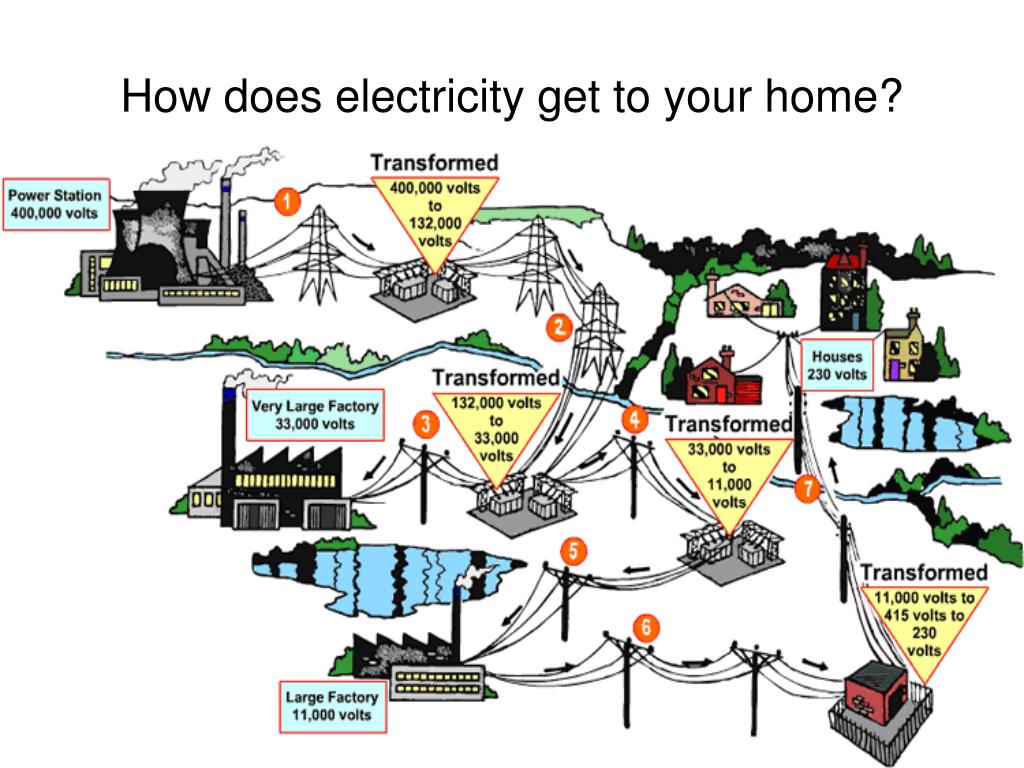
No matter where it comes from – be it burning fuels, splitting atoms, or harnessing nature’s forces – almost all electricity is created by spinning a generator. This generates a flow of tiny, energetic particles called electrons. Once made, it travels through an amazing, complex network of wires and transformers called the electrical grid. This grid is the invisible highway system that efficiently delivers power, sometimes hundreds of miles, right to your doorstep, ready for that next light switch flick.
It’s an unseen ballet of wires and towers, ensuring that power is always there, waiting for your command.
So, the next time you plug in your phone or enjoy a brightly lit room, take a moment to appreciate the incredible journey that electricity has made. From the sun's rays to the depths of the Earth, from ancient forests to rushing rivers, countless processes and ingenious technologies are working tirelessly to bring you that instant spark. It's a silent, everyday miracle, and understanding its origins makes it even more extraordinary. Pretty cool, right?