Where Do You Find Fossil Fuels

Ever wondered where the energy that powers our homes and cars actually comes from? It's a question that delves deep into Earth's history, spanning millions of years and involving incredible geological processes. Learning about fossil fuels isn't just a science lesson; it's like a fascinating detective story, uncovering clues from ancient swamps and oceans. It helps us understand not only our energy sources but also the incredible, dynamic planet we live on. It's a topic that's both immensely useful for understanding our modern world and surprisingly fun for anyone with a curious mind!
So, who benefits from exploring this ancient journey? For beginners, it's a fantastic introduction to geology and the concept of natural resources. You'll grasp how something as commonplace as a lump of coal began as a thriving forest. Families can turn it into an engaging educational adventure, sparking conversations about energy conservation and the environment. Imagine discussing how the gas in your car could be from ancient sea creatures! Even hobbyists, particularly those interested in Earth sciences, history, or industrial development, will find a deeper appreciation for the landscapes around them and the immense engineering feats involved in extracting these vital resources.
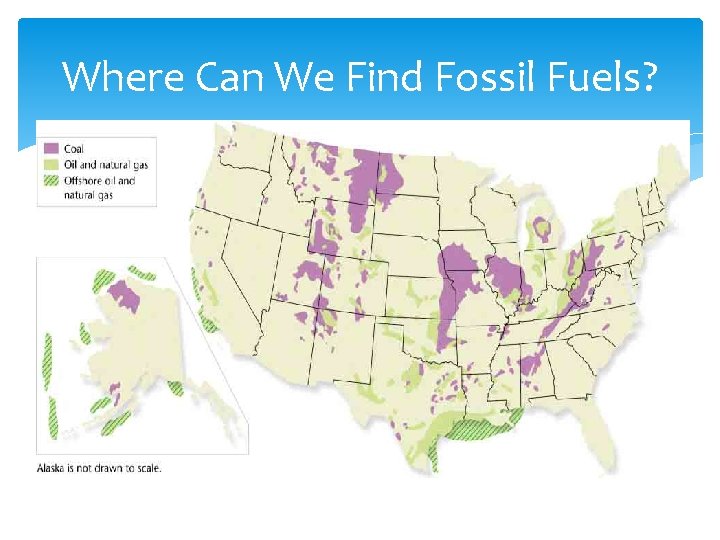
When we talk about "finding" fossil fuels, it's important to remember these aren't typically things you'd stumble upon in your backyard (unless you live over a very special kind of deposit!). The main players are coal, oil, and natural gas, each with its own incredible origin story. Coal, for instance, comes from vast ancient swamps where plant matter accumulated, got buried, and was compressed over eons into the solid black rock we know. You can often find coal in sedimentary basins, sometimes even exposed in riverbanks or cliffs in historically mined regions. Oil and natural gas, on the other hand, usually form from tiny marine organisms that settled to the ocean floor, got buried under layers of sediment, and transformed under intense heat and pressure. These are typically found deep underground, trapped within porous rock formations like sandstone or limestone, often miles beneath the surface. Occasionally, you might hear about natural seeps, like the famous La Brea Tar Pits, where oil slowly oozes to the surface—a rare, natural glimpse into these buried treasures!
Must Read
Ready to start your own journey of discovery? While we can't recommend digging for oil, there are plenty of simple, practical ways to "find" fossil fuels in a learning sense. First, visit a local natural history or science museum; many have fantastic exhibits on geology and energy. Look at detailed geological maps of your region online—they often highlight areas rich in specific rock types or even old mining sites. Watch documentaries about the formation of Earth or the process of oil drilling and coal mining; they offer incredible visual insights. If you live near an old coal mining area, consider visiting a historical site or museum that explains its past; you might even see exposed coal seams. Most importantly, start by observing the world around you and asking questions about where things come from. Every time you turn on a light or fill up your car, you're interacting with the legacy of ancient life.
Understanding where fossil fuels come from is a journey into the immense scale of geological time and the powerful forces that shape our planet. It brings a new layer of appreciation for both our energy resources and the incredible history written in the rocks beneath our feet. So, go ahead, explore this fascinating topic – you'll be amazed at what you discover!