
Where Do You Buy Natural Gas

Ever wonder about the invisible stuff that powers so much of our daily lives? We’re talking about natural gas. It heats our homes, warms our water, and cooks our food. It’s always there, ready when we need it, but have you ever stopped to think: where do you actually buy natural gas?
It’s not like popping down to the grocery store for a gallon of milk, right? You can’t just walk in and ask for a tank of pure methane. So, let’s pull back the curtain on this surprisingly cool and complex world.
The Obvious Answer (and Why It's Not the Whole Story)
Your first thought might be, "Duh! I buy it from my utility company!" And you’d be absolutely right. Every month, you get a bill from your local gas company – let’s call them "GasFlow Inc." – and you pay for the natural gas you’ve used. Easy peasy, right?
Must Read
But here’s where it gets interesting: GasFlow Inc. doesn't just conjure natural gas out of thin air. They have to get it from somewhere too. Think of them like the final stop on a very long, very intricate supply chain. They’re the friendly neighborhood store, but who’s their wholesaler? And who’s that wholesaler’s supplier?
Stepping into the Big League: The Wholesale Market
Imagine a giant, global stock exchange, but instead of company shares, they're trading... well, natural gas! This is the wholesale market, and it’s where the magic really happens. Here, huge quantities of natural gas are bought and sold long before they ever reach your home. We're talking billions of cubic feet, not just enough to heat your bathtub.
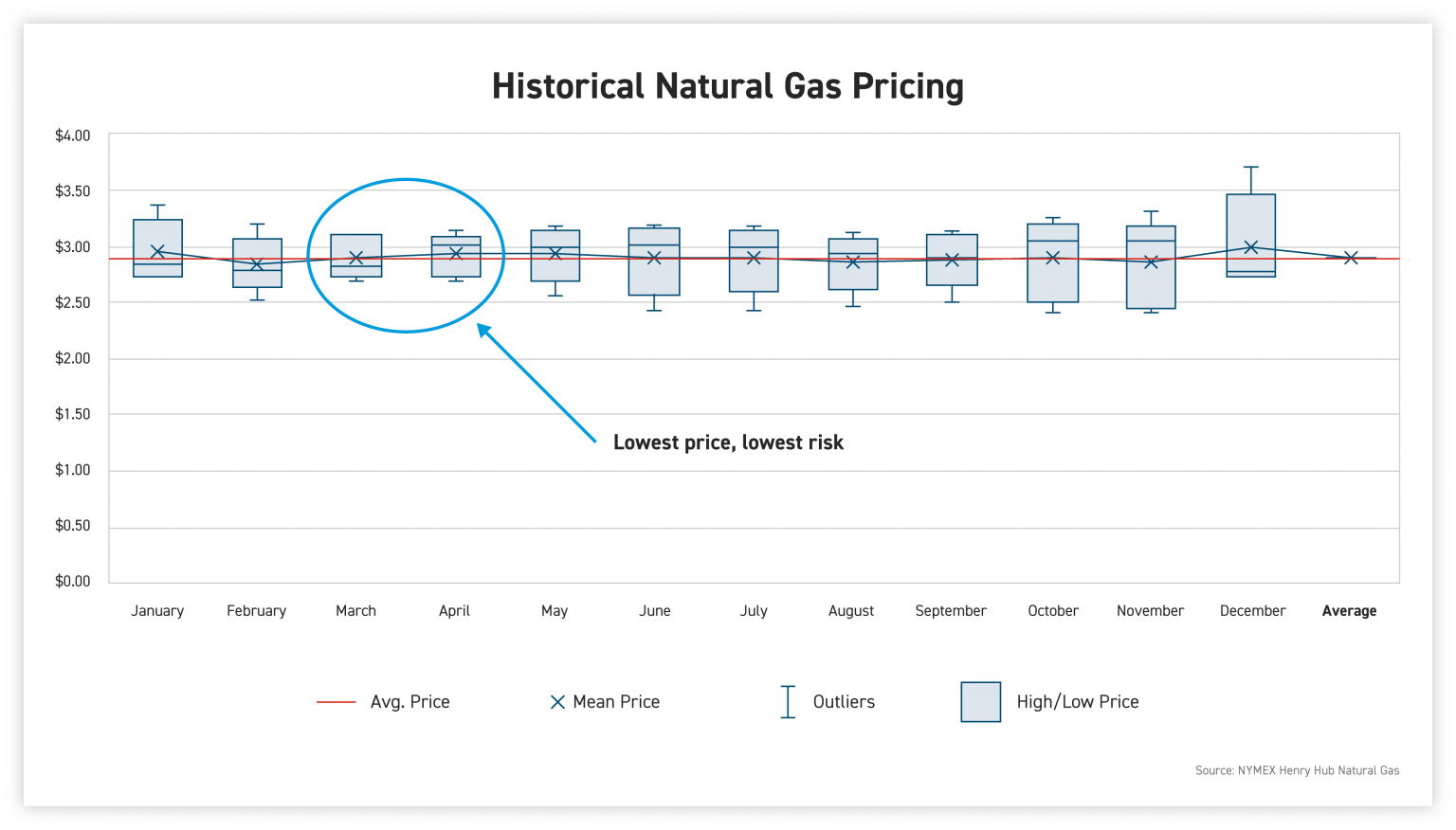
It's a place where big energy companies, financial traders, and yes, even your local utility company, all come to play. They buy and sell "futures contracts" – agreements to buy or sell natural gas at a certain price on a future date. It’s a bustling, high-stakes game that determines the underlying price of the energy we use every day.
The Incredible Journey: From Earth to Ember
So, before it even hits the trading floor, where does natural gas actually come from? Let’s trace its remarkable journey:
1. The Producers: Digging It Up (or Out!)
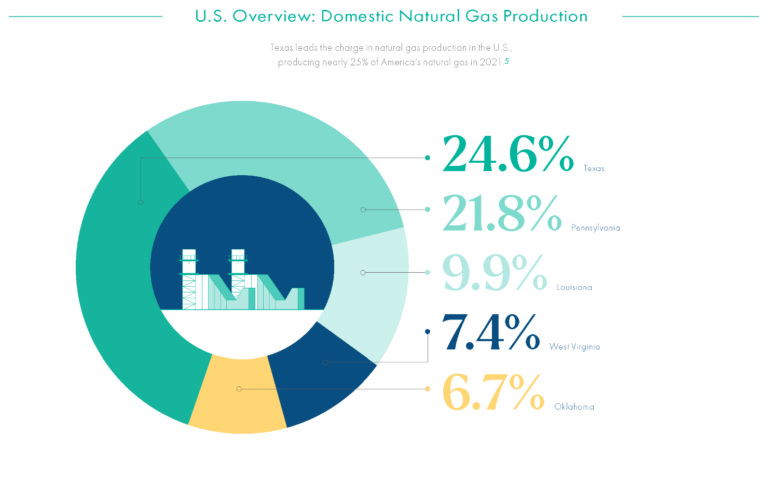
Deep beneath the earth’s surface, trapped in porous rocks, lies the raw treasure. Companies called "producers" or "explorers" use sophisticated drilling techniques to extract this natural gas. This is the very beginning – the source, if you will, of all that warmth and energy.
2. The Midstream: The Energy Superhighway
Once extracted, the gas needs to travel. And travel it does! Across vast distances, often thousands of miles, through an incredible network of pipelines. Think of it as an invisible interstate highway system, but instead of cars, it’s ferrying this vital energy. These pipelines are often owned by "midstream" companies, specialists in transportation.
Ever driven past a sign warning about a buried natural gas pipeline? That’s part of this massive, hidden infrastructure. It’s a modern marvel of engineering!
3. Storage: Banking for a Rainy (or Snowy) Day
Natural gas isn’t used at a constant rate. Demand spikes in winter for heating and dips in summer. So, where does the excess go? Into colossal underground storage facilities! These can be depleted natural gas reservoirs, salt caverns, or even old mines. They act like giant energy piggy banks, saving gas when it's plentiful for when it's most needed.
4. The Trading Hubs: Where Deals Are Done
Along this pipeline network, there are specific points called "hubs" where natural gas changes hands. These are crucial physical and commercial junctures where large volumes are bought and sold, much like major airports are hubs for air travel. This is where your local utility, GasFlow Inc., often steps in to make its bulk purchases.

5. Your Local Utility: The Last Mile Delivery
Finally, GasFlow Inc. buys the natural gas from these hubs, often on long-term contracts or in the spot market. They then transport it through their own network of smaller, local pipelines (the ones under your streets) directly to your home or business. They handle the maintenance, the billing, and ensure it's safely delivered right to your furnace or stove.
Why Is This So Cool?
It’s easy to take natural gas for granted because it’s so readily available. But understanding its journey reveals a few fascinating truths:
- It’s a global commodity: The price of natural gas is influenced by everything from geopolitical events to a cold snap in Siberia. It’s traded like gold or coffee!
- Massive infrastructure: The sheer scale of pipelines and storage facilities is mind-boggling. It’s an invisible web connecting continents and communities.
- Sophisticated markets: The way natural gas is traded, hedged, and managed is incredibly complex, involving advanced analytics and economic forecasting.
So, the next time you fire up your gas stove or feel the warmth from your heating vents, take a moment to appreciate the incredible, invisible journey that natural gas has made. It's not just a utility bill; it's a testament to a vast, interconnected energy world. Pretty neat, right?