
Where Do We Burn Fossil Fuels

Alright, friends, gather 'round! Have you ever paused mid-snack, mid-scroll, or mid-road trip and thought, "Where does all this energy actually come from?" No? Me neither, usually! But stick with me for a minute, because understanding where we burn fossil fuels isn't some boring science lesson. Oh no, it's actually a peek behind the curtain of what makes our modern lives so incredibly, ridiculously, undeniably fun!
Think about it. We’re not talking about dusty old textbooks here. We’re talking about the invisible magic that powers your entire day, from your morning coffee to your late-night movie marathon. Understanding its origins is like discovering the secret ingredient in your favorite dessert – it just makes everything a little more delicious, a little more fascinating.
Hitting the Road, Air, and Sea!
Let's kick things off with the most obvious culprits, shall we? When you picture fossil fuels being burned, your mind probably leaps straight to transportation. And you’d be right! Your trusty car, for instance, runs on gasoline (a refined fossil fuel). It's what lets you zoom to the beach, visit grandma, or just sing badly to the radio on a long, open road. Road trips, anyone? Pure joy, powered by a little bit of the old earth magic!
Must Read
But it's not just cars! Think about that amazing vacation you took, soaring above the clouds. Jet fuel, my friends, is another form of fossil fuel, powering those colossal metal birds that whisk us away to exotic destinations. Or perhaps you’re a fan of cruising the open seas? Those majestic ships, carrying everything from your latest online shopping haul to you on a tropical getaway, also rely heavily on fossil fuels. So, every time you travel, you're directly experiencing where a big chunk of these fuels get burned. And admit it, travel is pretty awesome!
Let There Be Light (and Netflix)!
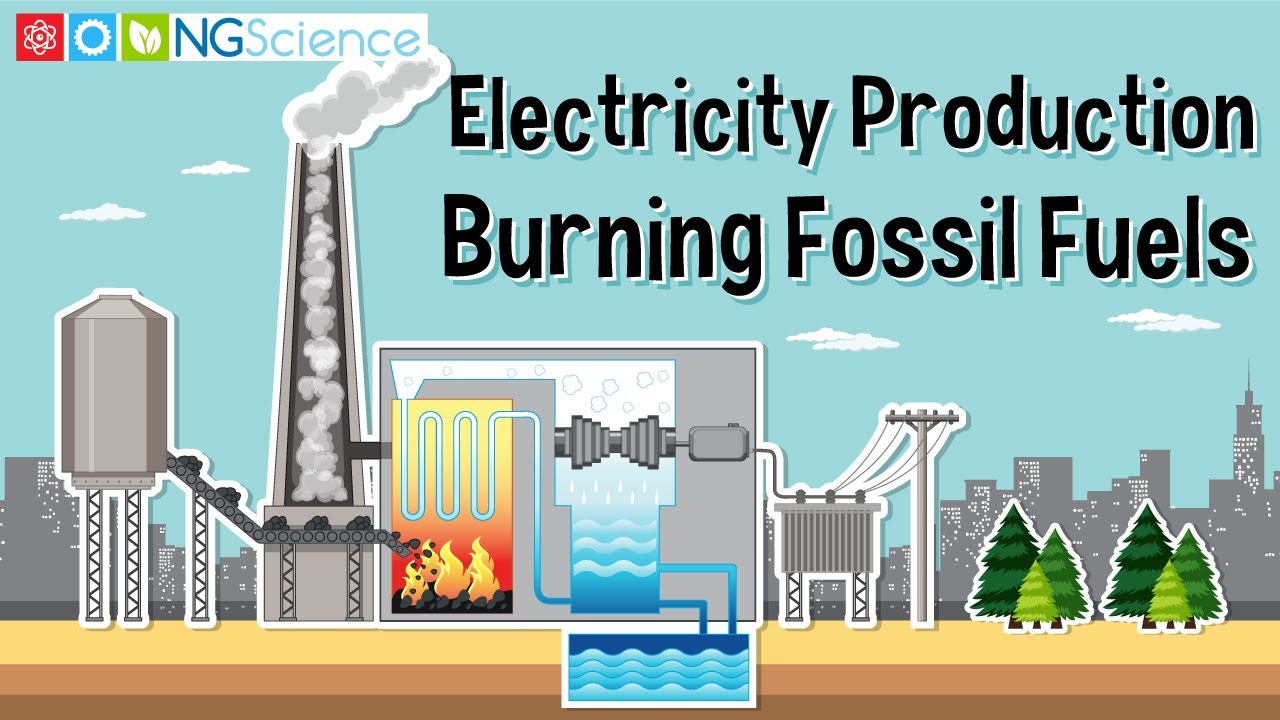
Next up, let's talk about electricity. This is where things get really cozy. When you flip a light switch, charge your phone, or settle in for a binge-watching session (no judgment here!), you’re tapping into a vast network powered largely by... you guessed it, fossil fuels! Many power plants burn coal or natural gas to heat water, create steam, and spin turbines to generate that sweet, sweet electricity.
+and+release+the+trapped+carbon+as+carbon+dioxide+into+the+atmosphere..jpg)
So, every bright idea you have under a lamp, every delicious meal you cook on an electric stove, every victorious video game moment, and every single episode of your favorite show owes a nod to fossil fuel combustion. It literally lights up our lives and provides the juice for endless hours of entertainment. Imagine a world without charging your phone! (Shudders). It sounds pretty unfun, right?
The Stuff We Love: Industry and Manufacturing
Ever look around your house and wonder how all your cool stuff got there? From the clothes on your back to the gadgets in your hand, much of it started its journey with a little help from fossil fuels. The industrial sector uses massive amounts of energy to manufacture almost everything we consume.
+and+release+the+trapped+carbon+as+carbon+dioxide+into+the+atmosphere..jpg)
Factories burn natural gas and other fossil fuels to generate the intense heat needed for processing raw materials like steel, glass, and even the ingredients for your favorite snacks. Plastics, for example, are derived directly from petroleum! So, that sturdy water bottle, your kid's favorite toy, or even parts of your smartphone – they all have a connection to the burning of fossil fuels in industrial processes. It’s what gives us all the cool things that make life convenient and, let’s be honest, a lot more comfortable and fun!
The Hidden Helpers: Food and Warmth
Beyond the obvious, fossil fuels are working behind the scenes in ways that might surprise you. Take agriculture, for instance. Modern farming relies heavily on fossil fuels, not just to power tractors and machinery, but also as a key ingredient in many fertilizers that help grow our food. So, that delicious pizza or crisp salad? They indirectly benefit from fossil fuel energy. Food is fun, right?!
And what about staying toasty in winter or cool in summer? Heating our homes with natural gas or heating oil, and running air conditioning units (which use electricity, often generated by fossil fuels) are huge energy consumers. They literally make our living spaces habitable and enjoyable year-round. No one wants to shiver through winter or melt in summer. So, thank fossil fuels for that cozy night in or that refreshing blast of AC. Comfort equals fun, my friends!
Why This Matters (Beyond the Science Bit)
Now, I know what you might be thinking: "Is this supposed to make me feel guilty?" Absolutely not! This isn't about guilt; it's about awareness. Understanding where and how we burn fossil fuels isn't about doom and gloom. It's about recognizing the incredible energy infrastructure that supports our modern, often delightful, lives.
When you know where your energy comes from, you start to see the world differently. You appreciate the complex dance of science and industry that puts food on your table, entertainment on your screen, and keeps you warm. It's like finding out how a magic trick works – it doesn't make the magic disappear; it makes you appreciate the skill and ingenuity even more! It makes you a smarter, more appreciative participant in the grand theater of life!

The Fun of a Brighter Future!
And here’s the really inspiring part: knowing all this isn't just about appreciating the past and present. It's about being excited for the future! As we understand our energy consumption, we also become more curious about how we can innovate and transition to even cleaner, more sustainable energy sources.
This understanding empowers us to ask better questions, make smarter choices, and cheer on the incredible scientists and engineers who are already building a future powered by sunshine, wind, and other amazing, renewable energies. It’s a journey of continuous improvement, and you are a part of it!
So, the next time you hop in your car, turn on a light, or grab your phone, give a little nod to the energy that makes it all possible. And then, let that spark of curiosity ignite! Learn more, ask questions, and join the conversation. Because understanding where our energy comes from isn't just knowledge; it's a superpower that helps us build a world that's even more connected, more innovative, and ultimately, a whole lot more fun for everyone!