Where Do Most Greenhouse Gas Emissions Come From

Let's talk about something we all rely on, something that powers our lives and keeps our world turning: energy. Think about it – from the moment you wake up and switch on the light, to the last scroll through your phone before bed, energy is there, making everything possible. We enjoy the comfort of a warm home in winter, the coolness of air conditioning in summer, and the ability to travel vast distances with relative ease. This all relies on a constant and readily available energy supply.
The benefits of readily available energy are immense. It allows us to power our industries, produce food on a large scale, transport goods across the globe, and access information and entertainment at our fingertips. Consider the simple act of brewing a cup of coffee in the morning. The electricity needed to power the coffee maker, the gas that heats the water (in some cases), the transportation of the coffee beans – all require energy. Or think about healthcare. Modern medicine depends on electricity to run life-saving equipment, power hospitals, and transport medications.
Energy is everywhere, in various forms. We see it powering our cars (gasoline or electricity), heating our homes (natural gas, oil, or electricity), and lighting our cities (electricity). We use it to manufacture everything from the clothes we wear to the electronics we use daily. Common examples include coal-fired power plants generating electricity, natural gas used for cooking and heating, and petroleum-based fuels powering vehicles. But with all this convenience comes a cost: greenhouse gas emissions.
Must Read
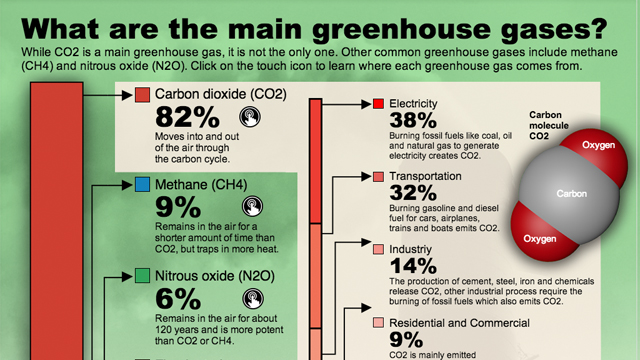
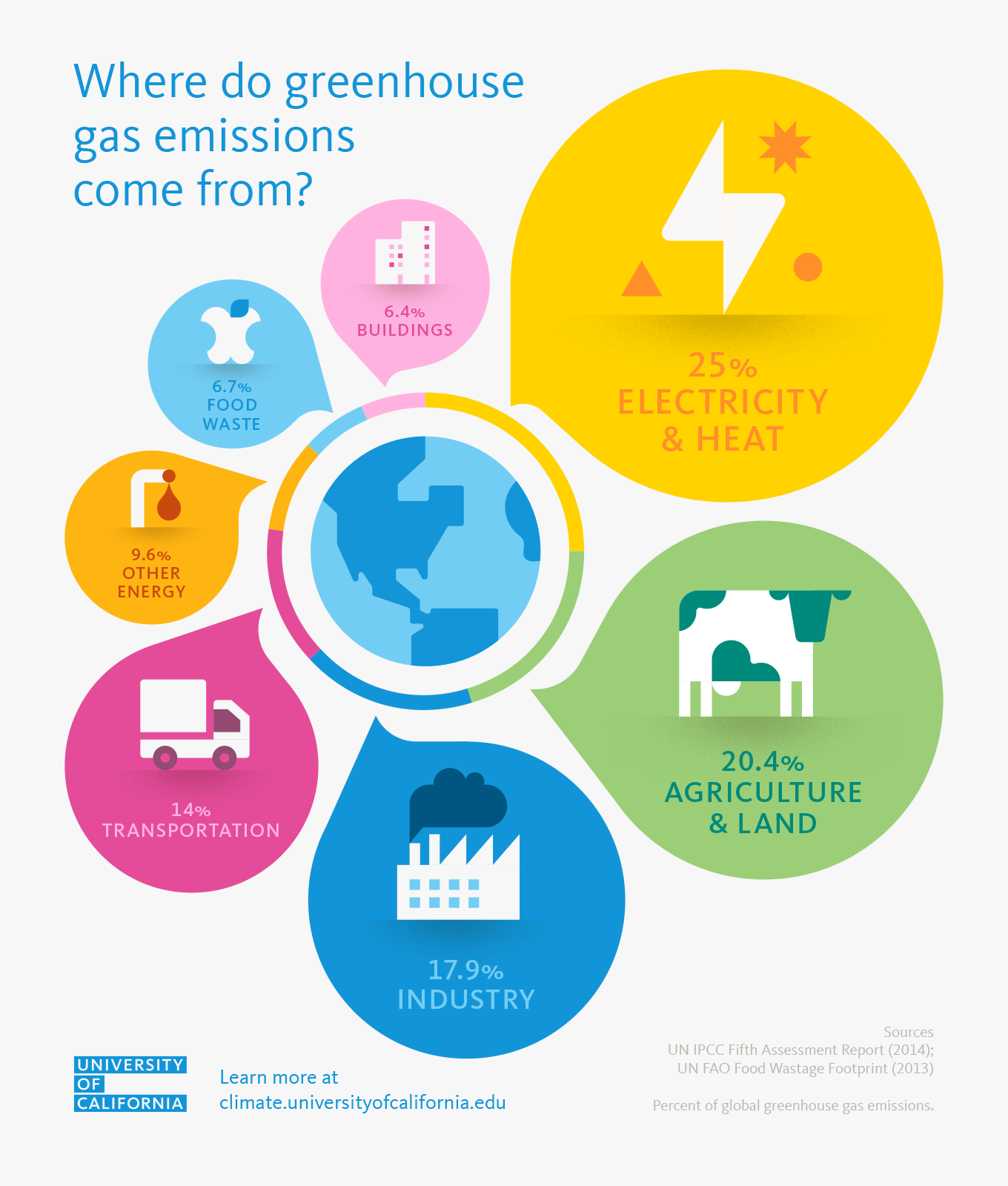
So, where do most of these emissions actually come from? The biggest culprit, by far, is the energy sector itself. The burning of fossil fuels like coal, oil, and natural gas to generate electricity and power our transportation systems accounts for the largest share of global greenhouse gas emissions. Beyond energy production, agriculture also contributes significantly through deforestation (to create farmland), livestock farming (methane emissions from cattle), and the use of fertilizers. Industry, particularly heavy industries like cement and steel production, also plays a substantial role.
What can we do to enjoy the benefits of energy more effectively, while minimizing our impact on the environment? The key is to focus on energy efficiency and transitioning to cleaner energy sources. Here are a few practical tips:
- Conserve Energy at Home: Simple changes like switching to LED light bulbs, unplugging electronics when not in use, and properly insulating your home can make a big difference.
- Drive Less, or Drive Electric: Consider walking, cycling, or using public transportation whenever possible. If you need a car, explore hybrid or electric vehicle options.
- Support Renewable Energy: Choose electricity providers that offer renewable energy options like solar and wind power.
- Reduce Food Waste: Food production contributes to greenhouse gas emissions. Reduce food waste by planning your meals, storing food properly, and composting leftovers.
- Advocate for Change: Support policies that promote renewable energy and energy efficiency.
By understanding where greenhouse gas emissions come from and taking proactive steps to reduce our own footprint, we can enjoy the benefits of energy while protecting our planet for future generations. It's about making informed choices and embracing a more sustainable way of life. Let's all do our part to create a cleaner, healthier future!