Ah, the humble utility meter number! While it might not be the topic of lively dinner party conversation, understanding where to find this often-elusive string of digits is a secret superpower for anyone navigating the modern world of household management. Think of it not as a chore, but as gaining a little bit more control over your domain, a small act of self-sufficiency that brings with it a surprising amount of peace of mind. Whether you're a seasoned homeowner, a first-time renter, or just someone who appreciates knowing how things work, getting acquainted with your meter number is like having a reliable friend in your corner when it comes to utilities.
So, what exactly is this mystical number and why does it matter? Simply put, your meter number is a unique identifier for the specific device that measures your consumption of electricity, gas, or water. It's how your utility provider ensures that you are billed accurately for exactly what you use, rather than an estimate or someone else's usage. This is incredibly important for everyday life! Imagine moving into a new place and not wanting to pay for the previous tenant's month-long binge-watching marathon or epic hot tub parties. Your meter number is crucial for starting and stopping service. It’s also absolutely essential if you ever decide to switch providers to find a better deal – a common practice that can save you a bundle. Furthermore, in the event of an outage or a suspected leak, providing your meter number to your utility company helps them pinpoint your exact location and address the issue much faster.
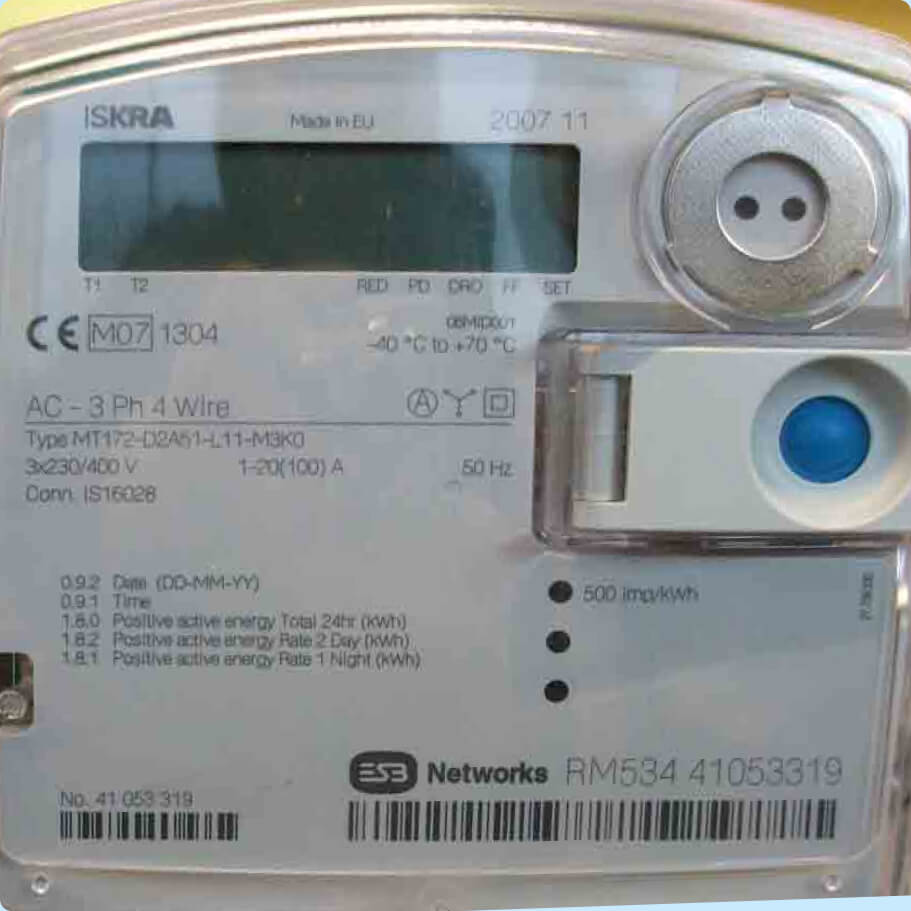
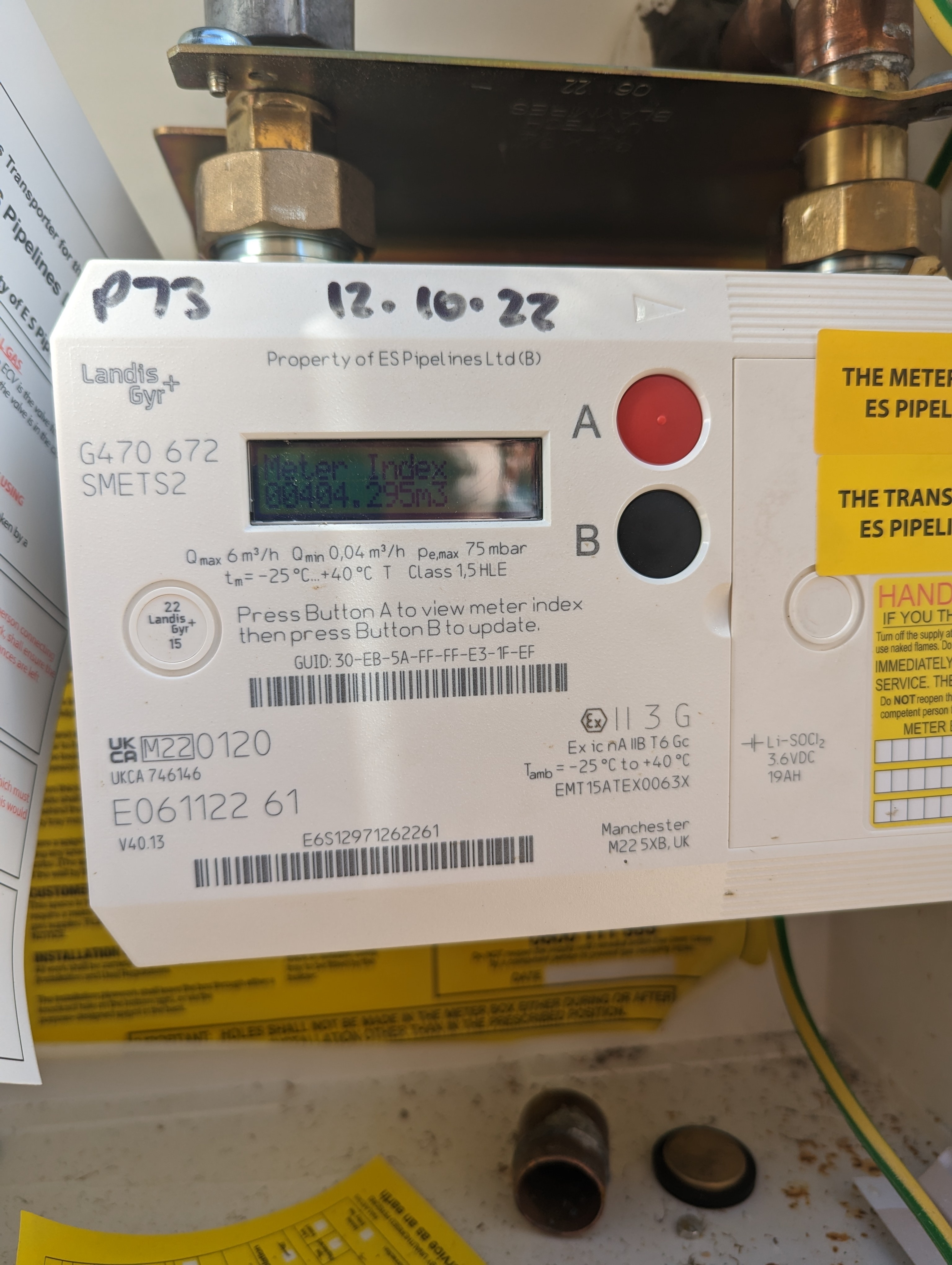
You'll find these unsung heroes in various forms around your property. For electricity, it's typically a box on an outside wall of your home, in a basement, or a dedicated utility closet. Gas meters are often located outside as well, frequently near a side entrance or corner of the house, distinguishable by their sturdy pipes. Water meters can be a bit trickier, often residing in an in-ground box near the curb or property line, though sometimes they’re found inside a basement or utility room too. Each type of meter will have its own distinctive look, but they all share the common purpose of tracking your usage and bearing that all-important identifying number.
Ready to embark on your own meter number quest? Here are some practical tips to make the adventure more effective and enjoyable (or at least less frustrating!). First, check your utility bill. Often, the meter number is printed right on it! If not, it's time for a short stroll. Head to the likely locations mentioned above. For electricity and gas, look for a prominent serial number or a label that clearly says "Meter No." or "Serial No." on the meter itself. Water meters may require carefully lifting a heavy metal or plastic cover – watch out for spiders or debris! Once you’ve spotted it, snap a photo with your phone. This is a game-changer! Not only do you have a permanent record, but you can also zoom in to ensure you’ve got the correct digits. Finally, keep these numbers handy. Store them in a dedicated folder on your computer, in your phone’s notes, or even jotted down in a physical home binder. Knowing where to find your meter number isn't just about utility bills; it's about empowering yourself with essential information for a smoother, more controlled home life.