
Where Do Hurricanes Hit The Most
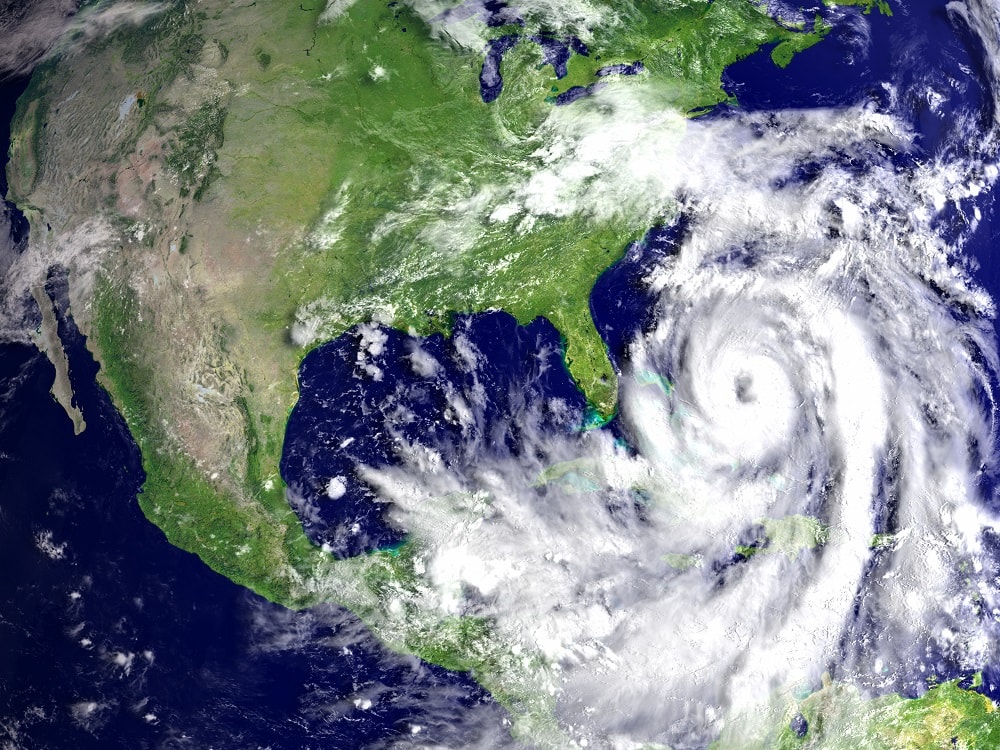
Ever wondered about the wildest places on our planet? Not just mountains or deserts, but where nature throws its most spectacular – and sometimes scary – tantrums? We're talking about hurricanes, those swirling giants of wind and rain. They're undeniably powerful, but also incredibly fascinating if you look with a curious eye.
So, let's play detective and figure out a super interesting question: where exactly do hurricanes hit the most? It's like tracking a celebrity, but instead of red carpets, we're talking about warm ocean waters and the paths of atmospheric giants. Grab a comfy seat, because this isn't just about dots on a map; it's about understanding Earth's amazing weather patterns.
The Big Picture: Not Everywhere Gets a Swirl
First off, it's important to remember that hurricanes (or typhoons or tropical cyclones, depending on where you are) are picky travelers. They don't just pop up anywhere. They need a very specific set of conditions, primarily super warm ocean water. Think of it like a massive, swirling hot tub that needs to be at least 80°F (about 26.5°C) for them to really get going. This immediately narrows down our search area quite a bit, doesn't it?
Must Read
So, forget about hurricanes forming near the poles – those waters are way too chilly. Instead, they prefer the tropical and subtropical regions, roughly between 5 and 30 degrees latitude. This vast band is like their exclusive resort, where the water is always just right for a good churn.
Atlantic's Faves: The Caribbean and the Gulf Coast
When we talk "hurricanes" (especially in North America), we're usually thinking about the Atlantic Basin. And if you're asking about the VIP sections here, two spots immediately spring to mind: the Caribbean Sea and the Gulf of Mexico. These areas are like hurricane magnets, seeing a disproportionate share of storms year after year.
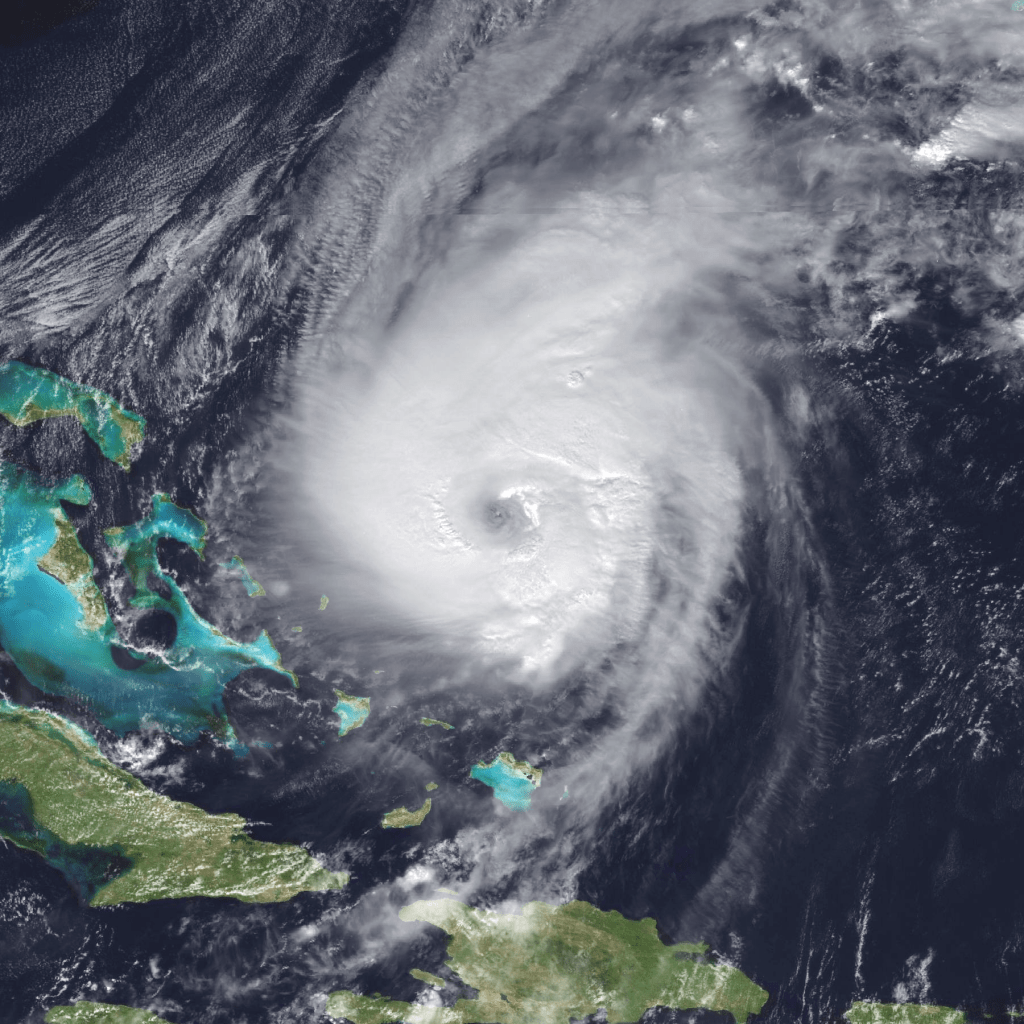
Why these spots? Well, the Caribbean is right in the heart of the "hurricane highway." Storms often form off the coast of Africa and then travel westward across the Atlantic, gaining strength as they feast on the warm ocean. Many of these storms then make a beeline for the Caribbean islands – places like Puerto Rico, Cuba, Hispaniola, and the Lesser Antilles often find themselves directly in the path.
Then, after visiting the Caribbean, many storms take a sharp right turn, guided by prevailing winds and high-pressure systems. This turn often steers them directly into the Gulf of Mexico, making states like Florida, Louisiana, Texas, Mississippi, and Alabama prime targets. It’s like these storms have a GPS set for the Gulf Coast, consistently curving into its warm embrace.
And speaking of Florida, wow! The Sunshine State sometimes gets hit from both its Atlantic side and its Gulf side. It's almost like it's a giant, enticing target right at the crossroads of major storm paths. No wonder it's often called the hurricane capital of the U.S.!
The US East Coast: A Mixed Bag
What about the rest of the US East Coast? While not quite as consistently battered as the Gulf or Caribbean, states like North Carolina, South Carolina, and even parts of the Mid-Atlantic and Northeast certainly get their share of action. Storms can track up the coast, sometimes making direct landfall, or just scraping by, bringing heavy rain, strong winds, and dangerous storm surge.
It’s a bit like a game of pinball. Some storms hit directly, others just glance off, and some fizzle out before they get too far north. But the potential is always there during hurricane season, which typically runs from June 1st to November 30th. It’s a long stretch of keeping an eye on the tropics!
Beyond the Atlantic: Typhoons and Cyclones
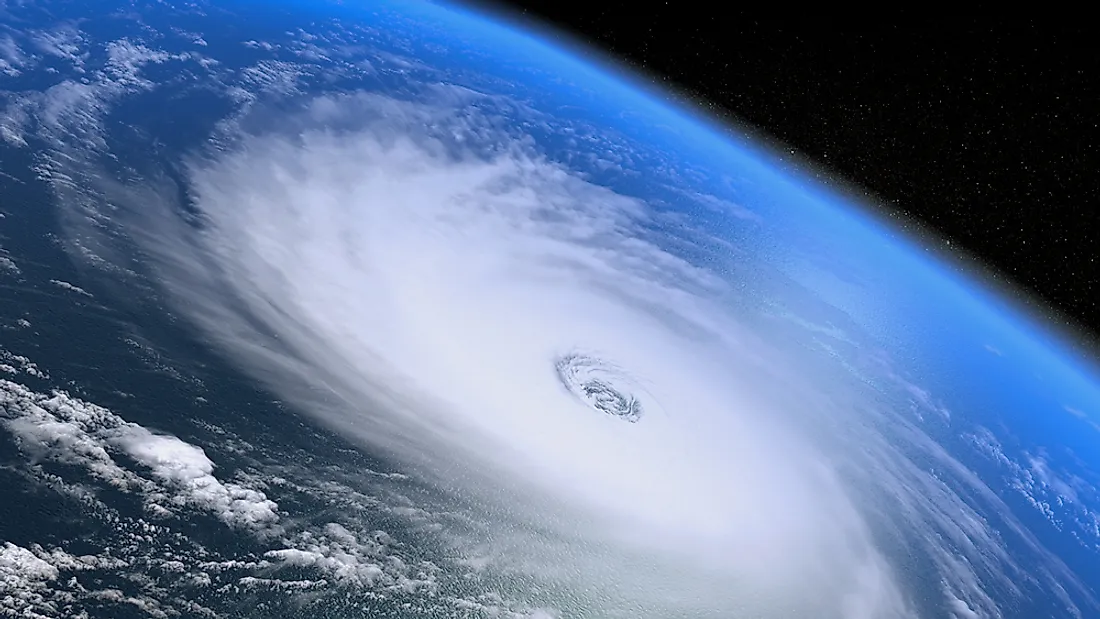
Of course, our planet is big, and hurricanes aren't just an Atlantic thing. When these storms form in the western Pacific Ocean, they're called typhoons. And if you want to talk about true hotspots, the Northwest Pacific Basin takes the crown for the sheer number and intensity of storms. Countries like the Philippines, Japan, China, and Vietnam are frequently impacted by these monstrous systems.
Down in the Indian Ocean and parts of the South Pacific, they're known as tropical cyclones. Places like India, Bangladesh, Australia, and Madagascar experience these powerful weather events. So, while the names change, the dance of wind and water remains just as spectacular and significant.
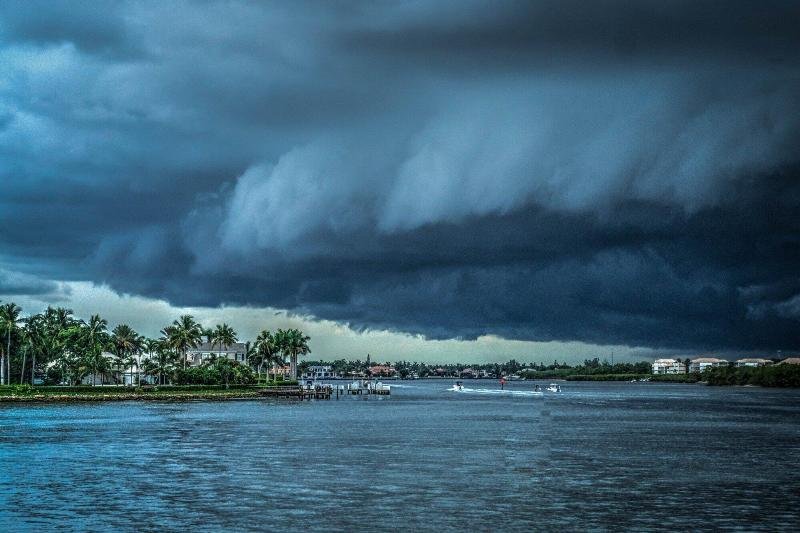
Why These Spots Are So Popular? The Science of Swirls
We've talked about warm water, but what else makes these areas so attractive to hurricanes? It boils down to a few key ingredients:
- Warm Ocean Waters (again!): This is truly the fuel. No warm water, no strong hurricane. It's like trying to run a car without gas.
- Low Wind Shear: Imagine trying to spin a top, but someone keeps nudging it. That's high wind shear, which rips storms apart. Hurricanes prefer areas where winds are relatively uniform at different altitudes, allowing them to grow vertically.
- The Coriolis Effect: This is a fancy way of saying Earth's rotation helps give the storm its spin. It's why storms spin counter-clockwise in the Northern Hemisphere and clockwise in the Southern. Without this effect, no iconic swirling shape!
- Pre-existing Disturbances: Often, hurricanes start as a little ripple – a tropical wave or a cluster of thunderstorms. These disturbances need to be in the right place at the right time to tap into that warm water and low shear.
So, next time you see a hurricane track on the news, you'll know it's not just a random path. It's a calculated dance between ocean temperatures, atmospheric conditions, and the powerful physics of our planet. It’s a wild and beautiful reminder of the incredible forces at play on Earth, even if those forces can be a bit intimidating sometimes!
Isn't it amazing how specific natural phenomena can be? Our world is full of these intriguing patterns, just waiting for us to unravel their secrets. Keep exploring, keep wondering!