
Where Do Heat Waves Come From
Ah, the heat wave! That unmistakable feeling when the air itself seems to shimmer, and even your ice cream develops a nervous sweat. It’s more than just a really hot day; it's a full-blown atmospheric event, a quirky dance of air and pressure that traps us in a sweltering hug. But where do these fiery phenomena actually come from?
Think of it not just as the sun getting a little too enthusiastic, but as a fascinating, invisible cosmic traffic jam happening high above our heads. It’s a story with a few surprising characters, all playing their part in baking our neighborhoods.
The Invisible Dome: Our Main Culprit
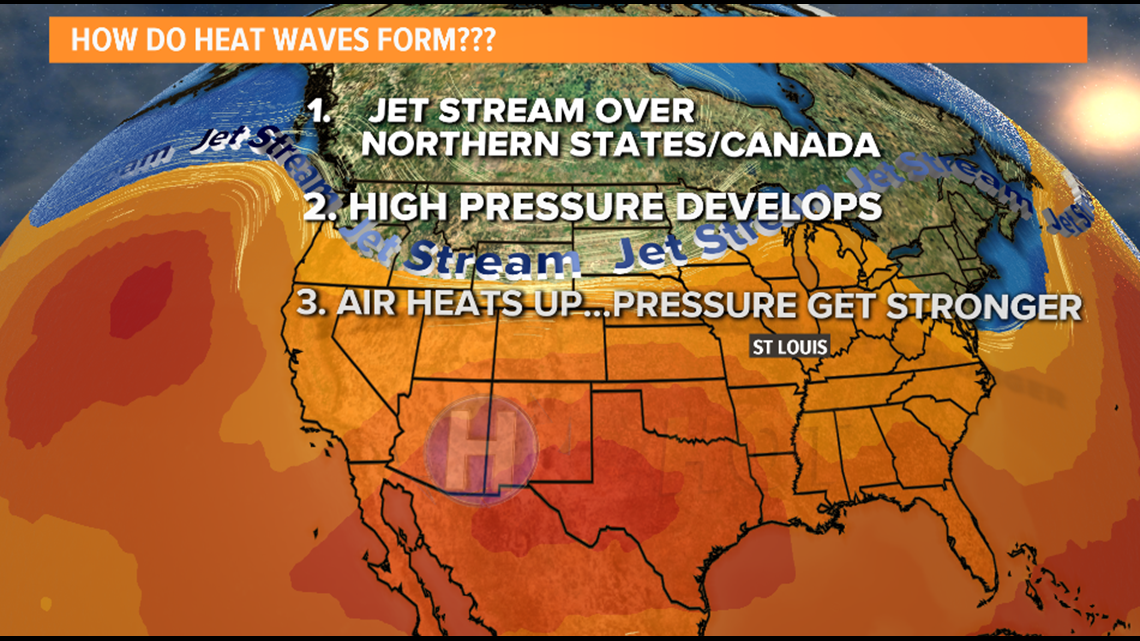
The star of our show is undoubtedly something called a high-pressure system. Imagine a giant, invisible, incredibly heavy blanket made of air, pressing down on a particular region of the Earth. This blanket isn't just heavy; it's a bit of a bully.
Must Read
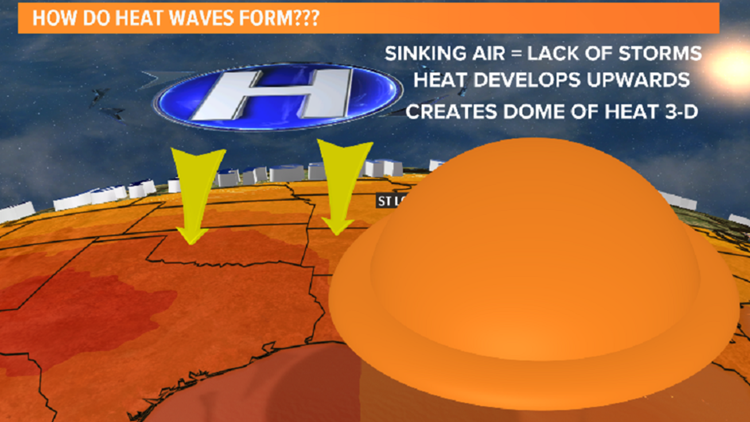
As the air within this system sinks downwards, it gets compressed. And when air compresses, it naturally warms up, much like a bicycle pump gets hot when you use it. This sinking, warming air is the first secret ingredient to our steamy predicament.
But it doesn't stop there! This high-pressure dome also acts like a protective shield, or perhaps a grumpy bouncer. It actively discourages clouds from forming, meaning fewer fluffy white protectors to block the sun's rays. It also pushes away any cooler, breezier air that might try to sneak in.
"It's like Mother Nature decided to put a giant, invisible lid on our world, trapping all the warmth inside with no escape!"
The Jet Stream's Wobbly Dance
Usually, the weather across our planet is guided by a powerful, high-altitude river of air called the jet stream. Think of it as the grand highway for weather systems, constantly moving and steering fronts of warm and cool air around the globe. It's a busy, efficient route.

However, sometimes this majestic river of air gets a little wobbly or, dare we say, a bit lazy. Instead of its usual swift, west-to-east path, it can develop dramatic kinks and loops, almost like a garden hose that’s gotten tangled. When it forms these deep, wavy patterns, things get interesting.
One of these kinks can create what meteorologists affectionately call an "omega block" – because it looks like the Greek letter Omega (Ω) on a weather map. This particular shape acts like a huge atmospheric dam, literally blocking weather systems from moving along.
When a high-pressure system gets caught in one of these omega blocks, it simply can't move. It just sits there, stubbornly baking the region beneath it for days, sometimes even weeks. This is the difference between a hot day and a full-blown, persistent heat wave.
"The jet stream, usually the reliable express train of the atmosphere, sometimes takes an unexpected detour, leaving us stuck at the sun-baked station!"
The Ground's Role: A Self-Fulfilling Prophecy
Our Earth's surface isn't just a passive recipient of all this heat; it's an active participant. When the ground becomes very dry, especially after a period without rain, it absorbs even more of the sun's energy. There's no moisture to evaporate, which usually provides a natural cooling effect.
Think about how you feel cooler when you step out of a shower – that's evaporation at work! But when the land is parched, that natural air conditioning system is off-duty. So, the ground gets hotter, which in turn heats the air directly above it even more.
This creates a kind of vicious cycle, a feedback loop where the heat just keeps building on itself. Hot air rises, but the high-pressure system pushes it back down, compressing it and warming it further. It's like trying to cool a room by turning the heater on higher.
Ocean's Influence: A Distant Cousin
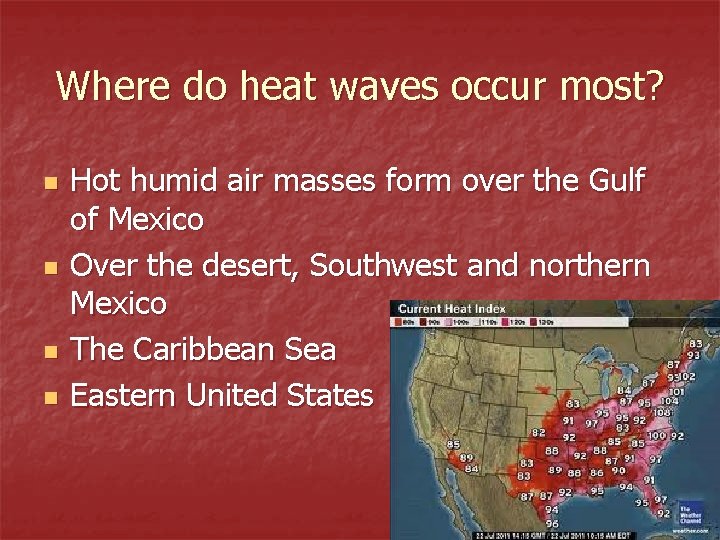
Believe it or not, even the vast oceans can play a part in brewing a heat wave on land. Warmer-than-average ocean temperatures can subtly influence atmospheric patterns far away. They can provide extra moisture to the atmosphere, or alter the paths of those crucial jet streams.
For instance, a particularly warm patch in one part of the ocean might trigger a domino effect across the atmosphere, eventually leading to a stubborn high-pressure system setting up shop over a continent. It's all part of Earth's incredibly interconnected weather system.
A Warming World's Touch
While heat waves are a natural part of Earth’s climate cycles, something new is adding fuel to the fire. Our planet is gradually getting warmer, a phenomenon often referred to as global warming or climate change. This means the baseline temperature from which these heat waves start is already higher.

Imagine starting a race from an already elevated position. The finish line comes faster, and the extreme becomes even more extreme. Scientists are observing that heat waves are becoming more frequent, more intense, and lasting longer in many parts of the world. It’s the same old recipe, but with a bit more spice added by our changing climate.
The Grand Finale: A Symphony of Swelter
So, a heat wave isn't just a simple hot day; it's a captivating, albeit uncomfortable, ballet of atmospheric forces. It’s the sun's energy, combined with a stubborn high-pressure system acting like an invisible lid, locked in place by a wonky jet stream, and exacerbated by dry land.
The next time you’re feeling the relentless grip of a heat wave, take a moment to marvel (from the comfort of your air conditioning, of course!) at the complex, invisible machinery of our planet’s atmosphere at work. It’s a testament to the incredible, intricate dance that constantly shapes the world around us, even when it’s making us wish for a giant ice cube.