Where Do Carbon Monoxide Detectors Need To Be Placed
Ever had that wonderful feeling of knowing everything is just as it should be at home? The cozy warmth, the delicious aroma from the kitchen, the gentle hum of appliances working their magic. It's a feeling of comfort and security that we all cherish. And while we might not "enjoy" thinking about potential dangers, we certainly enjoy the peace of mind that comes from knowing we’re prepared. That's precisely where our unsung heroes, carbon monoxide detectors, step onto the stage.
These unassuming gadgets are the silent guardians of your household, designed to protect you from a truly insidious threat: carbon monoxide (CO). Often called the "silent killer," CO is a colorless, odorless, tasteless gas produced whenever fuels like natural gas, propane, oil, wood, or gasoline burn incompletely. Think of your furnace, water heater, gas stove, fireplace, or even that car idling in an attached garage – all potential sources. The terrifying thing about CO is that you won’t know it’s there until it’s too late, causing symptoms ranging from headaches and dizziness to nausea and, in severe cases, unconsciousness and death. A CO detector is your home's nose, sniffing out this invisible danger and sounding an alarm, giving you precious time to react and get to safety.
CO detectors are found in virtually every modern home, apartment, and even RV. They’re a standard safety measure, much like smoke detectors, guarding families against unseen perils. But much like positioning a security camera for the best view, or placing a Wi-Fi router for optimal signal, knowing where to put your CO detector is key to its effectiveness.
Must Read
So, let's talk strategic placement to enjoy that peace of mind more effectively. Here are some practical tips:
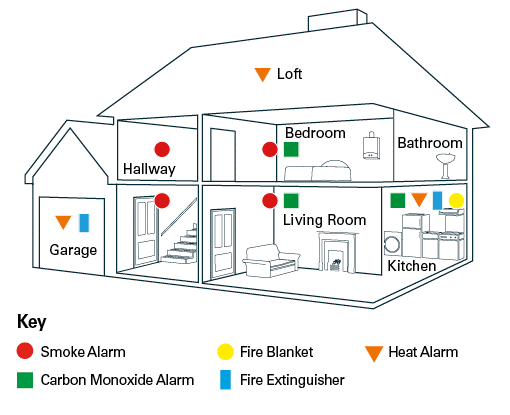
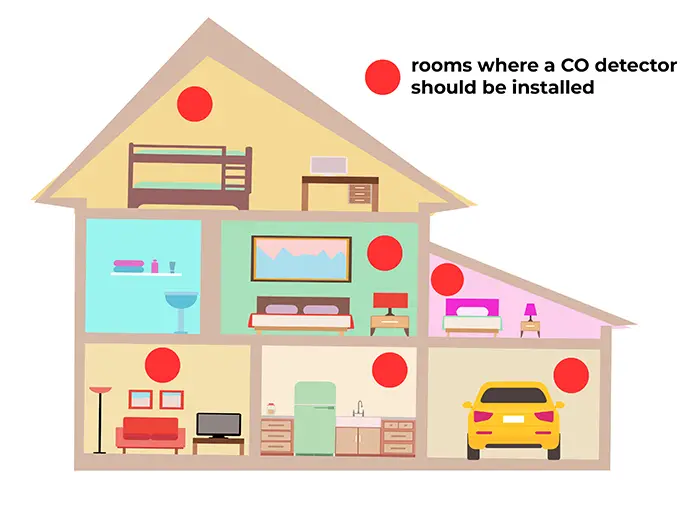
- Near Sleeping Areas: This is arguably the most important spot. Install detectors inside or immediately outside every separate sleeping area. The goal is to wake everyone up if CO levels become dangerous while they’re asleep and most vulnerable.
- On Every Level: Even if you don’t have bedrooms on a particular floor, CO can still accumulate. Make sure you have at least one detector on every level of your home, including the basement.
- Near Combustion Appliances: It makes sense to place a detector closer to potential CO sources like your furnace, water heater, or fireplace. However, don't put it too close to these appliances or cooking fumes, as startup gases can sometimes trigger nuisance alarms. A good rule of thumb is at least 15-20 feet away.
- Avoid Obstructions: Ensure the detector isn’t blocked by furniture, curtains, or anything else that could prevent CO from reaching it. Keep it away from vents, fans, and areas of high humidity (like directly above a shower), which can affect its operation.
- Height Matters, But Not as Much as You Think: Unlike smoke, which rises, CO mixes with air. Detectors can be placed on the ceiling or on a wall, usually at least 5 feet from the floor. Always refer to the manufacturer’s specific instructions for the best placement of your particular unit. Some suggest eye level for easy testing.
- Attached Garages: If you have an attached garage, consider placing a detector near the door connecting the garage to your living space. This helps catch exhaust fumes that might seep into your home.
Regularly test your CO detectors (usually with a simple button press) and replace batteries as recommended by the manufacturer. Most units have an expiration date – typically 5-7 years – so keep an eye on that too. By strategically placing and maintaining these vital devices, you're not just installing a gadget; you're investing in your family’s safety and tranquility, ensuring your home remains the cozy, secure haven it's meant to be.