
Where Can You Find Natural Gas
Deep Down in Earth's Secret Stash
Ever wonder where that clean-burning fuel called natural gas comes from? It’s not made in a factory, far from it! This amazing energy source has a truly ancient and exciting origin story, hidden right beneath our feet.
Think of it as Earth’s very own energy treasure, tucked away in surprising places. Finding it is like a grand adventure, a geological detective story that spans millions of years. Let's embark on this fascinating journey to discover its secret hideouts!
The Cradle of Ancient Life
Our adventure begins eons ago, with tiny plants and animals living in ancient oceans. When they died, their remains drifted to the bottom, getting buried under layers of mud and sand. This organic material was destined for something truly special.
Must Read
Over millions of years, immense pressure and heat from deep within the Earth worked their magic. These buried remains transformed, slowly cooking into oil and, you guessed it, natural gas! It's literally sunshine from a prehistoric era.
The Rock's Cozy Homes
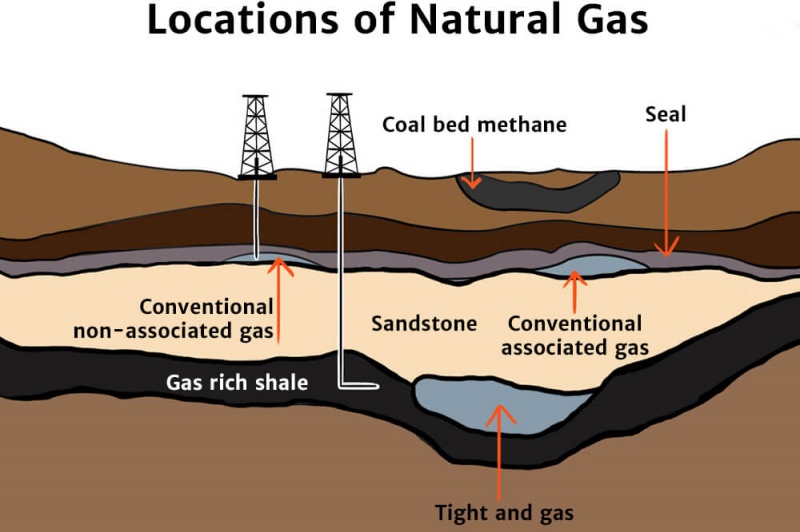
Once formed, this gas doesn't just float around freely; it needs a place to stay. It often finds refuge in what geologists call reservoir rocks. Imagine a giant, super-absorbent sponge deep underground.
Rocks like sandstone and certain types of limestone are perfect examples. They have tiny pores, like a sponge, where the natural gas can comfortably collect and wait. These rocks are its first cozy home.
"Natural gas is often found trapped in the microscopic spaces within certain rocks, much like water in a sponge."
Invisible Underground Traps
But how does it stay put and not just escape upwards? That's where geological "traps" come into play. These are special formations of rock that act like a sealed lid, keeping the gas from rising any further.
One common trap is an anticline, which is like an upside-down bowl formed by bent rock layers. Another is a fault trap, where layers of impermeable rock shift to block the gas's path. These traps are nature's clever containers.
Underwater Worlds: Offshore Discoveries
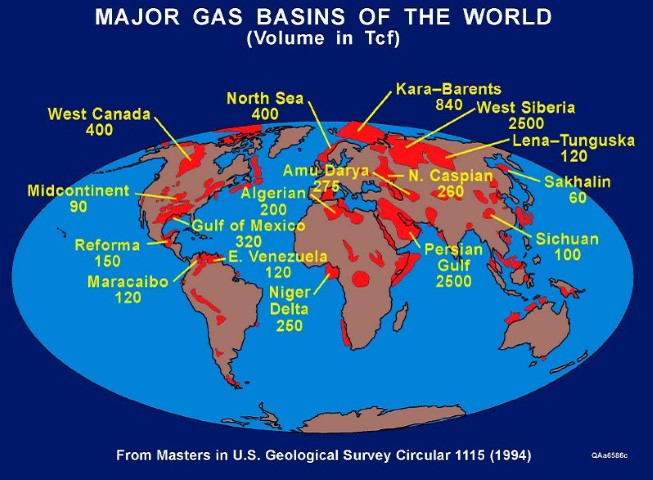
Many of the biggest natural gas discoveries aren't on land at all, but far beneath the ocean waves. Imagine vast reserves hidden under thousands of feet of water and then thousands more feet of seabed!
Drilling for gas offshore is an incredible feat of engineering and exploration. Platforms float above the surface, serving as bases for complex operations reaching deep into the Earth's crust. It’s a true testament to human ingenuity.
Giant gas fields, like those in the North Sea or off the coast of Australia, power entire regions. The sheer scale of these underwater treasures is truly breathtaking and crucial for our energy needs.
The Challenging, Yet Rewarding, Unconventional Spots
While some gas is found in those easy-to-access "spongy" rocks, much more is locked away in trickier places. These are called unconventional gas sources, and finding them has opened up entirely new energy frontiers.
They require special techniques to extract, making the discovery even more exciting. It’s like finding a treasure chest that needs a secret key to open. These challenging finds have revolutionized the energy world.
Shale Gas: The Tight Hug
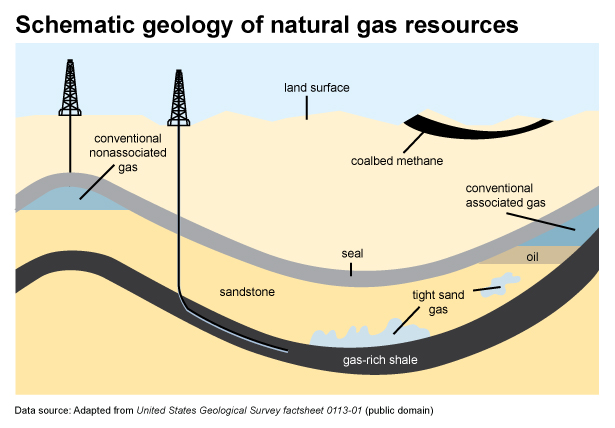
One of the most famous unconventional sources is shale gas. Shale is a fine-grained sedimentary rock, often very dark and dense. Unlike sandstone, it's not very porous; it holds gas in tiny, disconnected pockets.
The gas is essentially "stuck" within the rock, given a very tight hug. To release it, engineers use a process called hydraulic fracturing, or "fracking." This creates tiny pathways for the gas to flow out.
Shale gas has dramatically changed the energy landscape, revealing massive reserves previously thought unreachable. It’s a testament to how science keeps uncovering new possibilities, turning what seemed impossible into reality.
Tight Gas: The Stubborn Sands
Similar to shale gas, but often found in sandstone that isn't quite porous enough, is tight gas. These reservoirs have very low permeability, meaning the gas struggles to move through them.
Like shale, tight gas fields often require specialized drilling and completion techniques to coax the gas out. It's like trying to get water out of a very densely packed, slightly damp sandcastle. It needs some persuasion!
Coalbed Methane: Gas in the Gaps
Did you know that coal seams, famous for burning, also hold natural gas? This is called coalbed methane. It’s gas that has formed and accumulated within the cracks and pores of coal deposits.
For centuries, this gas was a hazard in coal mines. Now, it's a valuable energy source in its own right, tapped directly from the coal beds. It's a fantastic example of finding hidden value in unexpected places.
Gas Hydrates: The Frozen Fire
Perhaps the most mysterious and futuristic natural gas source is gas hydrates. Imagine ice that burns! These are icy crystalline solids that contain methane gas trapped within their molecular structure.
They form under extremely high pressure and low temperatures, found deep under the ocean floor and beneath Arctic permafrost. There are enormous quantities of methane locked in these icy cages, far more than all other fossil fuels combined!
While still largely experimental to extract, gas hydrates represent a potentially colossal future energy resource. It's literally an "ice fire" waiting for its moment, a truly mind-boggling natural phenomenon.
"From ancient oceans to frozen ice, natural gas hides in a breathtaking array of geological formations, waiting to be discovered."
The Thrill of the Hunt
So, how do we find these hidden treasures? It starts with brilliant geologists who study rock formations and seismic waves. They use sound waves to create a "picture" of what's deep underground, searching for those tell-tale traps and reservoir rocks.
Once a promising spot is identified, specialized drilling rigs begin their work, carefully boring thousands of feet into the Earth. It's an incredible blend of science, technology, and old-fashioned detective work.
Every discovery is a testament to nature's power and human curiosity. It’s a real-life treasure hunt, with the prize being a clean and efficient energy source that powers our homes and industries.
Why It's So Special
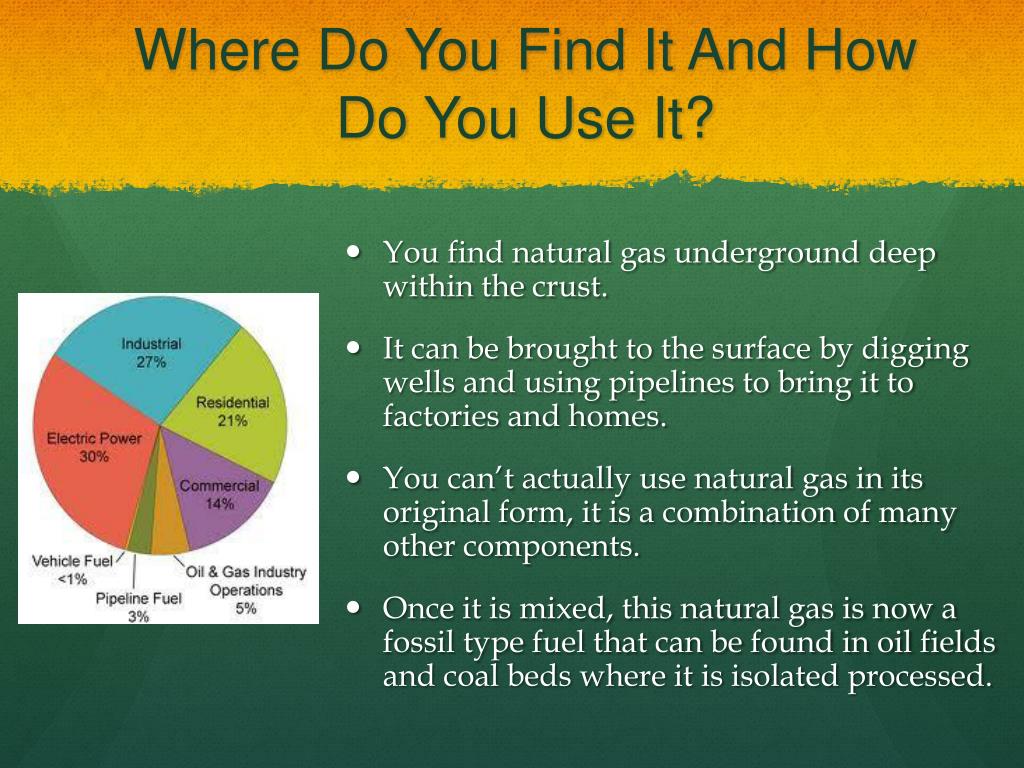
Natural gas is special because it's a clean-burning fossil fuel, offering a bridge to a greener energy future. It’s a versatile energy source, used for heating, electricity generation, and even as vehicle fuel.
The journey from ancient organic matter to our stovetops is simply mind-blowing. It connects us directly to a primeval Earth, offering warmth and power forged over millions of years. It’s truly a marvel of natural alchemy.
Next time you use natural gas, take a moment to appreciate its incredible journey from deep beneath the Earth or ocean. It’s a hidden powerhouse, a testament to Earth's wonders, and a vital part of our modern world.