Where Can I Park An Rv Long Term

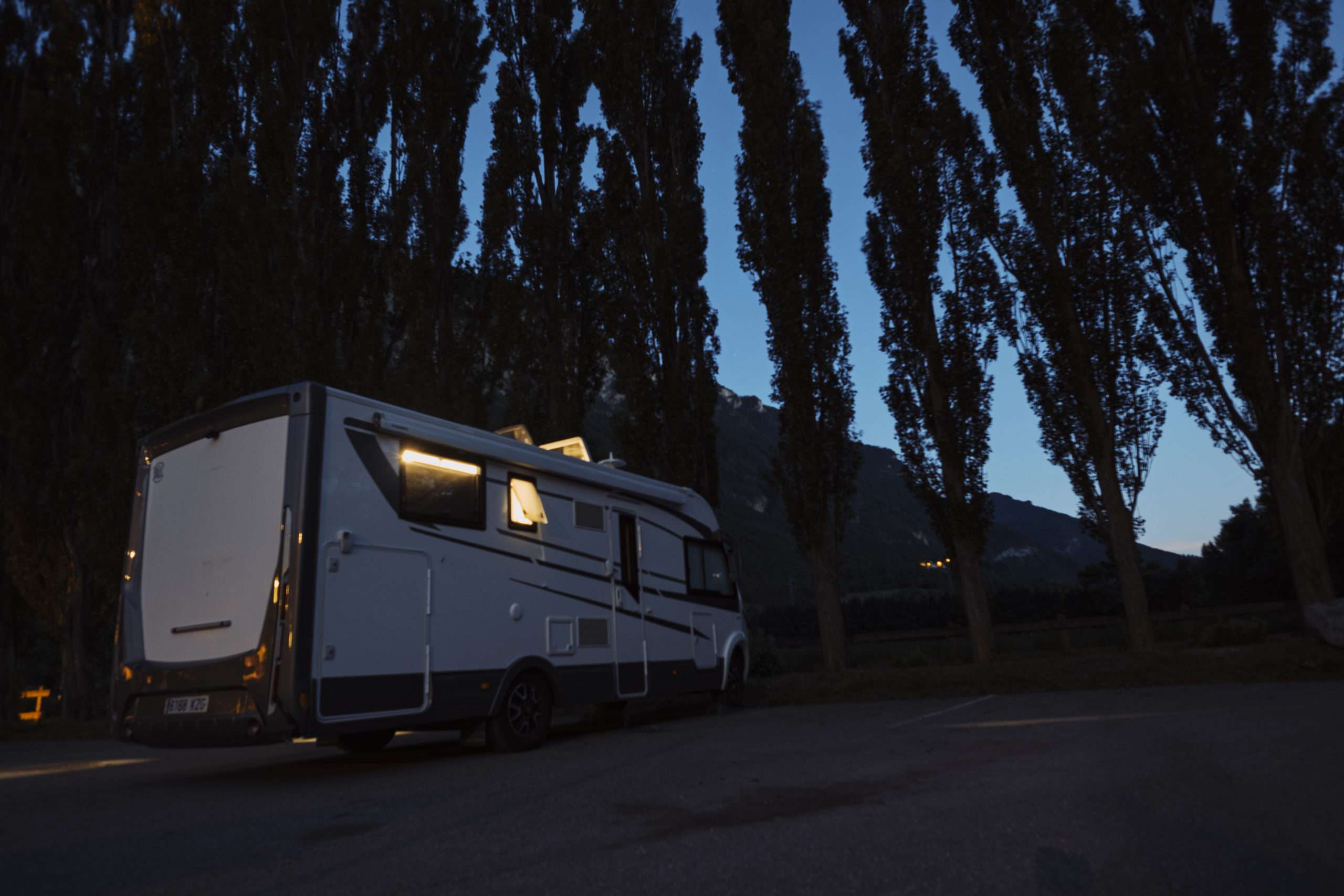
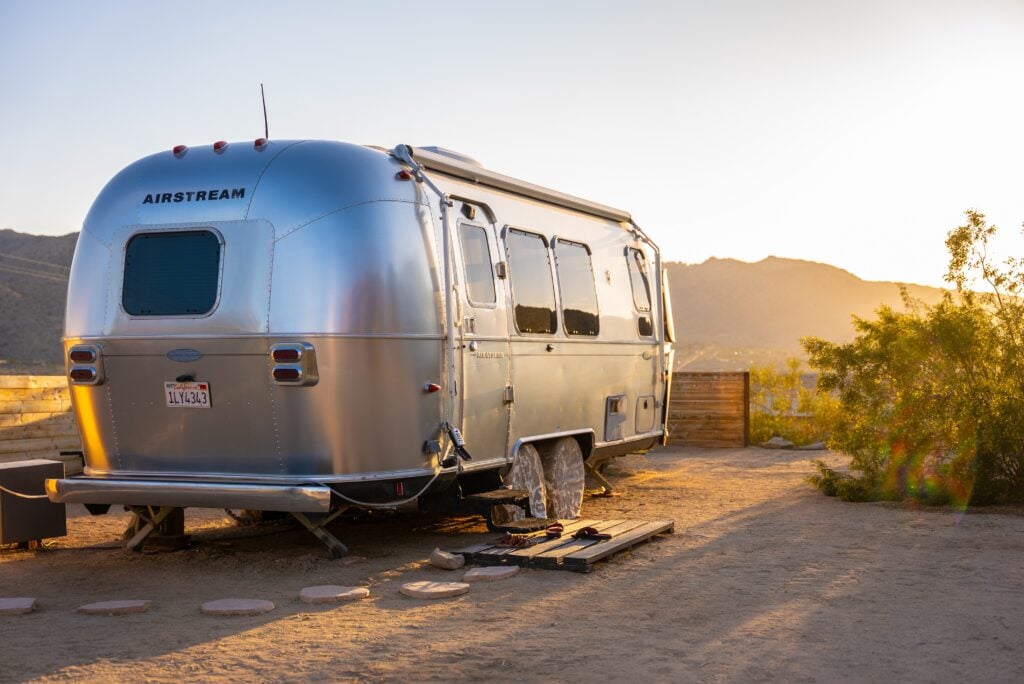
Ah, the mighty RV! The very word conjures images of boundless freedom, spontaneous road trips, and the open road stretching out before you. For many, an RV isn't just a vehicle; it's a mobile home-away-from-home, a passport to adventure, and a symbol of that quintessential American wanderlust. Whether you’re a full-time nomad, a weekend warrior, or a seasonal snowbird, your RV is your trusty steed, carrying you to picturesque national parks, bustling campgrounds, or quiet lakeside retreats. But even the grandest adventures must pause, and when they do, a common question arises: "Where on earth do I park this beautiful beast long-term?"
The purpose of finding a good long-term parking solution for your RV extends far beyond simply getting it out of your driveway. It’s about protecting your significant investment from the elements, deterring theft, and maintaining its value. Imagine your RV sitting exposed to relentless sun, pouring rain, or even damaging hail, slowly deteriorating. Proper storage ensures it stays clean, dry, and ready for your next escapade. It also frees up valuable space at your home, prevents potential HOA headaches (we’ve all heard those stories!), and keeps your neighbors happy by not hogging street parking. It’s about peace of mind, knowing your home-on-wheels is safe and sound until its next call to adventure.
So, where are people stashing their colossal companions? The most common solution is a dedicated RV storage facility. These often range from open-air lots, which are typically the most affordable, to covered spaces offering protection from sun and rain, and even fully enclosed, climate-controlled units for ultimate preservation. Beyond commercial facilities, some folks get creative: a kind friend with ample rural land might offer a spot, or a seasonal campground could provide off-season storage. In some areas, special zoning allows for RVs to be parked on private property, perhaps tucked away behind a fence or in a large barn. Full-timers might even find long-term spots in certain RV parks, settling down for a season or more before hitting the road again.
Must Read
To enjoy your long-term RV parking experience more effectively, a little planning goes a long way. First, research is paramount. Compare prices, security features (gates, cameras, on-site personnel), and access hours for local storage facilities. Read reviews! Second, prepare your RV for storage. This means draining water tanks, disconnecting batteries, covering tires to prevent sun damage, and ensuring all perishables are removed. Consider adding a dehumidifier or moisture absorbers in enclosed spaces. Third, check your insurance policy; some policies require specific storage conditions for full coverage. Fourth, don't just park it and forget it; ideally, visit periodically to check on its condition, run the engine, and ensure everything is still in order. Finally, always be mindful of local ordinances and HOA rules – a quick check can save you a big headache (and fine!) down the road. With a little foresight, your RV will be patiently waiting, perfectly preserved, for its next grand journey.