Where Are The Metalloids On The Periodic Table
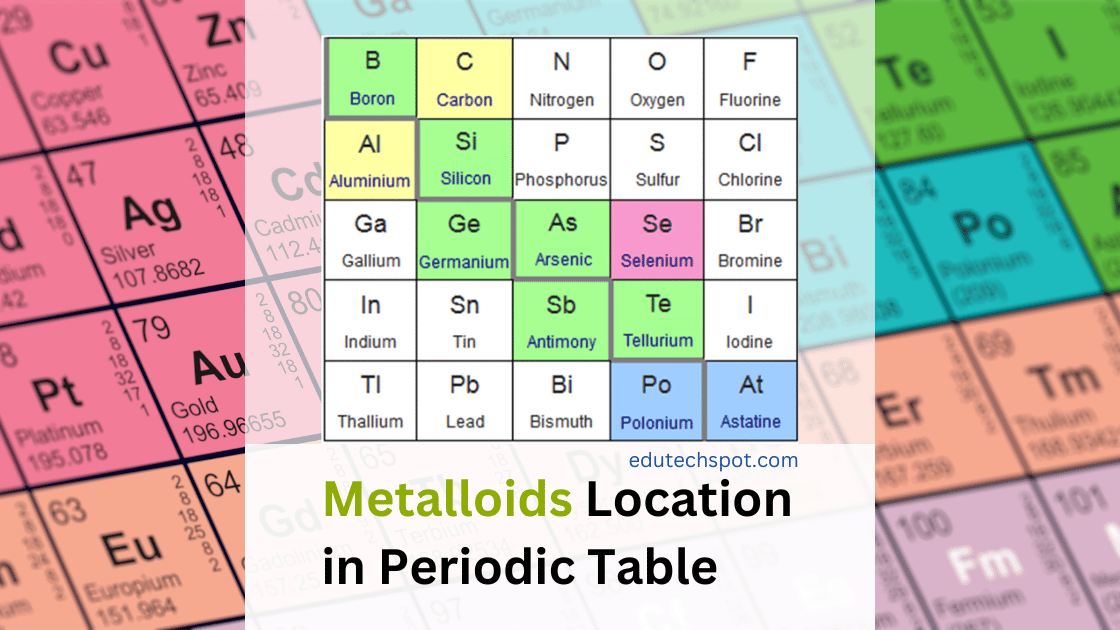
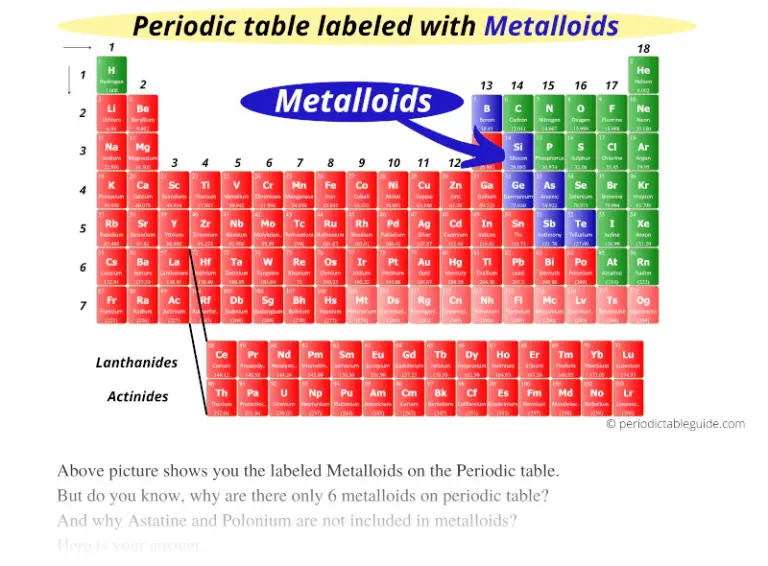
Okay, so the periodic table. We all remember that chart, right? The one that haunted our high school chemistry dreams, filled with letters and numbers that seemed utterly meaningless at the time. But buried within that grid of elements are some pretty interesting characters – the metalloids. Think of them as the Switzerland of the element world, neutral and playing both sides. But where do we find these fence-sitters?
Let's dive in. Don't worry, we're not going full-on science lecture here. Think of this more like a casual chat over coffee (or your beverage of choice!).
The Metalloid "Neighborhood"
Imagine the periodic table as a town. On one side, you've got the super flashy, always-eager-to-give-away-electrons metals. Think of them as the overly friendly neighbors who are always offering to help you move, even when you don't need it. On the other side, you have the nonmetals – the more reserved types, always looking to snag an electron for themselves. They’re like the neighbors who borrow your lawnmower and never return it.
Must Read
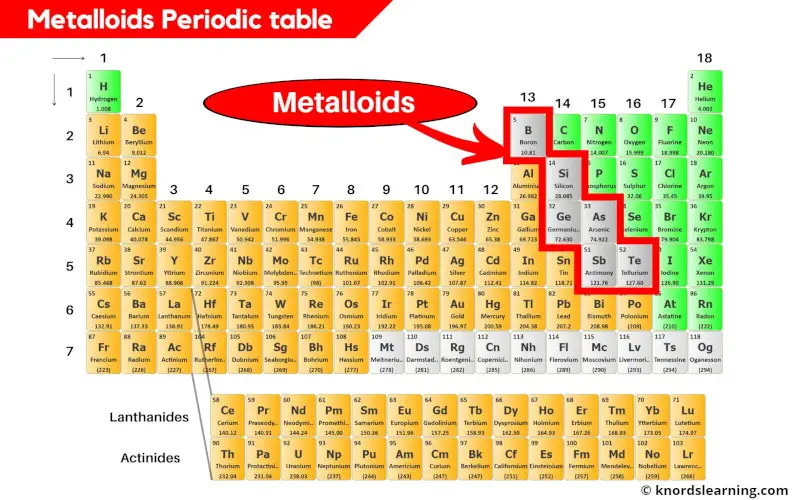
The metalloids? They live right on the border between these two neighborhoods. They’re the folks with the perfectly manicured lawns who wave politely but never get too involved. They're not quite metal, not quite nonmetal, they're… metalloid! And that border is usually a zigzag line snaking down the right side of the table.
So, generally, look for the elements that touch the staircase line!
Meet the Metalloid Crew
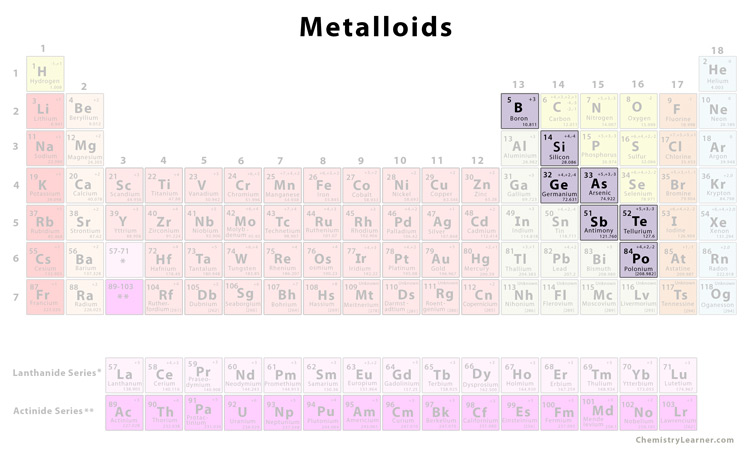
Now, who are these ambiguous individuals? Let’s introduce a few:
- Boron (B): Think of boron as that one friend who’s always got some kind of health food trend they’re pushing. “Oh, you have to try this algae powder in your smoothie! It’s got boron, you know!”
- Silicon (Si): Silicon is basically the superstar of the metalloid world. It's in everything tech-related! Your computer chips, your smartphone – all thanks to silicon's ability to conduct electricity under certain conditions. Imagine silicon as the ultimate tech guru, always knowing the latest gadgets.
- Germanium (Ge): Once a big deal in transistors (think old-school radios), germanium has somewhat faded into the background. It's like that friend who was super popular in high school but now lives a quiet life running a bookstore.
- Arsenic (As): Okay, arsenic has a bit of a dark reputation. It’s famous for being a poison in old movies and novels. But it also has legitimate uses in some industrial applications. Think of arsenic as that mysterious character you're not quite sure you trust.
- Antimony (Sb): Antimony might sound like something from a sci-fi movie, but it's used in things like flame retardants. Imagine it as the responsible one of the group, always looking out for safety.
- Tellurium (Te): Tellurium is used in solar panels and other alloys. It's like that friend who's really into alternative energy and trying to save the planet.
- Polonium (Po): Another element with a bit of a shady past, polonium is radioactive. It's the one everyone keeps a safe distance from.
Why Are They Important?
So, why should we even care about these middle-of-the-road elements? Well, their "semi" properties are what make them incredibly useful. They can conduct electricity sometimes, making them perfect for semiconductors, which are the backbone of modern electronics. Imagine trying to build a computer out of pure metal – it would be like trying to build a house out of marshmallows! The metalloids give us the control we need.
Think about it: no metalloids, no smartphones, no computers, no cat videos on YouTube. A truly horrifying thought, isn't it?
In Conclusion: Metalloids – The Unsung Heroes
The metalloids might not be the most glamorous elements on the periodic table, but they're essential. They’re the bridge between the metals and nonmetals, the Switzerland of the element world, the neutral party that keeps everything running smoothly. So, next time you're staring at your phone, take a moment to appreciate the humble metalloids working hard behind the scenes. They're the unsung heroes of our technological age. And now you know exactly where to find them – straddling that zigzag line on the periodic table!
Now go forth and impress your friends with your newfound metalloid knowledge! You'll be the life of the party, I promise (or at least, the most interesting person at the chemistry club meeting).