Where And How Do Hurricanes Form
Ever wondered about those colossal swirling storms we call hurricanes? They're more than just big weather events; they're some of Mother Nature's most awe-inspiring displays of power! Understanding where and how they form isn't just for scientists; it’s genuinely fascinating, a bit like unlocking a secret level in a video game, but with real-world implications. It’s a popular topic because these storms touch so many lives, making knowledge a powerful tool for safety and curiosity.
This deep dive into hurricane formation offers benefits for everyone. For beginners, it demystifies complex weather phenomena, making meteorology approachable and understandable. You'll grasp the basic ingredients needed for a storm to brew. Families can turn this into a fantastic educational journey, teaching children about the natural world, fostering a healthy respect for nature, and crucially, enhancing emergency preparedness discussions. And for the budding hobbyists or weather enthusiasts, it provides a solid foundation, allowing you to follow hurricane season with a more informed and appreciative eye, understanding the atmospheric dance that creates these giants.
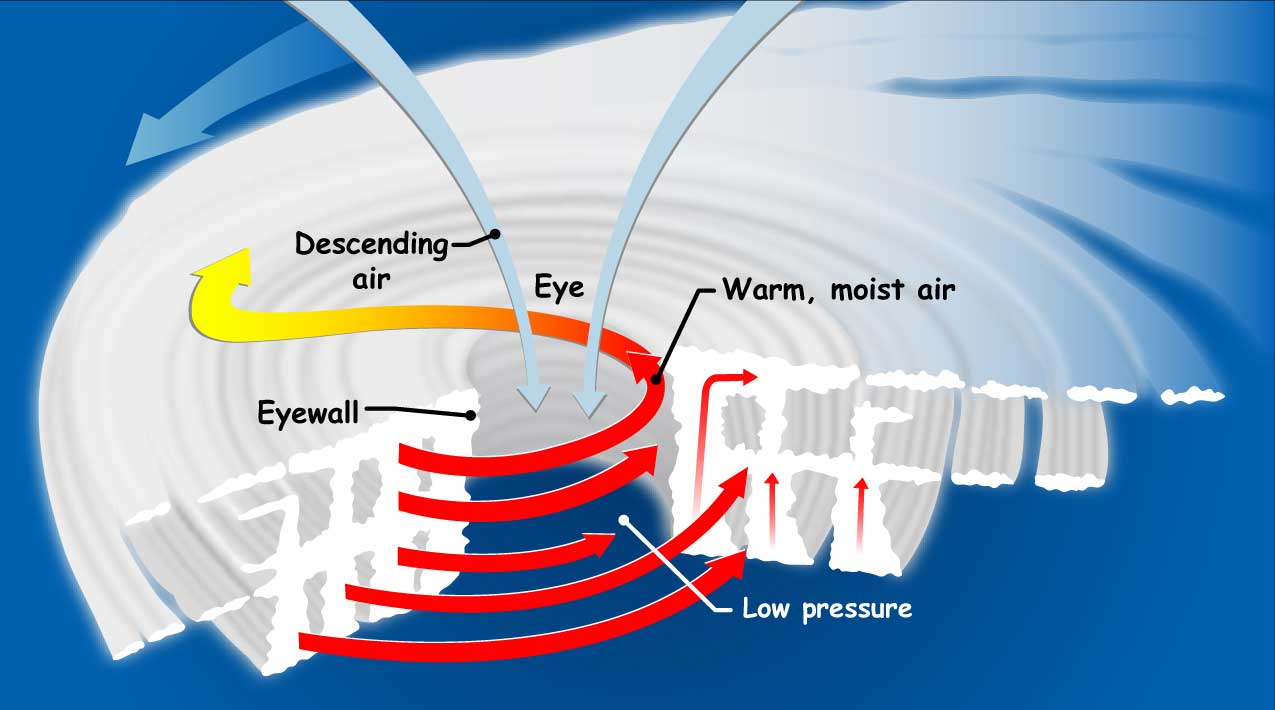
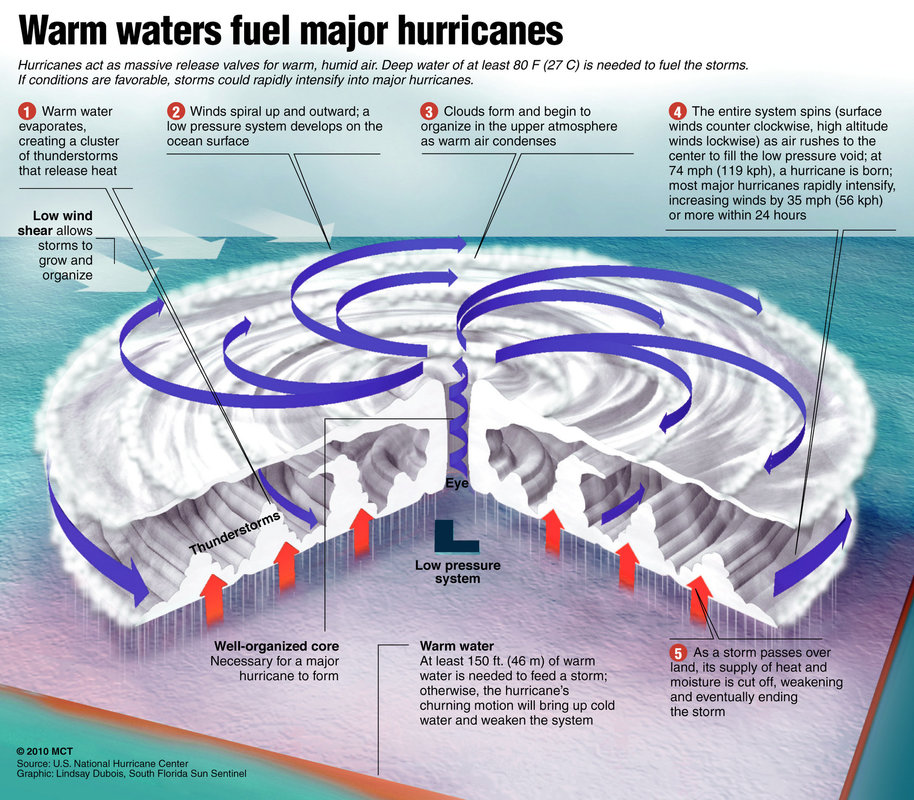
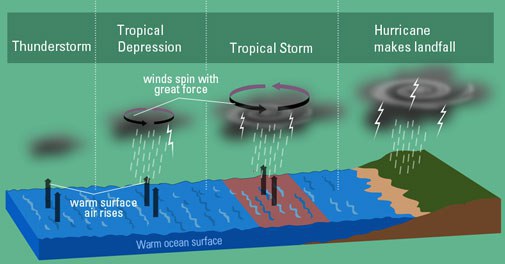
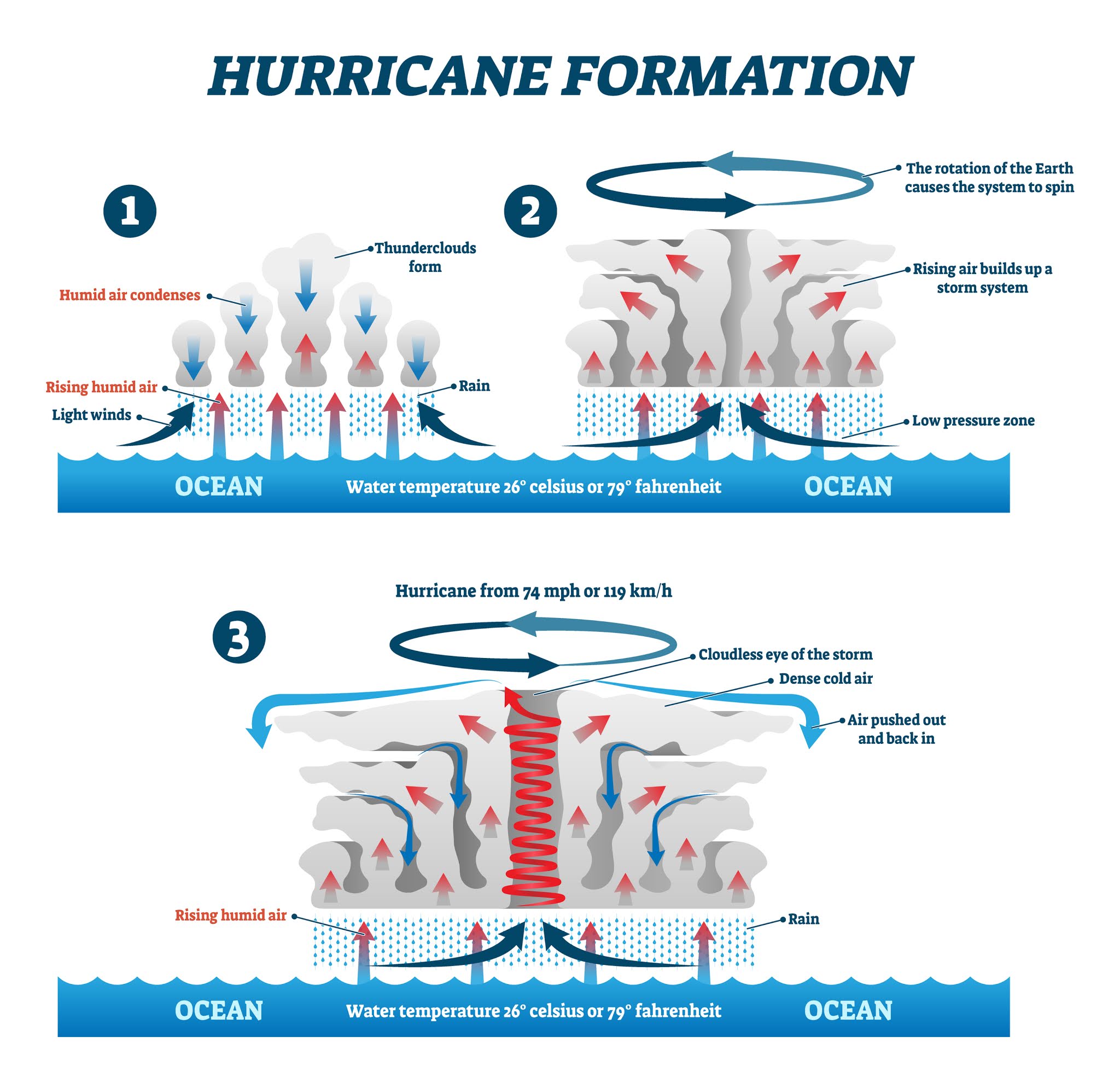
So, where do these behemoths get started? The simple answer is: over warm ocean waters, typically in tropical and subtropical regions. That’s why you hear about them in the Atlantic, Caribbean, Gulf of Mexico, and parts of the Pacific and Indian Oceans. They generally don’t form near the equator due to the lack of the Coriolis effect, which is the planet's rotation giving them their signature spin. The "how" is a bit more intricate, requiring several key ingredients to come together in just the right way. First, you need really warm sea surface temperatures – usually at least 80°F (26.5°C) and extending to a significant depth. This warm water is the hurricane's "fuel." Then, there needs to be plenty of moisture in the air, creating humid conditions. A pre-existing weather disturbance, like a tropical wave or a cluster of thunderstorms, acts as the "seed." Finally, and crucially, there needs to be low wind shear. This means winds at different altitudes aren't blowing too strongly in different directions, which would otherwise tear the developing storm apart. When all these conditions align, the storm begins to organize, pull in more warm, moist air, and grow in intensity, eventually becoming a tropical depression, then a tropical storm, and finally, a full-blown hurricane (or typhoon, or cyclone, depending on where in the world it forms!).
Must Read
Want to get started on your own journey of understanding? It’s super easy! First, simply follow reputable weather sources like the National Hurricane Center (NHC) or NOAA during hurricane season. They provide accessible explanations and tracking. Second, watch some engaging documentaries about extreme weather – visuals can make the science click! Third, discuss what you learn with friends or family. Teaching others is a fantastic way to solidify your own knowledge. Understanding the language, like the difference between a tropical depression and a hurricane category, is also a great step.
Learning about hurricanes isn't just about knowing facts; it's about appreciating the incredible power of our planet and feeling more connected to the natural world. It’s an adventure that promises both intellectual satisfaction and a deeper respect for Earth's amazing atmospheric ballet.