
When Was The Last Refinery Built In The Us
Hey there, grab a virtual coffee! Ever just zone out at the gas pump, watching those numbers climb (and climb, ugh)? We all do it. But have you ever paused to think about where that magical go-juice actually comes from, beyond, you know, the earth?
I mean, crude oil is cool and all, but it needs a serious glow-up before it can power your commute. And that glow-up, my friend, happens in a place called a oil refinery. Big, sprawling, often kinda smokey, industrial behemoths. They’re like giant chemistry sets, turning black gold into gasoline, jet fuel, plastics… the works!
So, here’s a fun, slightly mind-bending question for your next trivia night: when was the last brand-spankin'-new oil refinery built in the United States?
Must Read
Go on, guess! Ten years ago? Twenty? Maybe just last week, quietly popping up somewhere in Texas?
You ready for this? Because it’s probably going to make you spill your coffee. The answer is… 1976!

Seriously. One thousand nine hundred and seventy-six.
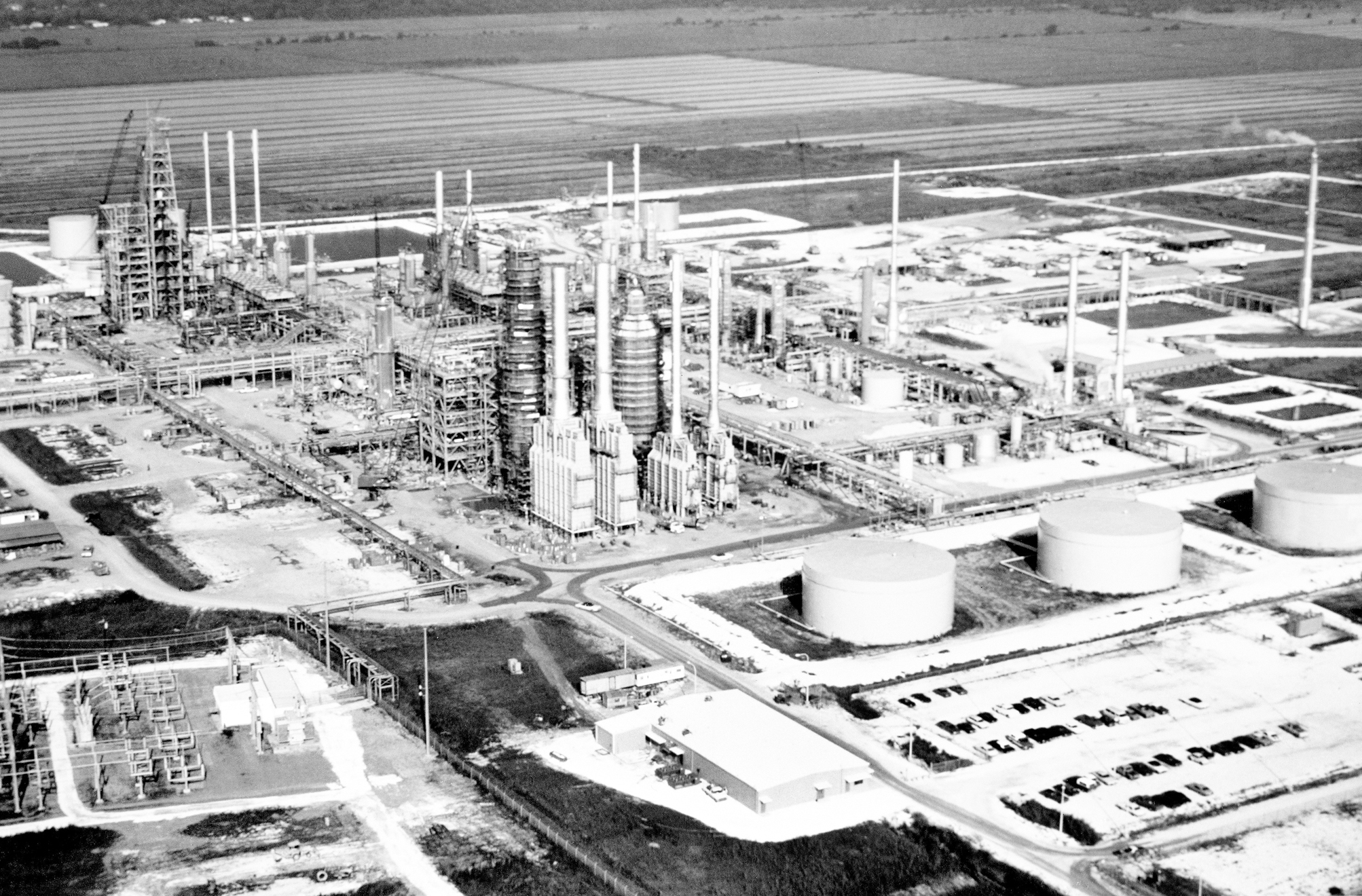
Yep, you read that right. The last time a completely new, ground-up refinery was constructed in the US was almost half a century ago. We’re talking bell bottoms, disco, bicentennial celebrations, and Jimmy Carter winning the presidency territory. That refinery, for the record, is Marathon Petroleum’s facility in Garyville, Louisiana.
Kind of wild, right? It's older than a significant chunk of the US population, definitely older than the internet as we know it, and probably older than your favorite streaming service by a long shot. Mind blown yet? Mine certainly was when I first heard it!
So, Why No New Kids on the Block?
This isn't some conspiracy theory or a sign that we've stopped needing refined products (clearly, we haven't!). There are actually a bunch of super practical, albeit complex, reasons why the refinery landscape in the US looks more like a collection of vintage collectibles than a bustling new-build scene.
First up, let’s talk about environmental regulations. And rightly so! Building a giant industrial facility that processes fossil fuels isn’t exactly a walk in the park for Mother Nature. The permits, the impact assessments, the mitigation requirements… they’ve become incredibly stringent over the decades. And for good reason, too! We want cleaner air and water, right?
Then there’s the whole NIMBY factor. You know, "Not In My Backyard!" Imagine trying to get a permit to build a massive, multi-billion-dollar industrial complex that takes up hundreds, if not thousands, of acres, often near waterways, with pipelines and flare stacks and all the associated activity. People, understandably, aren't exactly lining up to volunteer their picturesque towns for such an endeavor. It's NIMBY on steroids!

And let's not even start on the cost. We're talking billions of dollars. Building a modern refinery from scratch today would cost an astronomical amount, easily in the double-digit billions. That's not just the plant itself, but all the infrastructure, the specialized labor, the environmental controls... it adds up faster than your online shopping cart after a stressful day.
It's Not All Stagnant, Though!
Now, before you picture a bunch of rusty, cobweb-filled relics from the 70s, let me reassure you. The refining industry isn't just sitting still, waiting for disco to make a full comeback. Far from it!
Instead of building entirely new refineries, companies have been focusing on something equally (if not more) impressive: expanding and upgrading existing facilities. Think of it like taking a really solid, well-built old house and gut-renovating it, adding extensions, knocking down walls, installing all the latest smart home tech. It’s still the "same house," but it’s completely transformed, more efficient, and often capable of doing things the original builders never dreamed of.

Refineries today are processing different types of crude, optimizing for various products, and becoming incredibly efficient with their energy usage. They're constantly investing massive amounts of money into these upgrades. So, while the number of refineries hasn't grown, their capacity and sophistication certainly have. Many older, smaller, less efficient refineries have actually closed over the years, leaving a leaner, meaner, more modernized fleet.
Pretty wild, huh? The next time you’re filling up, give a little nod to the folks in Garyville, Louisiana, who helped create the last brand-new piece of that puzzle way back in 1976. It’s a testament to incredible engineering, constant innovation, and a whole lot of history pumping right into your tank.
Alright, chat soon!