When Was The First Nuclear Power Plant Built
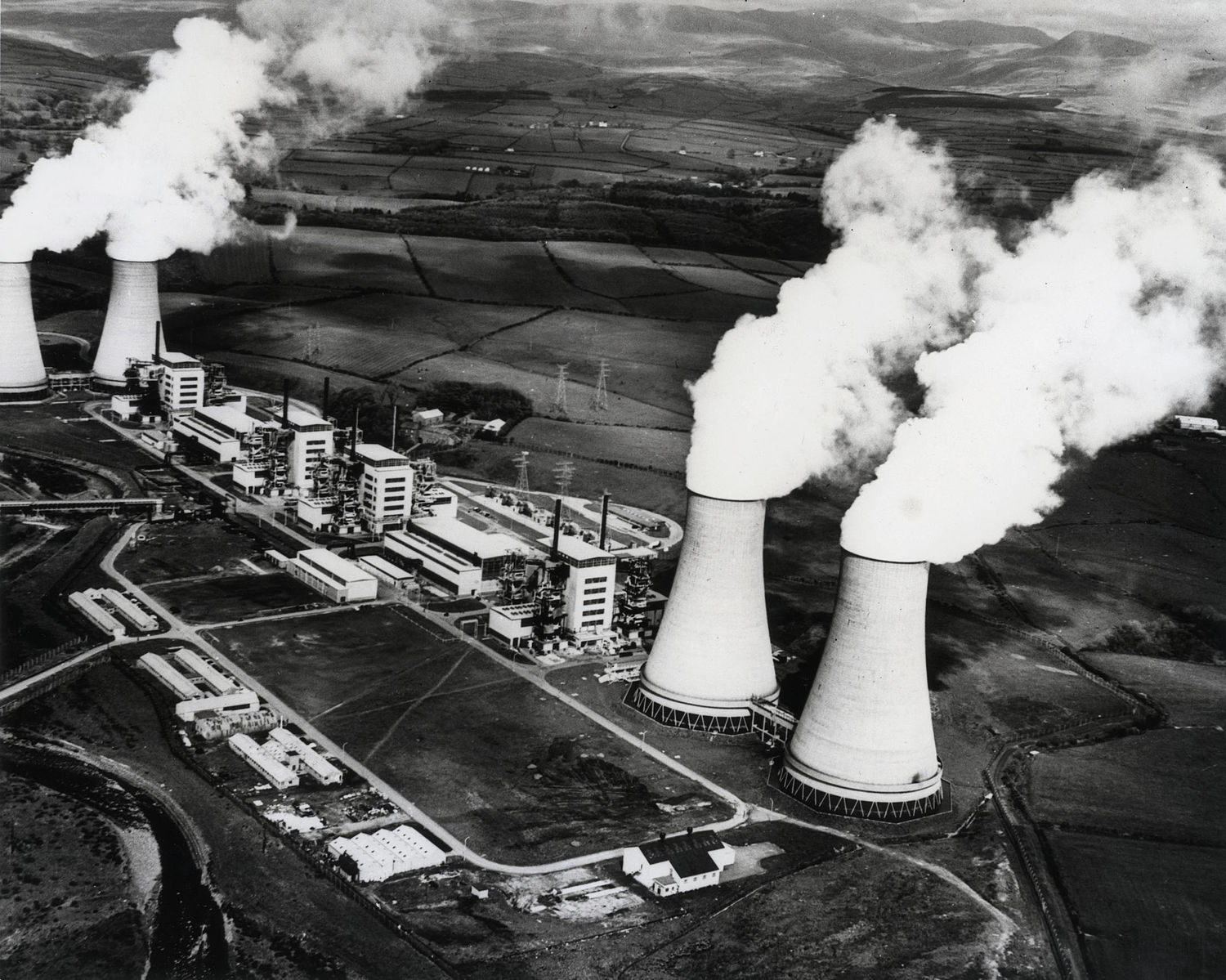
Ever wondered where our electricity comes from? We often think of massive dams, sprawling solar farms, or wind turbines gracefully spinning in the breeze. But there's another fascinating, albeit sometimes controversial, source: nuclear power. Knowing when the first nuclear power plant was built isn't just a historical trivia tidbit; it's understanding a pivotal moment in how humanity harnesses energy, impacting everything from our global economy to our environmental footprint. It's a journey into the heart of atoms and the power they hold! So, let's dive in and find out when this nuclear adventure began.
The first commercial nuclear power plant went online in 1954. It was located in Obninsk, Soviet Union, and it was called the Obninsk Nuclear Power Plant. This wasn't just a lab experiment; it was designed to generate electricity for everyday use. Think about it: before this, nuclear energy was primarily associated with… well, something quite different (we're talking about bombs, of course). The Obninsk plant demonstrated that the immense power of the atom could be channeled for peaceful and beneficial purposes.
The purpose of nuclear power plants, then and now, is to generate electricity through a process called nuclear fission. In essence, they use the heat produced from splitting atoms (usually uranium) to boil water, creating steam that spins turbines connected to generators. It's similar to how coal-fired power plants work, just with a fundamentally different heat source. The benefits? Nuclear power offers a relatively carbon-free alternative to fossil fuels, meaning it doesn't directly release greenhouse gases into the atmosphere during operation. It's also a highly energy-dense source, meaning a small amount of nuclear fuel can generate a significant amount of electricity.
Must Read
The principles of nuclear energy aren't just confined to power plants. You might encounter them in subtle ways in your daily life or education. For example, radioactive isotopes are used in medical imaging to diagnose diseases. In some industries, they're used to sterilize equipment or to gauge the thickness of materials. Students learning about physics and chemistry will encounter the concepts of atoms, nuclear reactions, and radioactive decay, all of which are fundamental to understanding nuclear power. Many museums have interactive exhibits that explain nuclear processes in accessible ways.
Interested in learning more? There are plenty of simple ways to explore the topic. Start with documentaries and educational videos that explain the basics of nuclear fission. Look up the history of nuclear energy and the key figures involved. Many universities offer free online courses or lectures on nuclear physics and engineering. You can even find simplified simulations of nuclear reactors online that allow you to adjust parameters and see the effects. Remember to consult reputable sources like scientific organizations, government agencies, and academic institutions to get accurate information. Don't be afraid to ask questions and explore different perspectives on this complex and important topic. Nuclear power is a powerful tool, and understanding it empowers us to make informed decisions about our energy future.