
When To Replace Carbon Monoxide Alarm

Ah, the trusty carbon monoxide alarm. It’s that quiet little hero we all have, tucked away somewhere. Often forgotten, rarely acknowledged, until… well, until it starts to do its job. Or, more commonly, until its battery starts to complain at 3 AM.
We’re experts at replacing things we see every day. That flickering lightbulb? Gone. The toothbrush looking like it survived a badger fight? Instantly swapped. But the CO alarm? That’s a different beast entirely.
The Great Replacement Mystery
When exactly do we pull the plug on our silent sentinel? Is it when it looks a bit dusty? When you haven't thought about it since moving in? Or perhaps when it emits that truly terrifying, "I'm dying" chirp that makes you jump three feet in the air?
Must Read
Let's be honest, for many of us, the CO alarm falls into the category of "if it ain't broke, don't fix it." And by "broke," we usually mean "screaming bloody murder" or "completely silent and possibly ornamental."
The Elusive Expiration Date
Did you know these things have expiration dates? It’s true! Somewhere, often on the back or deeply embossed into the plastic, is a tiny date stamp. It's usually small, unassuming, and completely ignored by approximately 99.9% of the population.
You probably picked it up, glanced at the box, and thought, "Yep, this will protect me!" Then it went on the wall, and that date became a secret shared only between the alarm and the wall itself.
"An expiration date? On a life-saving device? What an utterly inconvenient truth!"
It's like finding out your favorite sock has a 'best before' date. Who checks that? Nobody, that's who. We just wait until it unravels or gets eaten by the washing machine monster.

But the carbon monoxide alarm is different. Its "unraveling" isn't a visible tear. Its "getting eaten" isn't a lost sock. It's a silent, internal fading of its protective powers.
The Subtle Signs of Alarm Aging
So, aside from that mysterious date, what are the clues? Sometimes, it's a sporadic, single chirp that isn't the battery. It’s like the alarm is clearing its throat, trying to get your attention.
Or maybe it's the faint hum it used to make that isn't there anymore. Is it broken? Or is it just really, really old and tired? Our alarms work hard, after all, constantly sniffing the air for invisible threats.
Think of it as a tiny, dedicated security guard. After 5-7 years of constant vigilance, even the best guard needs to retire. Their senses dull, their reaction time slows.
The "It Still Works!" Delusion
This is where our collective denial truly shines. "It hasn't gone off yet," we proclaim triumphantly. "Clearly, it's still doing its job!"

Ah, but a CO alarm's job isn't to go off every Tuesday. Its job is to be ready to go off. And that readiness has a shelf life, much like your aunt's fruitcake that still "looks fine" after a decade.
The sensor inside slowly degrades over time. It becomes less sensitive, less reliable. It's not about being faulty; it's about being old.
"Just because it's quiet doesn't mean it's lazy; it might just be past its prime!"
We wouldn't trust a firefighter with a decade-old, leaky hose, would we? Our homes deserve the very best defense, even from invisible dangers.
The Journey to Replacement: A Hero's Quest
Okay, so you've braced yourself. You've decided it's time. This isn't just a trip to the store; it's a pilgrimage. You're seeking out a new guardian for your abode.
You stand in the aisle, bewildered by the options. Wired? Battery-powered? Digital display? Voice alerts? It’s enough to make you want to just buy another cheap one and hope for the best.
But no! This time, you're different. You’re informed. You might even glance at the new alarm's expiration date before you leave the store. Maybe.
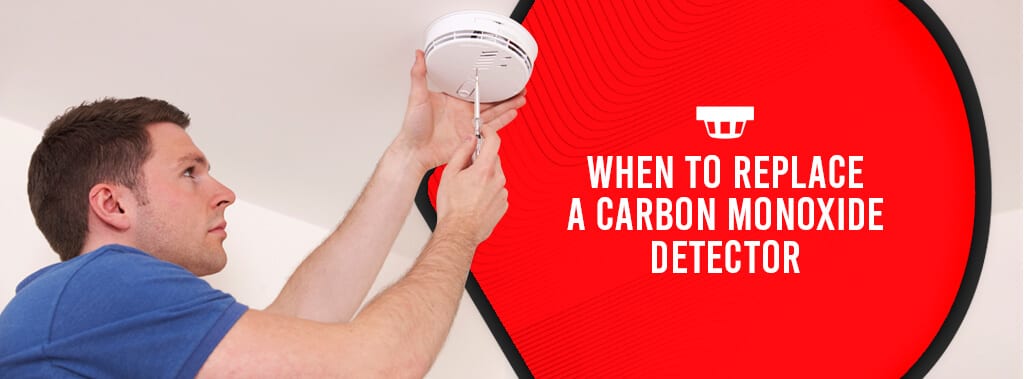
Then comes the momentous task of removing the old one. It usually involves a screwdriver, a step ladder, and a moment of respectful silence for the alarm that served its time.
The old alarm, now detached, looks smaller, somehow sadder. It’s seen some things. It knows secrets of your home, like that time you burned toast and it almost went off.
The Grand Installation (and Remembering to Test)
The new alarm, sleek and pristine, goes up. It probably has a reassuring little light. You press the test button, and it lets out a piercing shriek.
"Yes! It works!" you exclaim, feeling a profound sense of accomplishment. You've done it. You've embraced the future. You've protected your family. For the next 5-7 years, at least.

Then you file away the manual. Or maybe you just toss it, because who reads those things? You promise yourself you'll remember the test it periodically.
"Periodic testing: The noble intention we all have, just before completely forgetting about it again."
But seriously, you should. A quick press of the test button every month is like a tiny check-in with your silent guardian. It ensures it’s still awake, alert, and ready to protect.
Embrace the New Beginning
So, when do you replace your carbon monoxide alarm? When it reaches its official expiration date. When it starts chirping mysteriously. Or, perhaps, when this article makes you guiltily remember its existence.
Don't wait for a dramatic, ear-splitting emergency. Be proactive! It's one of the easiest, yet most overlooked, ways to keep your household safe.
Go on, take a peek. Find that date. And if it's expired, or getting close, treat your home to a shiny new guardian. Your future, un-poisoned self will thank you for it.