When Should You Turn The Heat On In Your House

Ah, the age-old question, the dilemma that plagues households across the land as summer's warmth fades: when do you finally give in and turn on the heat? There's something almost sacred about that moment, a cozy surrender to the inevitable chill. We hold out for as long as we can, clinging to the last vestiges of sunshine and the hope of avoiding that first hefty heating bill. Why? Because a warm, comfortable home is more than just a luxury; it's a sanctuary.
The benefits of a properly heated home extend far beyond simple comfort. Maintaining a consistent temperature helps prevent pipes from freezing in colder climates, potentially saving you from costly repairs. More importantly, it plays a crucial role in your health and well-being. Staying warm boosts your immune system, making you less susceptible to colds and flu. It also aids in better sleep, reduces muscle stiffness, and can even improve your mood during those dreary winter months.
We see the application of home heating everywhere. From central heating systems that distribute warmth through vents, to radiant floor heating that creates a comforting underfoot sensation, to space heaters that offer targeted warmth in specific rooms, there's a solution for every home and budget. Some people use programmable thermostats to schedule heating based on their daily routines, while others rely on smart home systems to control the temperature remotely via their smartphones. The common thread is the desire for a consistently comfortable and healthy indoor environment.
Must Read
So, how do you navigate this annual heating hurdle effectively? Here are some practical tips to maximize your warmth and minimize your bills:
- Embrace layering: Before cranking up the thermostat, add layers of clothing. A sweater and socks can make a surprisingly big difference.
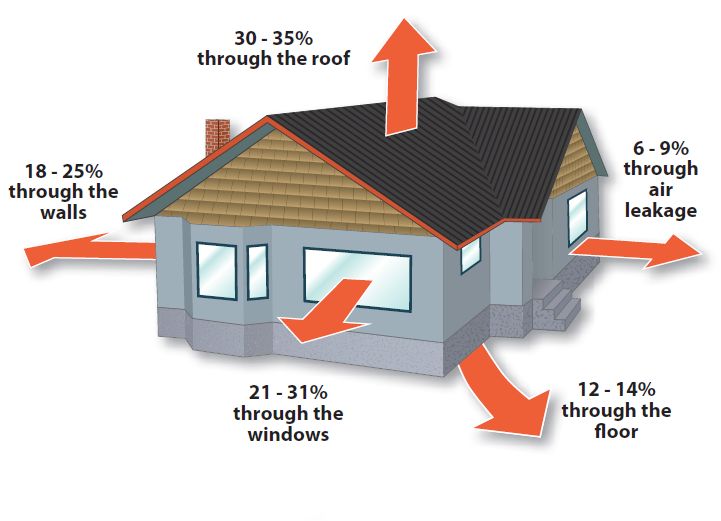
- Seal the drafts: Caulk around windows and doors to prevent cold air from seeping in. Draft stoppers under doors are also a simple and effective solution.
- Use your curtains strategically: Open curtains during the day to let in sunlight (and free heat!) and close them at night to insulate your windows.
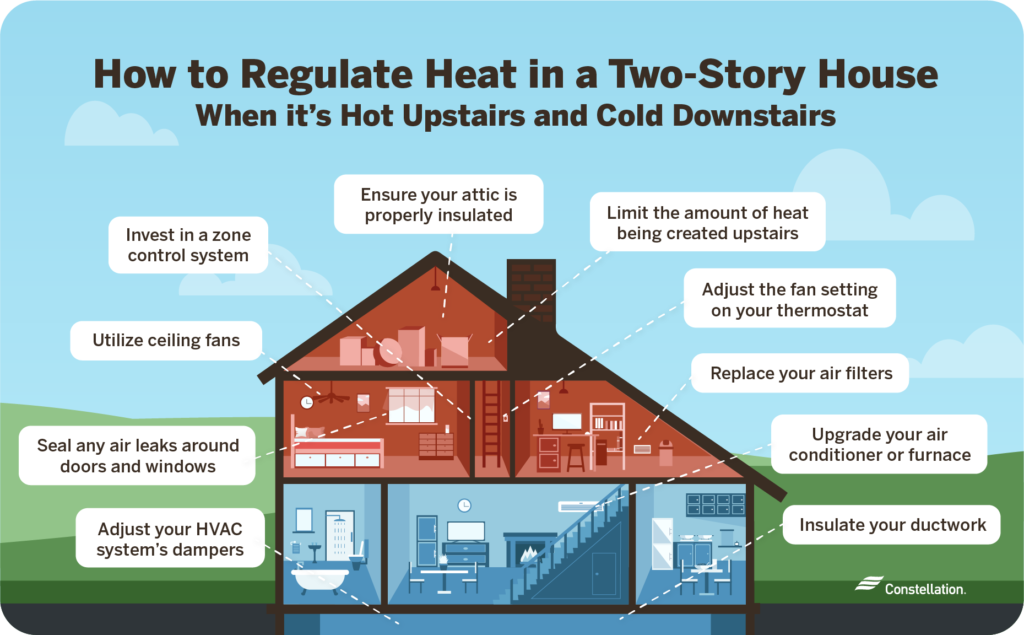
- Maintain your heating system: Schedule regular maintenance for your furnace or boiler to ensure it's running efficiently. Change air filters regularly. A clean system is a more efficient system.
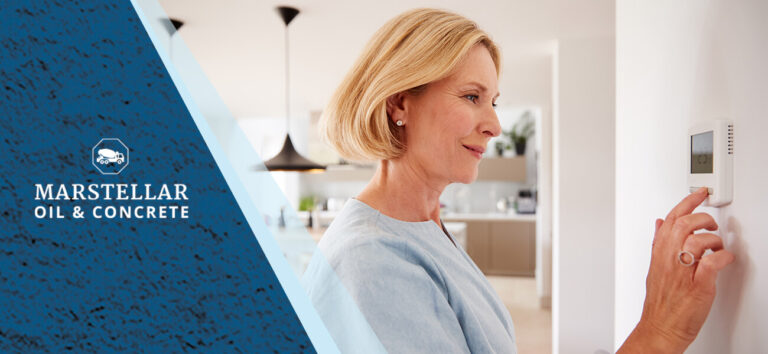
- Consider a programmable thermostat: Set it to lower the temperature while you're away or asleep to save energy.
- Don't overheat unused rooms: If you have a room you rarely use, close the vents and shut the door to prevent heat from being wasted.
- Be patient: It's tempting to crank the thermostat up high when you first turn on the heat, but it's more efficient to gradually increase the temperature to your desired level.
Ultimately, the decision of when to turn on the heat is a personal one. There's no magic number. Pay attention to your own comfort level and prioritize your health and well-being. But hopefully, with these tips in mind, you can enjoy a warm and cozy home without breaking the bank. Remember, a little preparation and strategic thinking can make all the difference in staying comfortable and saving energy throughout the colder months. So, go ahead, embrace the warmth – you deserve it!