When Replacing Battery Which Terminal First

Ever found yourself staring under the hood of your car, wrench in hand, a new battery gleaming, and a tiny voice in your head asks, "Wait, which one goes first?" You're not alone! It's one of those universal car maintenance questions that can make even the most confident DIYer pause. But don't sweat it, because understanding the correct sequence for disconnecting and connecting a car battery isn't just about following rules; it's about safety and keeping your ride purring like a kitten.
Disconnecting: Negative First, Always!
Let's start with getting that old, tired battery out. Imagine your car's chassis (the frame and metal body parts) as one giant electrical ground. When you're disconnecting, your primary goal is to prevent a short circuit. A short circuit happens when the positive terminal accidentally touches something metal that's grounded, creating a huge spark and potential damage.
Think of it like this: your car's entire body is connected to the negative terminal. If you start by unhooking the positive terminal, that positive terminal is still "live" and connected to the battery. If your wrench accidentally touches it and then brushes against any metal part of the car, you've got a direct path to ground, and — POOF! — sparks, possibly a melted wrench, and even battery damage or personal injury. Not ideal for a sunny Saturday morning.
Must Read
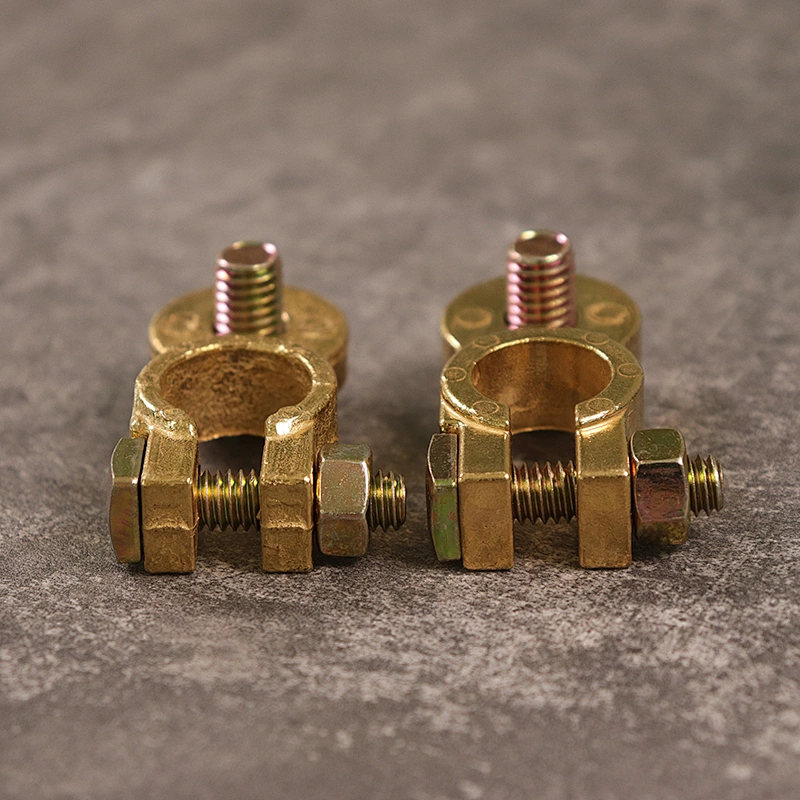
This is why the golden rule for disconnecting is to always remove the negative terminal first. It's usually marked with a "–" sign and often has a thinner cable. Why negative first? Because once the negative terminal is disconnected, the battery's circuit with the car's body is broken. The positive terminal might still be live, but there's no easy path to ground through the car's chassis. It's like turning off the main power switch before you start fiddling with the individual wires.
So, grab your wrench, put on some safety glasses (non-negotiable, folks!), and gently loosen the nut on the negative terminal. Wiggle it free, and make sure to tuck the cable away so it can't accidentally touch the battery post again.
Connecting: Positive First, Power On!
Now, for the exciting part: installing your shiny new battery! The rules here are the exact opposite of disconnecting, and for the very same safety reasons.
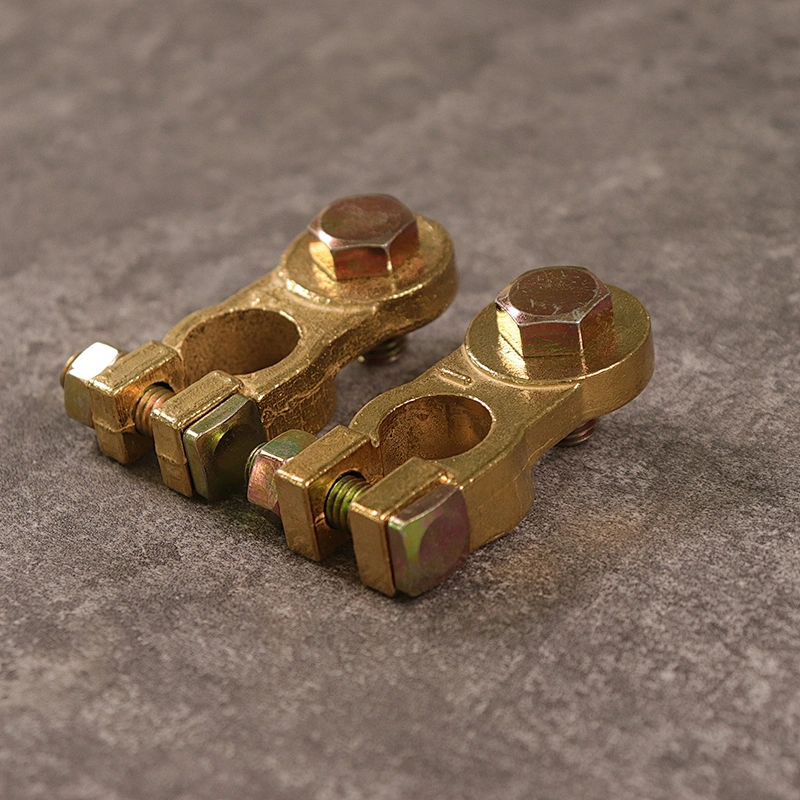
When you're connecting a new battery, you want to hook up the positive terminal first. It's marked with a "+" and usually has a thicker cable. Why positive first? When you connect the positive terminal first, the only "live" part is the positive post itself. Since the negative terminal (and thus the car's ground) isn't connected yet, there's no complete circuit to accidentally short against if your wrench slips.
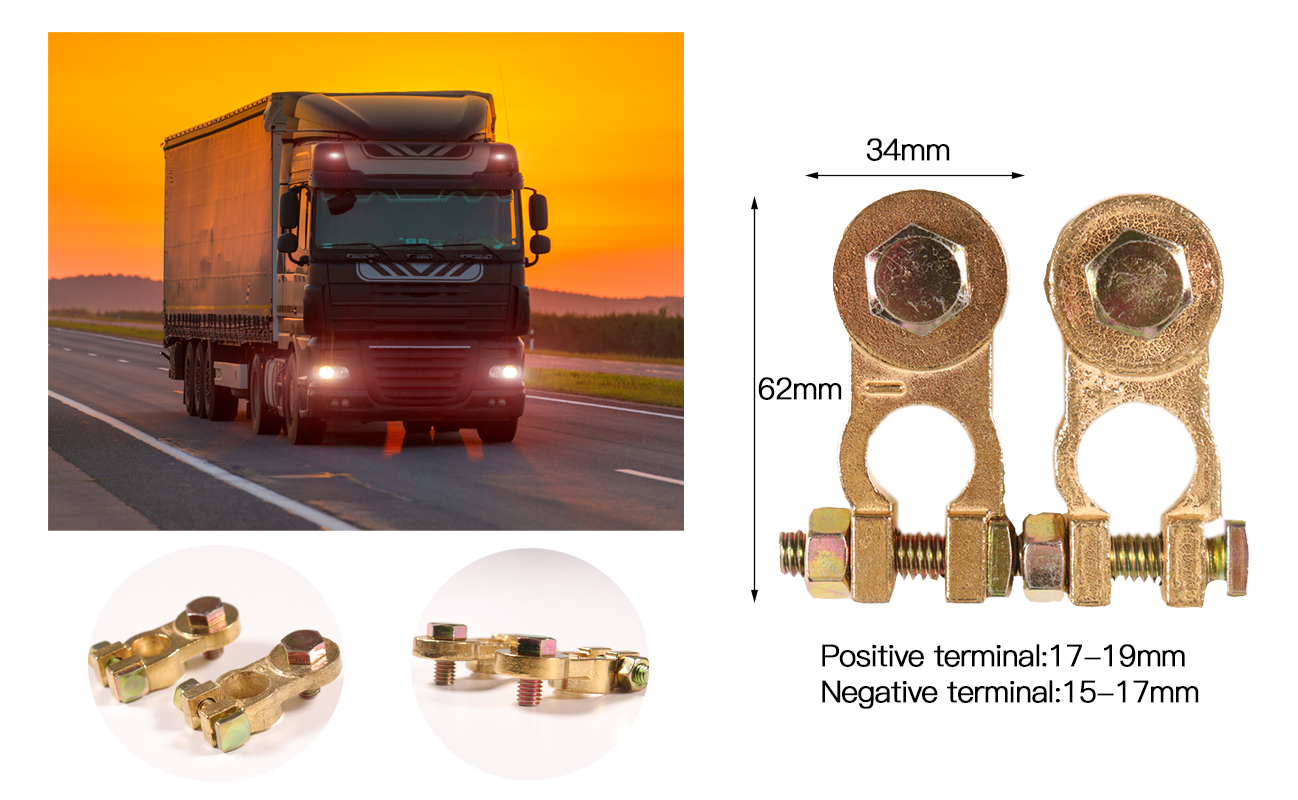
Once the positive terminal is securely fastened, then, and only then, do you connect the negative terminal. As soon as that negative cable is snug, your car's electrical system is fully connected and ready to go. You've essentially completed the circuit in the safest possible way.
The "Why" Behind the Rule: Sparks and Peace of Mind
This simple positive/negative dance isn't just automotive folklore; it's a critical safety measure. Car batteries pack a serious punch – enough amperage to cause severe burns, damage your car's sensitive electronics, or even make your battery explode if a spark ignites battery gasses. (Fun fact: lead-acid batteries produce hydrogen gas, which is highly flammable! Another reason for good ventilation and no sparks.)
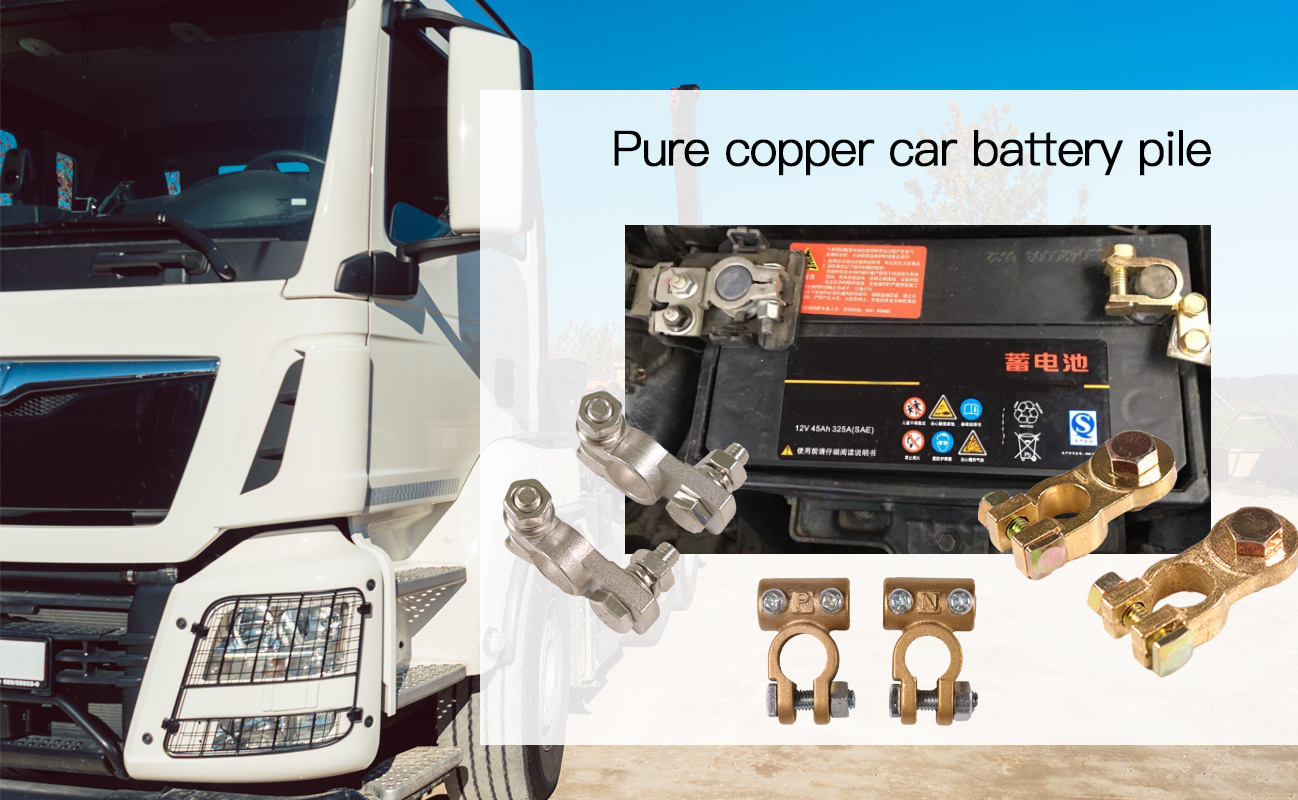
By following the "negative off, positive on" sequence, you drastically reduce the risk of accidental short circuits, sparks, and potential injury. It’s like following a recipe to perfection; you get the best (and safest) results.
Quick Tips for a Smooth Swap:
- Cleanliness is Key: Before connecting, use a wire brush to clean any corrosion off the battery posts and cable terminals. A clean connection ensures better power flow and a longer battery life. Think of it as giving your battery a spa day!
- Safety First: Always wear safety glasses and gloves. Battery acid is no joke.
- Tools: Make sure you have the right size wrench – usually 10mm or 13mm for most terminals.
- Terminal Protection: After connecting, you can apply a thin layer of dielectric grease or use anti-corrosion washers around the terminals to prevent future buildup.
A Reflection on Order
In life, like in car maintenance, sometimes the order of operations truly matters. From packing your suitcase (heavy items at the bottom!) to cooking a complex meal, a thoughtful sequence can prevent headaches, save time, and ensure a successful outcome. Understanding why you do things a certain way, rather than just blindly following instructions, empowers you. So next time you're under the hood, remember the "negative off, positive on" rule – it's a small detail that makes a big difference, giving you the confidence to tackle more of life's little puzzles, one terminal at a time.