
When Liquid Petroleum Comes Out Of The Ground

Ever wondered where that magical liquid that powers our cars and heats our homes actually comes from? I mean, we know it's called petroleum, but how does it go from deep underground to, well, your gas tank? Get ready for a journey into the fascinating (and surprisingly fun!) world of oil!
Think of it like this: imagine a giant, ancient compost heap, but instead of banana peels and coffee grounds, it's packed with tiny, microscopic sea creatures and plants that lived millions of years ago. Now, fast forward a looong time. I’m talking millions of years! These once-living organisms gradually got buried under layers of sediment (sand, silt, and rock, you know, the usual geological suspects).
As more and more layers piled up, the pressure and temperature increased dramatically. It’s like a slow-cooker, only instead of tender pot roast, you get…oil! The organic matter slowly transforms into what we know as crude oil and natural gas. Pretty wild, huh?
Must Read
Okay, so we've got oil deep underground. But how do we get it out? That's where the rock stars of the oil industry – geologists and engineers – come in! These are the folks who use their knowledge of geology to pinpoint where the oil might be hiding. They're like treasure hunters, but instead of gold doubloons, they're after black gold!
They use sophisticated tools, like seismic surveys, to get a picture of what's happening beneath the surface. Imagine sending sound waves down into the earth and listening to the echoes. By analyzing these echoes, they can create a map of the underground rock formations and identify potential oil reservoirs. Seriously cool stuff!
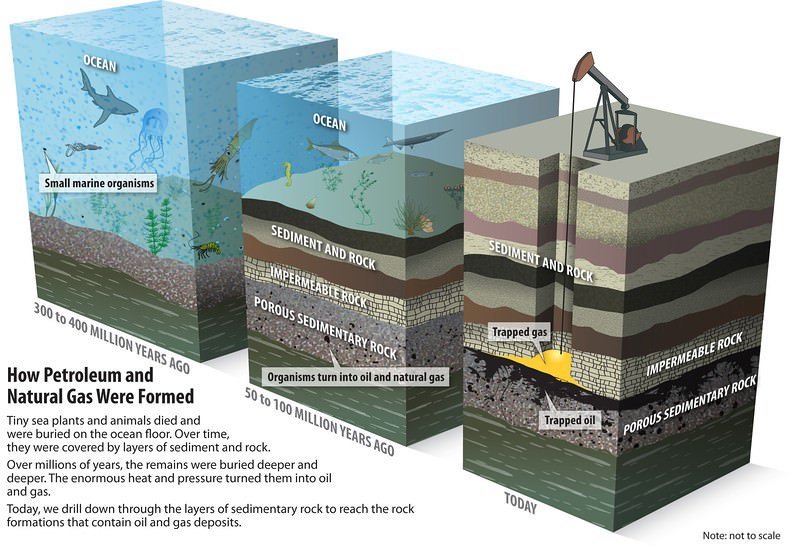
Once they've identified a promising spot, it's time to drill! And let me tell you, these drilling rigs are massive. Think towering steel structures that reach for the sky. They use powerful drills to bore through layers of rock, sometimes for thousands of feet, until they reach the oil reservoir.
Now, here's the exciting part: when they finally hit the oil reservoir, the pressure can be so great that the oil shoots up the well like a geyser! (Okay, maybe not quite like a geyser, but you get the idea.) This is called a "gusher," and it's a sight to behold! Of course, these days, they use sophisticated control systems to prevent uncontrolled gushers. Safety first, always!
But sometimes, the oil doesn't come out so easily. In those cases, they might use techniques like "waterflooding," where they inject water into the reservoir to push the oil towards the well. Or they might use "hydraulic fracturing," also known as fracking, which involves injecting a mixture of water, sand, and chemicals into the rock to create fractures and allow the oil to flow more freely. (This is where things can get a little controversial, but that's a topic for another time!).
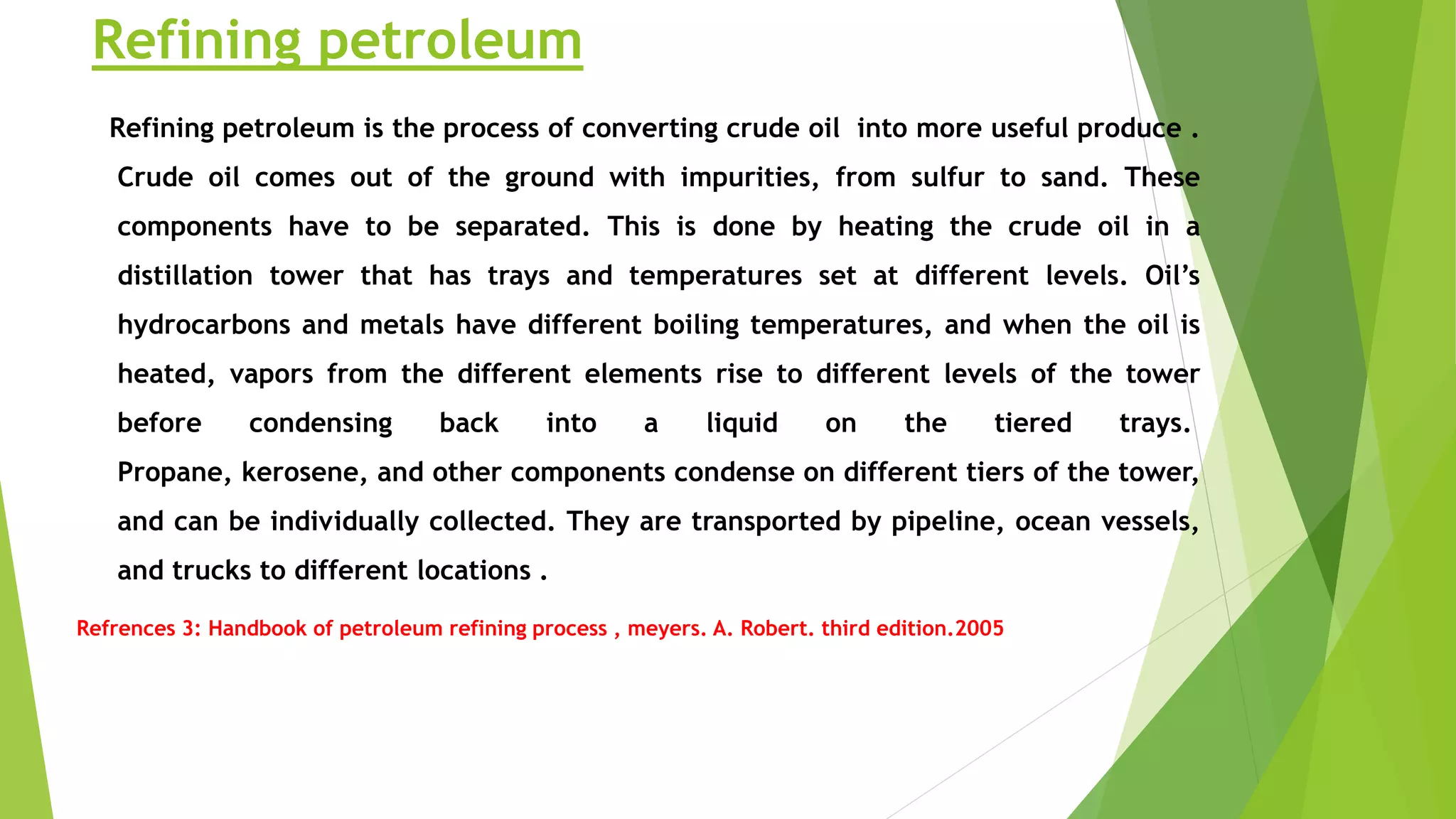
Once the oil is extracted from the ground, it's not quite ready to be used in your car or to heat your home. It's still crude oil, a complex mixture of hydrocarbons. So, it needs to be refined! Refining is like a giant chemistry experiment where the crude oil is separated into different components, like gasoline, diesel fuel, jet fuel, and even plastics.
These different components are then transported to where they're needed, usually by pipeline, tanker truck, or rail car. And finally, they end up at your local gas station or in your home heating system. See? A full circle journey!
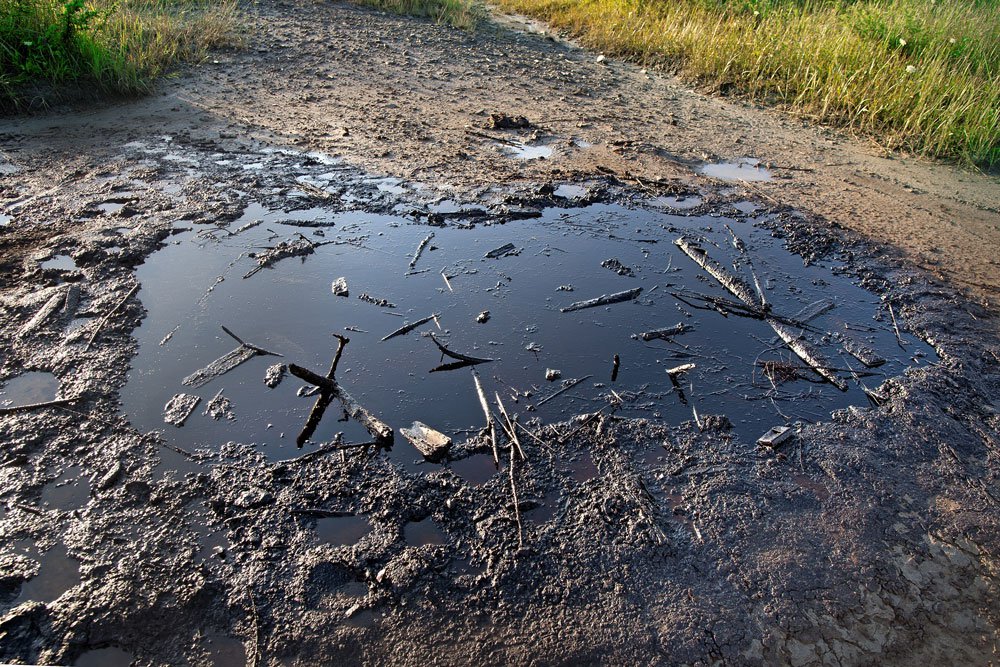
So, the next time you fill up your car or flip on your furnace, take a moment to appreciate the incredible journey that liquid petroleum has taken – from ancient sea creatures to your everyday life. It's a testament to the power of nature, the ingenuity of scientists and engineers, and the complex systems that make our modern world possible.
Isn’t it amazing to think about the sheer scale of it all? The immense pressure, the millions of years, the complicated technology… It’s all intertwined to bring us the energy we use every day. It’s both humbling and incredibly inspiring!
And this is just the tip of the iceberg! There's so much more to learn about petroleum geology, engineering, and refining. Don't be afraid to dive deeper and explore this fascinating field. Who knows, you might even discover your inner oil baron (or baroness!). Go forth and explore the wonders of our planet!
