
When Does Safety 1st Car Seat Expire

Okay, let's chat about something that might make you tilt your head a little: car seat expiration dates. We all know milk goes bad, bread gets moldy, and that carton of yogurt has a 'best by' sticker. But a car seat? The sturdy, plastic contraption that cradles our most precious cargo? Yep, even those have an expiry date, and it’s a super important little detail that often gets overlooked.
Imagine this: you're nesting, prepping for baby's arrival, or maybe a friend offers you their gently used car seat. "Score!" you think, "Saving money and being eco-friendly!" And that's fantastic! But before you click that buckle, there's a little secret ingredient to check: the car seat's shelf life.
So, When Exactly Does a Car Seat "Go Bad"?
Most car seats have a lifespan of about six to ten years from their date of manufacture. Not from the date you bought it, or the date your first child used it, but from the day it rolled off the assembly line. Think of it like a bottle of sunscreen – it’s effective for a certain period, then the ingredients start to break down.
Must Read
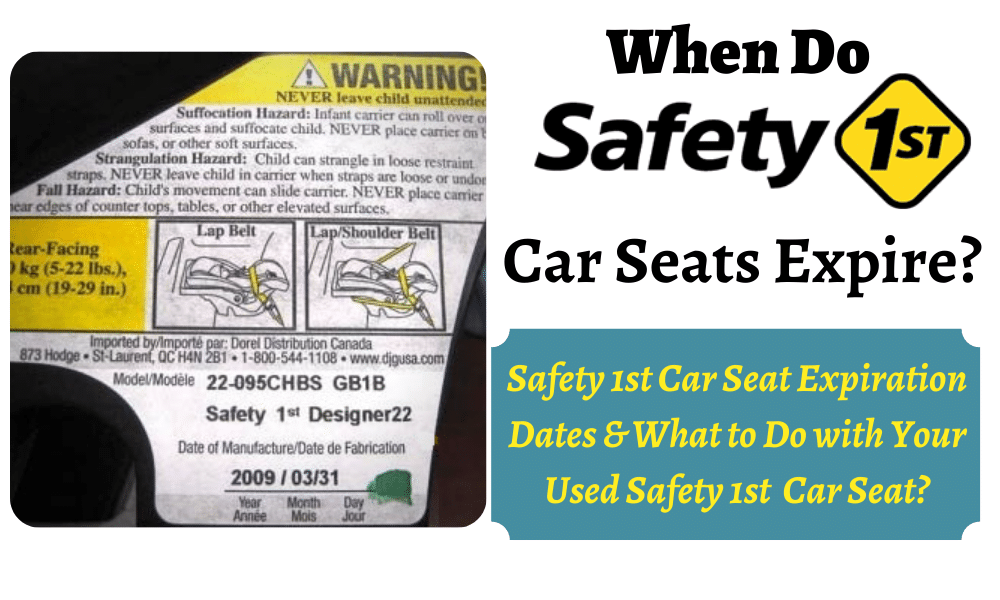
You might be scratching your head, wondering where on earth to find this mysterious date. Don’t worry, it’s not hidden in a secret compartment. Manufacturers usually print it right on a label or sticker. Look on the bottom, back, or side of the seat. Sometimes it’s molded directly into the plastic. You’ll often see a "Date of Manufacture" (DOM) and an "Expiration Date." If there’s only a DOM, then add the typical lifespan (check your specific car seat’s manual for its exact number of years) to figure out its expiry.
But Why Does It Even Matter? It Still Looks Perfectly Fine!
Ah, the million-dollar question! It's true, a car seat might look pristine on the outside, but a lot is happening behind the scenes that makes expiration dates critical. Let's break it down in a way that makes you go, "Oh, that makes sense!"

The "Silent Wear and Tear" Factor
Think about your favorite pair of sneakers. They might look okay from a distance, but after a few hundred miles, the sole is worn thin, the cushioning is gone, and they just don't offer the same support, right? Car seats are similar. Over years of use, they face a lot of silent wear and tear.
- Plastic Fatigue: The plastic shell is constantly exposed to temperature extremes – scorching summer sun, freezing winter nights. This constant expansion and contraction can make the plastic brittle over time. It’s like that old plastic lawn chair that finally cracks when you sit down. A brittle car seat might not hold up as well in a crash.
- Strap Strain: Those vital harnesses and straps are doing a lot of heavy lifting. They're tightened, loosened, tugged, and exposed to spills, crumbs, and sticky fingers (we've all been there!). This can weaken the fibers, making them less secure when you need them most.
- Metal Parts and Buckles: Even metal components can degrade. Springs in buckles can lose their tension, and tiny mechanisms can wear out, making them less reliable at securing your little one.
Safety Standards Get an Upgrade (Like Your Phone!)
Remember that trusty flip phone from 15 years ago? It worked for calls, but it certainly couldn't do what today's smartphones can. Car seat technology and safety standards evolve too! What was considered super safe a decade ago might not meet the rigorous crash test requirements of today. Newer seats often have advanced features and materials that offer better protection.

The "Unseen History"
If you're using a hand-me-down seat, you might not know its full story. Has it been involved in a minor fender bender? Even a seemingly small crash can compromise the structural integrity of a car seat, much like a bicycle helmet after a fall – it might look okay, but its ability to protect is gone. Manufacturers advise replacing a car seat after any crash, even if your child wasn't in it at the time.
Recalls Happen (and You Need to Know!)
Sometimes, a batch of car seats might have a manufacturing defect. If your seat is expired, it’s unlikely you registered it, and thus, you won't receive recall notifications. Registering your car seat (even new ones!) is a quick and easy way to stay informed about any potential safety issues.
So, What Should I Do If My Car Seat is Expired?
First, don't panic! It’s great that you’re checking. If you find your car seat has passed its prime, the best thing to do is retire it gracefully. Don't sell it or give it away. Instead:
- Cut the straps: This prevents anyone else from unknowingly using a compromised seat.
- Write "EXPIRED" on the shell: Again, for safety's sake.
- Check local recycling: Some communities have special car seat recycling programs. If not, dispose of it in a way that ensures it can't be reused.
It might feel a little sad, saying goodbye to a seat that held so many memories, but remember, this is all about keeping your little passenger as safe as humanly possible. Investing in a new car seat or ensuring your current one is up-to-date is a small price to pay for that incredible peace of mind.
So, take a peek at your car seats today. A quick check for that little date could be one of the most important things you do for your child's safety. Happy and safe travels!
