When Does A Hurricane Officially Make Landfall
Ever watched a weather report during hurricane season and heard the words "making landfall" thrown around? It sounds dramatic, right? But have you ever wondered exactly when a hurricane officially makes landfall? It's more than just when the eye of the storm hits the coast, and understanding the nuances can be surprisingly interesting and even helpful!
Why should we care? Well, for starters, knowing when landfall is declared is crucial for emergency responders and communities in the storm's path. It marks a critical shift in the storm's impact and helps them coordinate their efforts. Plus, for those of us who are just weather enthusiasts, it's a fascinating detail that adds another layer to understanding these powerful natural phenomena. It also helps us avoid misinformation and understand the actual timeline of events when we're watching live coverage.
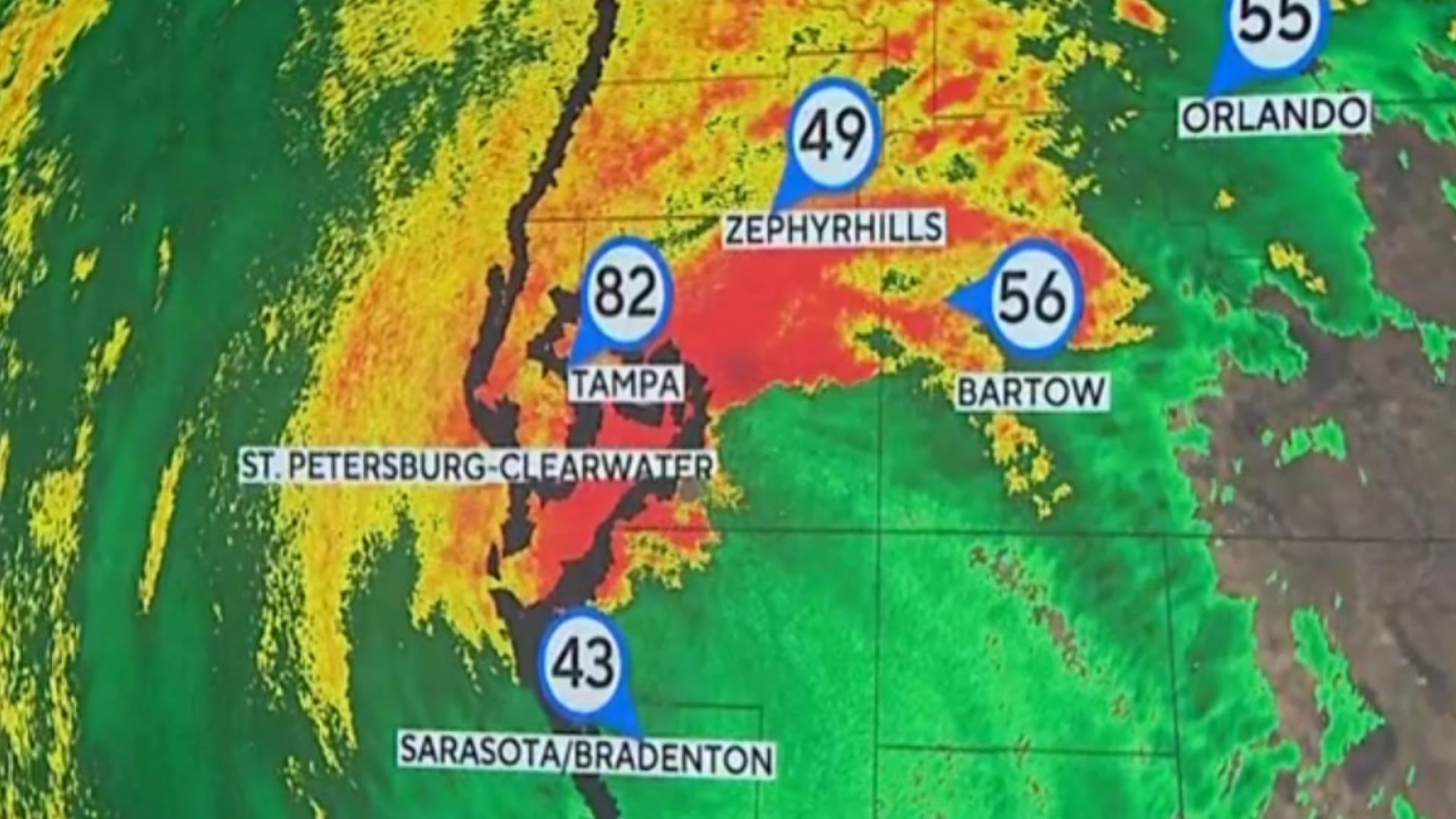
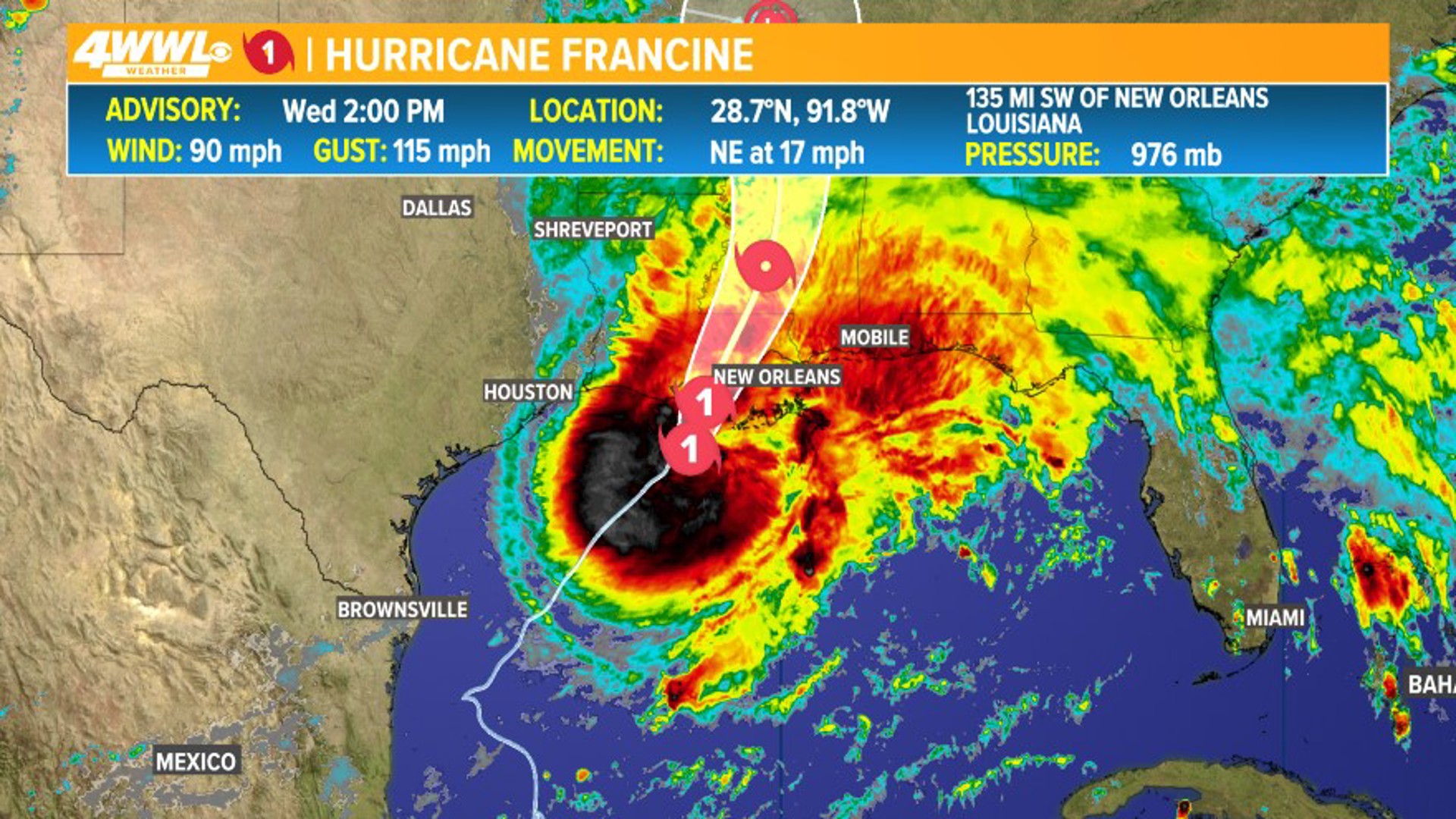
So, what's the definition? A hurricane is said to make landfall when the center of its eye moves across the coastline. Seems simple enough, right? But the key is the eye. The eye is that relatively calm area in the very center of the hurricane. It's surrounded by the eyewall, which contains the storm's most intense winds and heaviest rainfall. Landfall isn't declared when the outer bands of the storm first reach the coast; it's specifically when that central eye crosses the shoreline. Think of it like this: the eye is the hurricane's core, and landfall is when that core physically touches land.
Must Read
The benefit of defining landfall in this way is that it offers a relatively precise point in time to mark a significant event. Before landfall, the hurricane is interacting primarily with the ocean. After landfall, the hurricane's power begins to diminish as it loses its source of energy (warm ocean water). The change in the environment will affect the intensity and structure of the storm. This change is vital for scientists to understand to improve forecasts and models.
In education, understanding hurricane landfall can be incorporated into science lessons about weather patterns, climate change, and coastal geography. Students can track historical hurricane paths, analyze data related to wind speeds and rainfall, and discuss the impacts of landfall on different communities. In daily life, you might use this knowledge to better understand weather forecasts, interpret news reports about approaching storms, or even plan your own travel during hurricane season.

Here are some simple ways to explore this topic further. You can visit the National Hurricane Center's website (nhc.noaa.gov) to view real-time tracking maps of current hurricanes and read detailed discussions about their progress. You can also look up historical hurricane tracks and see where they made landfall. Another fun activity is to watch videos of hurricane landfall and pay attention to how the news reporters describe the event. Pay attention to what they're measuring, like barometric pressure and wind speeds, and how those factors are affected as the eye moves over land.
Understanding when a hurricane officially makes landfall isn't just a matter of semantics; it's a crucial piece of information that helps us prepare for, respond to, and ultimately, better understand these powerful forces of nature.