When Does A Carbon Monoxide Detector Go Off
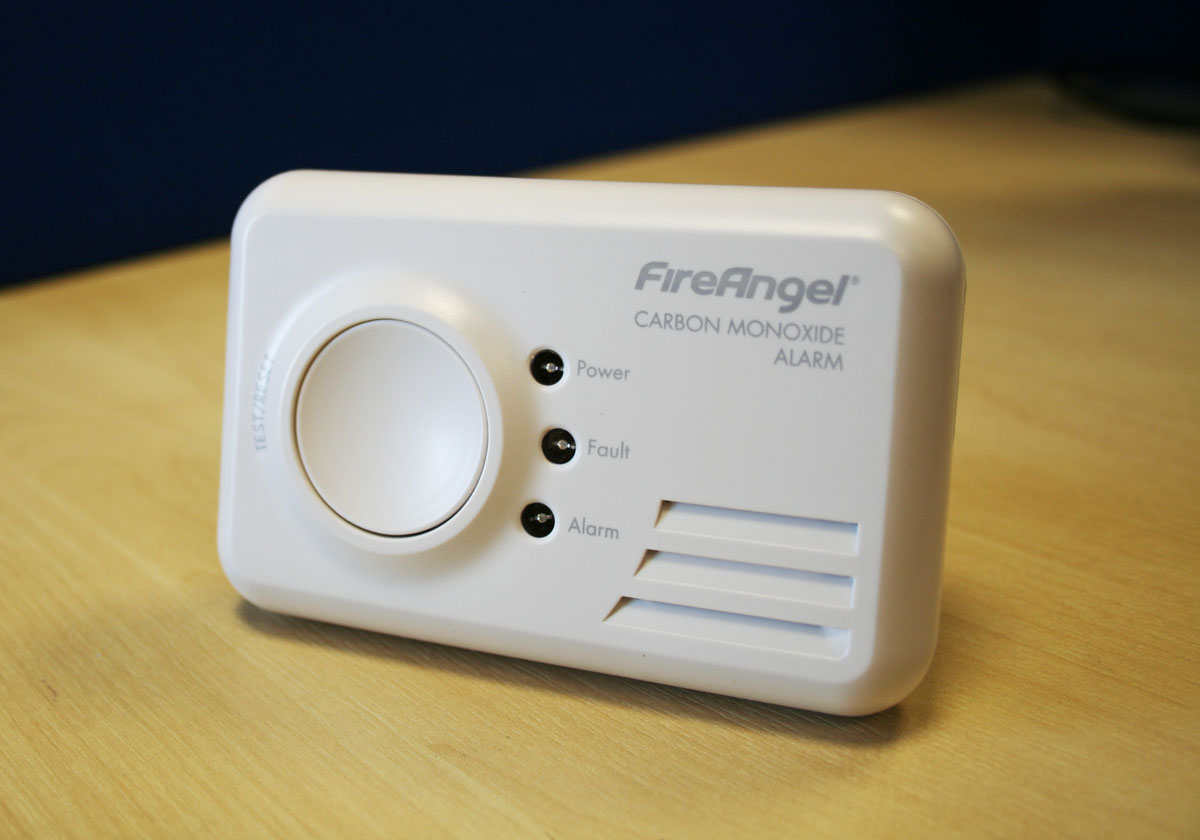
Ever wondered about that mysterious little gadget on your wall or ceiling, silently standing guard in your home? No, not your smoke alarm, that loudmouth! We're talking about the unsung hero, the quiet guardian: your Carbon Monoxide detector! This clever contraption isn't just a pretty face; it’s a tiny, vigilant ninja, sniffing out an invisible villain that no human nose can detect. But when does this silent sentinel actually decide to throw a fit and blast its alarm? Let’s dive into the fascinating, slightly dramatic life of your CO detector!
Meet Your Invisible Guardian!
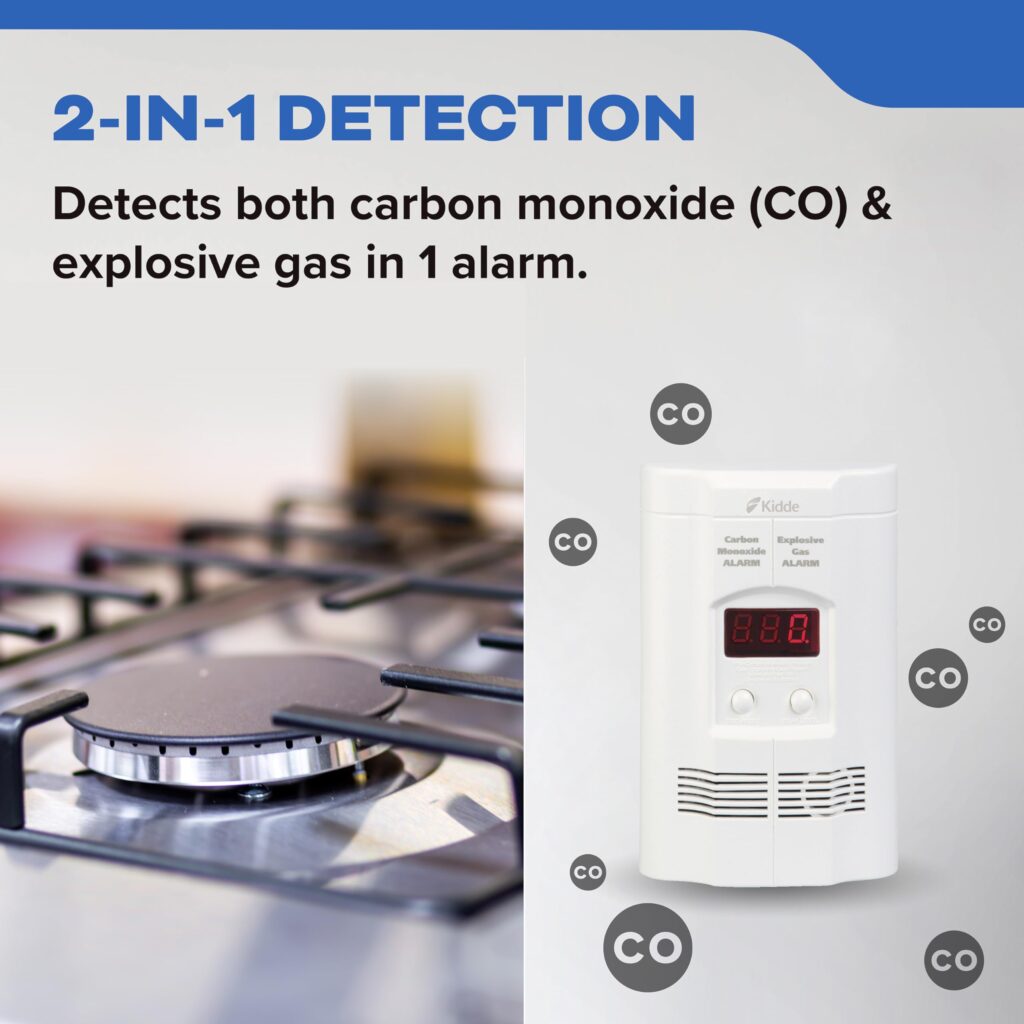
First, a quick intro to the "bad guy" our hero is fighting: carbon monoxide, or CO for short. Imagine a super sneaky, utterly odorless, colorless, and tasteless gas. It’s like the ultimate party crasher that nobody sees or hears coming, but oh boy, does it cause a ruckus once it's in! This gas is produced when fuels like gas, oil, wood, or charcoal don't burn completely. Think of a grumpy old furnace, a busy gas stove, or even a car running in an enclosed space. CO loves to hang out where it shouldn't, and that's where our detector steps in.
It's Not a Drama Queen (Unlike Some Smoke Alarms)
Unlike your smoke alarm, which practically has a meltdown if you even think about burning toast, your CO detector is a bit more discerning. It’s not going to scream at you because you left the bathroom fan on too long or because your partner is cooking something… interesting. Your CO detector is specifically calibrated for one thing: detecting carbon monoxide. So, no, it won't judge your culinary mishaps, your overly enthusiastic hairspray routine, or even your dog's questionable farts. It’s got a very specific job, and it takes it seriously.
Must Read
"No, it won't judge your burnt popcorn like your smoke alarm does. It's too busy looking for the truly invisible troublemaker!"
So, When Does This Clever Gadget Sound the Alarm?
This is where things get interesting! A CO detector doesn't just go off the instant it sniffs a single molecule of CO. Instead, it works on a clever system of measuring the concentration of carbon monoxide in the air over a period of time. Think of it like a smart meter that understands both "how much" and "how long."

The "Whisper" Warning: Low Levels, Long Time
Imagine a tiny amount of CO, just a whisper of the invisible villain, lingering in your home. Your detector is like a super-sensitive bloodhound, sniffing out even low concentrations. If these low levels (say, around 30-70 parts per million, or ppm) stick around for a while – like several hours – your detector will eventually decide it's time to speak up. This is its way of saying, "Hey, something’s not quite right here, and it's been going on for a bit. Let's not let this sneak build up!" This is super important because even low levels of CO over an extended period can be harmful, making you feel drowsy, headachy, or generally "off." It’s like a tiny, gentle nudge to check things out before they escalate.
The "Shout" Warning: Higher Levels, Faster Action
Now, if the invisible villain starts to get bolder and the concentration of carbon monoxide in the air ramps up – say, to 150 ppm or more – your detector switches from a gentle nudge to a full-blown emergency alert! At higher concentrations, it will sound its alarm much, much faster, often within minutes. This is its way of screaming, "Get out! NOW!" because high levels of CO can quickly overwhelm you, leading to serious illness or worse. It’s a literal lifesaver, designed to give you precious time to react.

What causes these CO spikes? Common culprits include a faulty furnace, a clogged chimney, a back-drafting water heater, or even a car left idling in an attached garage (a big no-no!). Generators used indoors during a power outage are also notorious for producing dangerous levels of CO. Basically, anything that burns fuel and isn't venting properly can be a potential source.
Alarm Bells Ringing! Now What?
If your CO detector starts its siren song, don't panic, but DO act fast! First things first: get everyone (and pets!) out of the house and into fresh air immediately. Don't waste time trying to find the source or open windows from inside. Once you're safely outside, call your emergency services (like 911 in the US) or your local gas company. They have the right equipment to safely investigate the source and clear your home. Remember:

"Fresh air is your new best friend! Don't be a hero, just get out!"
Keeping Your Hero Happy
To ensure your carbon monoxide detector is always ready to save the day, give it a little love! Test it regularly (usually a button push away) and change its batteries as recommended by the manufacturer, often when you change the clocks for daylight saving time. If it’s a plug-in unit, make sure it’s always connected. Most detectors have a lifespan of about 5-7 years, so check the "replace by" date on the back of the unit. A happy detector is a vigilant detector!
So there you have it! Your CO detector isn't just a random blinking light; it's a sophisticated, life-saving device that understands the difference between a lingering whisper and an urgent shout. It’s a silent guardian, a watchful protector, ensuring your home stays safe from an invisible foe. Give it a high-five (or at least a periodic test) for being such an awesome, invisible superhero in your everyday life!