
When Did Electricity In Homes Become Common

Imagine a world lit by flickering gas lamps, where plugging in your phone meant... well, nothing, because phones didn't exist yet! We're talking about a time before electricity became the everyday superpower we take for granted.
So, when did our homes finally get zapped with the good stuff? Let's rewind the clock and see when the lightbulb moment (pun intended!) really happened.
The Dawn of Illumination: A Slow Burn
The story starts in the late 1800s. Think top hats, bustles, and folks marveling at the latest invention: the incandescent light bulb. The great Thomas Edison gets a lot of credit (and rightly so!), but there were other bright sparks too, like Joseph Swan, working on similar ideas.
Must Read
The very first houses to embrace electricity were, unsurprisingly, those of the wealthy. Imagine being the Joneses and showing off your electric chandelier while the Smiths down the street still fumbled with kerosene lamps! Talk about keeping up with the wattage!
In 1882, Edison flipped the switch on the world's first public electricity generating station in New York City. This was the start of something big. However, it was very, very slow going.
Early Adoption: A Luxury, Not a Necessity
Getting electricity wasn't like ordering takeout. It was a major infrastructure project. You needed power plants, wiring, and someone to actually install the darn thing in your house.
For a long time, electricity remained a luxury. Only the well-to-do could afford it. The average family still relied on gas for lighting and wood or coal for heating.

Picture this: Your great-great-grandparents huddled around a fireplace, reading by the dim light of a gas lamp, dreaming of the day they could ditch the smelly fumes and join the electric revolution!
The 20th Century Sparks to Life
The early 20th century is where things really began to heat up. (Another electrical pun, sorry, not sorry!). As technology improved and the cost of electricity decreased, more and more homes joined the grid.
The introduction of appliances played a huge role. Think electric irons, washing machines, and even early refrigerators. These weren't just conveniences; they were game-changers.
Suddenly, housework wasn't quite so back-breaking. Ladies could iron without nearly burning down the house! And, best of all, food could be kept cold for longer!
Rural Electrification: Bringing Light to the Countryside
While cities were buzzing with electricity, rural areas lagged behind. It was simply too expensive to run power lines to remote farms and villages.
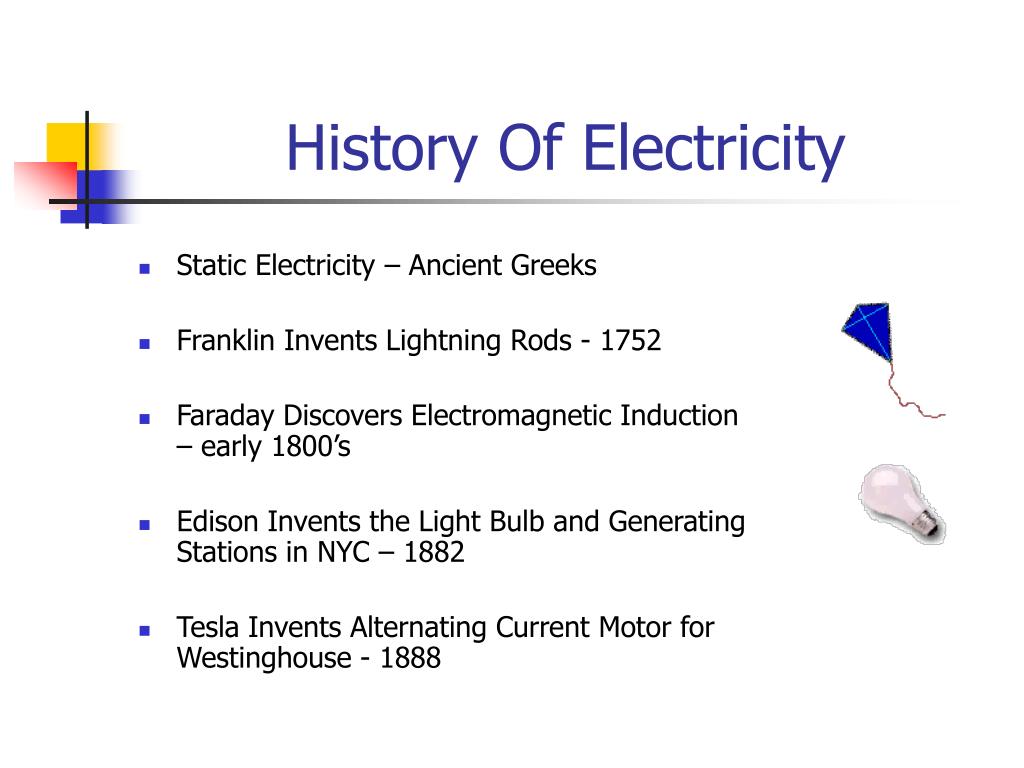
In the United States, the Rural Electrification Administration (REA), established in 1936 as part of the New Deal, changed everything. The REA provided loans and assistance to bring electricity to rural areas.
Can you imagine the excitement when those power lines finally reached those farms? No more kerosene lamps! No more hand-cranked washing machines! It was a truly transformative moment.
The Post-War Boom: Electrification for All
The post-World War II era saw a massive surge in homeownership and consumerism. Electricity became increasingly affordable and accessible.
Suburbs sprang up like mushrooms after a rain shower, each house equipped with the latest electric gadgets. Toasters, televisions, and vacuum cleaners became commonplace.
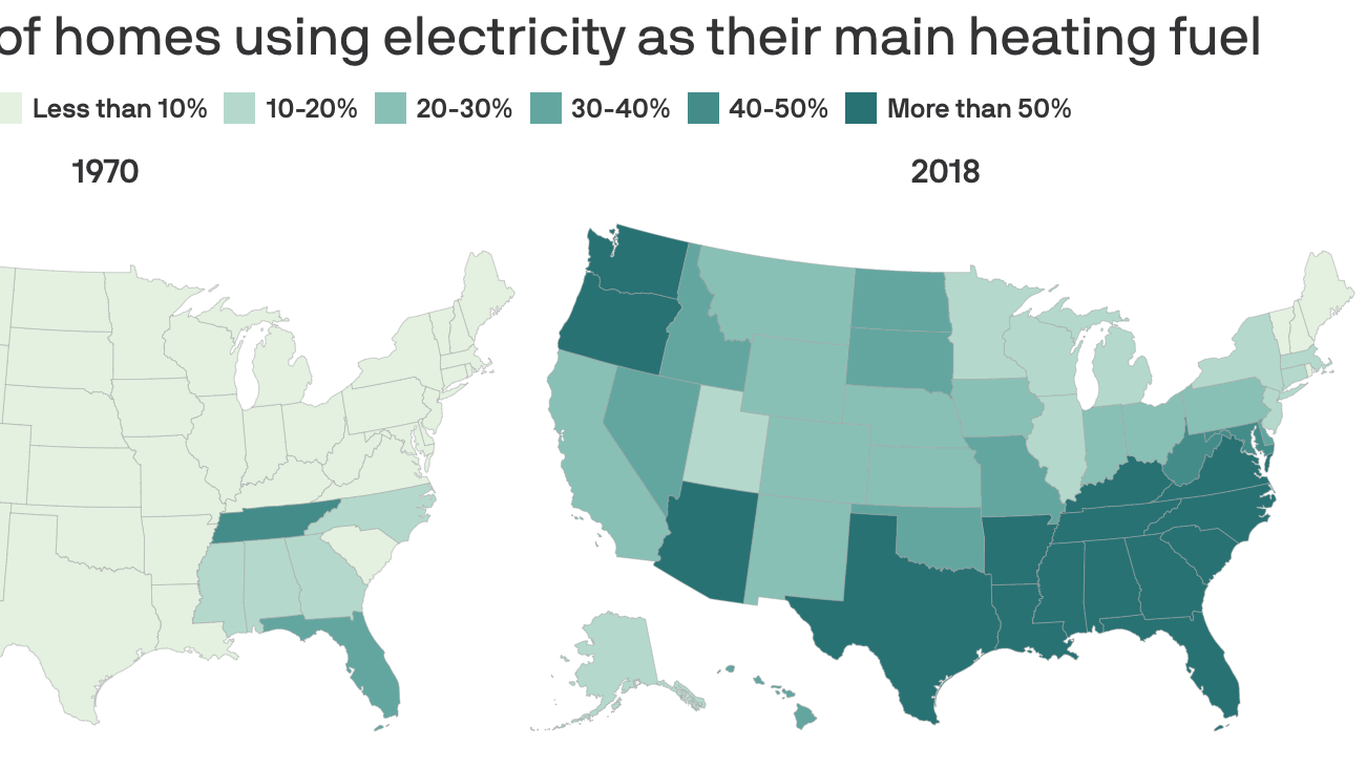
Homes became showcases for electrical innovation. The "American Dream" now included a fully electrified kitchen and a living room bathed in the warm glow of a television screen.
The Late 20th Century: Electricity is King (and Queen!)
By the late 20th century, electricity had become an absolute necessity. Life without it was unimaginable.
Power outages became major events, reminding us just how much we relied on this invisible force. Suddenly, we couldn't cook, cool our homes, or even charge our phones! (Gasp!).
From powering our lights and appliances to running our computers and the entire internet, electricity had become the lifeblood of modern society.
So, When Did It Really Become "Common"?
That's the million-watt question! There's no single date, but we can pinpoint key periods.
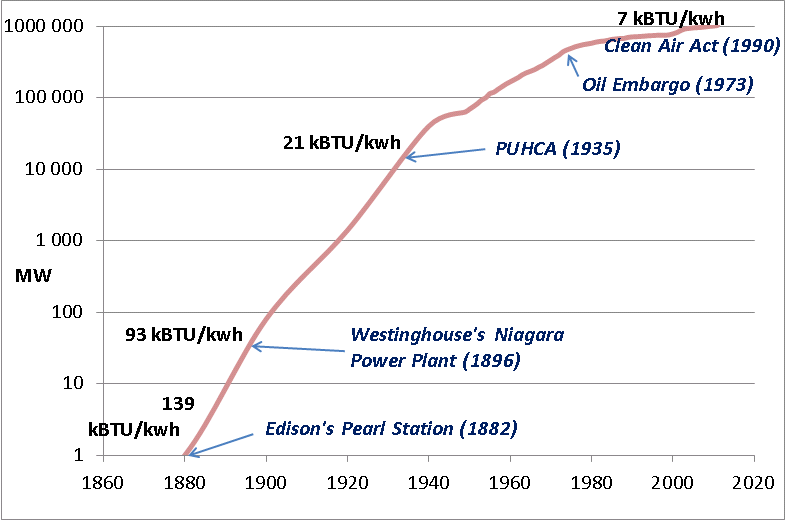
The early 1900s saw the initial adoption by wealthier households. The mid-20th century, particularly after World War II, witnessed widespread electrification across urban and suburban areas.
And the REA brought it to rural areas in the late 1930s and 1940s. By the 1950s and 60s, electricity was pretty much a standard feature in most American homes.
A Grateful (and Electrified) Conclusion
So, next time you flip a light switch or plug in your phone, take a moment to appreciate the long and fascinating history of electricity in our homes. It wasn't always this way!
Think about your ancestors who lived in a world of darkness and manual labor. They would be absolutely amazed by the conveniences we enjoy today.
And be grateful for the folks like Edison and the unsung heroes of the REA who helped bring the spark of electricity to every corner of our world. Because without it, we'd all be sitting in the dark… literally!