
When Did Electricity Become Common In The Us

Alright, gather 'round, folks! Let's talk about electricity. Not like, "Oh, static cling is SO annoying," but like, "When did we all stop living in the dark ages, literally?" Because, trust me, before electricity, life was basically one long, flickering candlelit dinner... every... single... night.
Now, you might think it was like, BAM! One day, everyone woke up and flipped a switch and BOOM, instant enlightenment. But nope! Like most things in history, it was a slow, sometimes hilarious, and often ridiculously inefficient process.
The Dawn of Sparky: The Late 1800s
So, let's rewind to the late 1800s. Think handlebar mustaches, bustles, and a general fear of anything that sounded remotely scientific. This is when electricity started to become a "thing," a weird and wonderful novelty for the rich and adventurous.
Must Read
The very first electric streetlights? Cleveland, Ohio, 1879. Bet they were the envy of every other city! Can you imagine the town gossip? "Oh, Mildred, have you seen Cleveland? It's practically daytime at midnight! They have these… these… electric orbs! It's simply divine!"
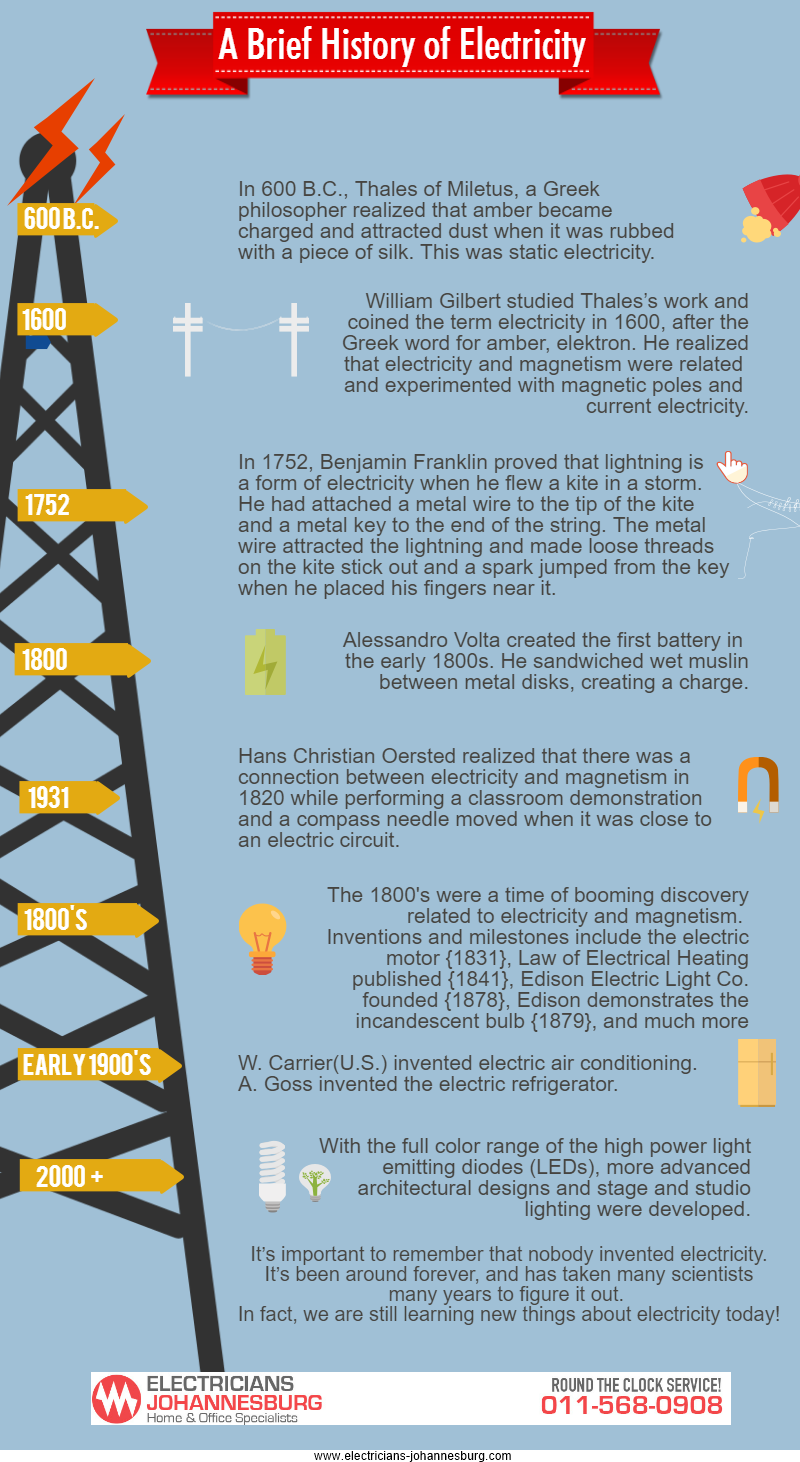
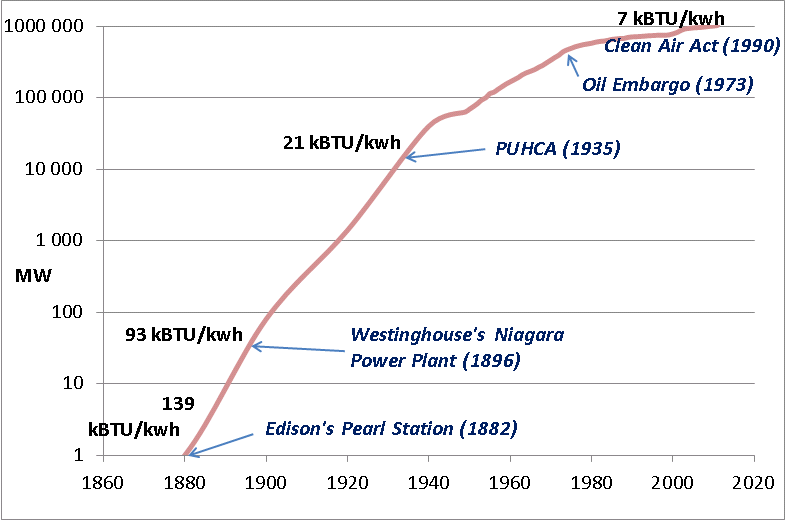
Then came Thomas Edison, our buddy with the lightbulb. Not only did he create a practical lightbulb, but he also figured out how to create a whole power system. Seriously, the guy was a legend. He built the first commercial power station in New York City in 1882. Think of it as the original iPhone launch, but instead of lines for a phone, it was people lining up to get their houses wired. Probably less screaming, though.

But here's the thing: initially, electricity was crazy expensive. Like, “sell your horse and carriage to afford a single lightbulb” expensive. So, it was mainly for the ultra-rich, factories that needed power, and fancy department stores trying to lure in customers with the dazzling glow.
The Early 1900s: Power to the People (Sort Of)
As the 1900s rolled around, electricity started creeping its way into more homes, mostly in cities. But it was still a luxury. We're talking about homes that probably already had indoor plumbing (another luxury at the time!). Think about it: if you were still using an outhouse, you probably weren't too worried about electric lighting. Priorities, people, priorities!
By 1920, only about 35% of homes in the US had electricity. That means most folks were still relying on kerosene lamps, which, let’s be honest, were basically miniature fire hazards just waiting to happen. Talk about living on the edge! And the smell! Imagine a world that smelled perpetually of kerosene...shudders
The funny thing is, even when electricity became available, some people were terrified of it! They thought it was some kind of dangerous, invisible force that would fry their brains or set their houses on fire. Which, to be fair, early electrical wiring was pretty dodgy. I mean, we're talking about technology in its infancy. It’s a wonder more houses didn't spontaneously combust.
The Rural Electrification Act: Let There Be Light (Everywhere!)
Now, here's where things get really interesting. A huge portion of the US population lived in rural areas, and they were basically left in the dark (pun intended). Private companies didn't want to invest in wiring up the countryside because it wasn't profitable. I can see the board meetings now: “We’d have to run miles of wire for, like, two customers! Absolutely not! More champagne, please!”
Enter Franklin D. Roosevelt and the Rural Electrification Act (REA) of 1936. This was a game-changer. The government basically said, "Alright, fine, we'll do it ourselves!" They provided loans and assistance to rural communities to build their own electrical systems. Think of it as the ultimate DIY project, but on a massive scale. They had to cut through forests, set up power poles, and convince people that electricity wouldn't turn them into crispy critters.
The REA was wildly successful. By the 1950s, almost 90% of rural farms had electricity. Suddenly, rural families could have refrigerators, radios, and, yes, even televisions! It completely transformed life in rural America. No more churning butter by hand (unless you wanted to, of course)!
The Bright Future: Electricity For All
So, when did electricity become common in the US? It was a gradual process, a slow burn (again, pun intended!). But really, it was the REA that truly democratized electricity, bringing it to the masses and making it the ubiquitous part of our lives that it is today.
Next time you flip a switch, take a moment to appreciate the long and sometimes wacky journey it took to get that light on. Think of Thomas Edison, the terrified villagers, and the hard-working folks of the REA. And maybe, just maybe, be grateful you don’t have to smell kerosene every day.