When Did 3d Printing Come Out
Ever gazed at a quirky, custom-made gadget or a beautifully intricate model and thought, "Wow, 3D printing is such a futuristic technology!" It often feels like something straight out of a sci-fi movie, arriving on the scene only recently. But here's a fun little secret: the roots of 3D printing stretch back a lot further than you might imagine, inviting us on a curious journey into its surprisingly deep past. Understanding when this fascinating tech emerged not only satisfies our inner history buff but also helps us appreciate its incredible evolution and potential today.
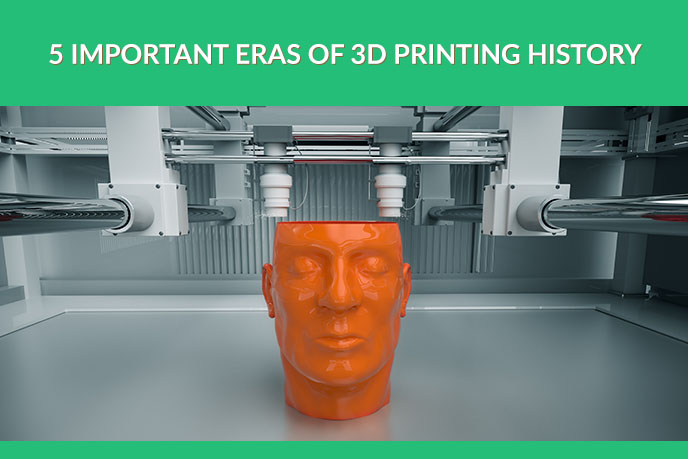
At its heart, 3D printing is all about additive manufacturing. Instead of carving away material from a larger block (like traditional sculpting or machining), 3D printers build objects layer by tiny layer, adding material precisely where it’s needed. This method offers incredible benefits: it allows for the creation of incredibly complex geometries that would be impossible otherwise, reduces waste, and enables rapid prototyping and customization like never before. Imagine designing a unique part for your bike, pressing a button, and having it materialize before your eyes!
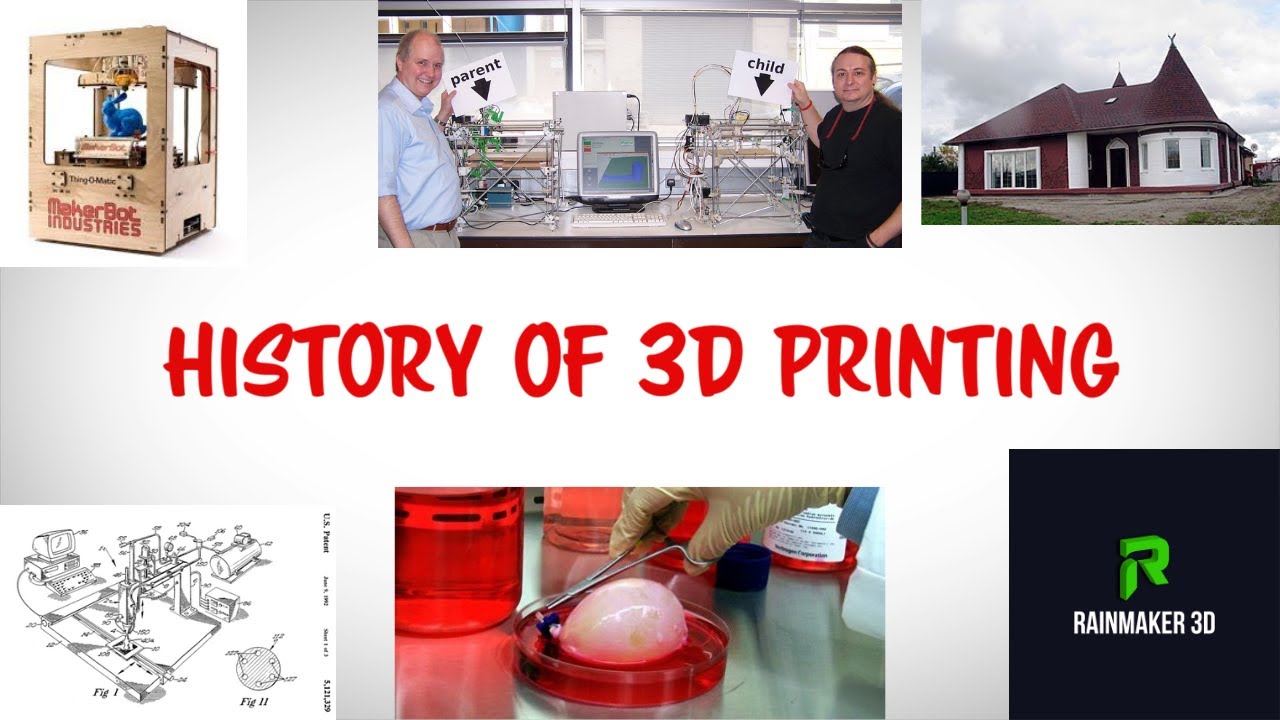
So, when did this marvel actually "come out"? While various concepts for layered manufacturing existed earlier, the practical birth of what we recognize as 3D printing largely occurred in the mid-1980s. A brilliant engineer named Charles Hull is widely credited with inventing the first 3D printing technology and coining the term "stereolithography" (SLA). He filed his patent for the stereolithography apparatus (SLA) in 1984, which used UV light to cure photopolymer resins layer by layer. His company, 3D Systems, was founded in 1986, launching the first commercial SLA machine a couple of years later. Not long after, in 1988, Scott Crump patented Fused Deposition Modeling (FDM), the technology often found in today's more common desktop printers, which melts and extrudes plastic filament.
Must Read
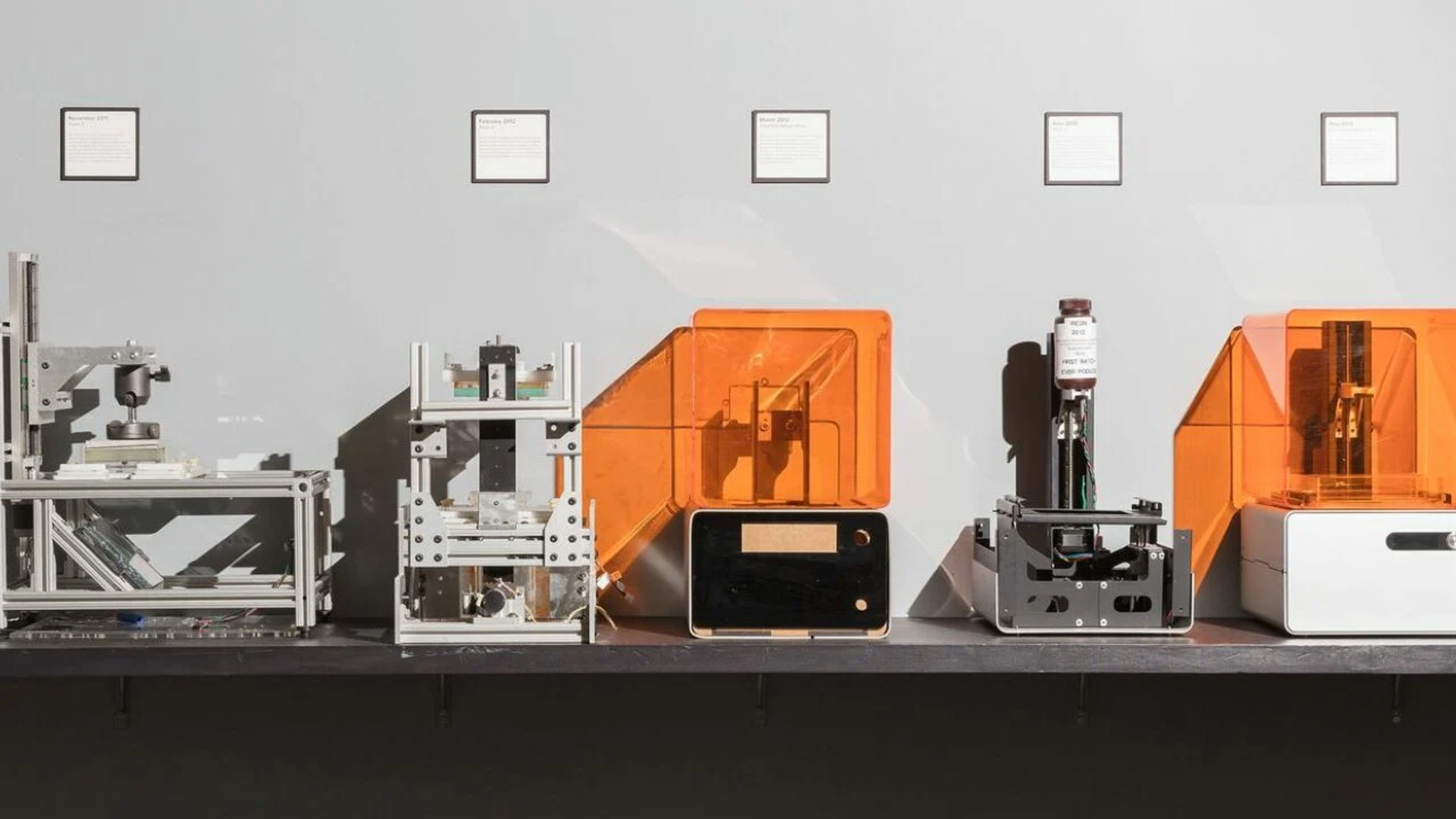
From those foundational patents in the 1980s, 3D printing spent decades primarily as an industrial tool for expensive rapid prototyping in design and manufacturing firms. It was a specialist's toy, far out of reach for the average person. However, as patents expired and technology advanced, the barriers to entry slowly crumbled. The past decade, especially, has seen an explosion in accessibility, transforming it from an industrial secret into a more widespread, even domestic, possibility. This journey from large, complex machines to relatively affordable desktop models is truly remarkable.

Today, 3D printing is no longer confined to factories. In education, it's a fantastic tool for bringing abstract concepts to life, allowing students to print anatomical models, architectural designs, or even custom scientific equipment. In daily life, its applications are incredibly diverse: from printing custom phone cases, board game pieces, and broken appliance parts to creating intricate jewelry, medical prosthetics, and even entire houses! The ability to download a design and fabricate an object on demand is incredibly empowering.
Curious to explore this magic yourself? It’s easier than ever! A simple way to start is by visiting websites like Thingiverse or MyMiniFactory, which host thousands of free 3D models you can download. Many local libraries and makerspaces now offer 3D printing services for a small fee, letting you print your chosen designs without investing in a printer. If you're really bitten by the bug, entry-level FDM printers are surprisingly affordable these days, offering a fantastic hands-on learning experience. Dive in and see what you can create!