
When Charging A Car Battery Which Terminal First

Okay, so you're tackling the mystery of the depleted car battery. Good on you! But before you unleash the charging power, there's a little ritual we need to discuss: which terminal gets the love first? Positive or negative? Does it really matter?
The Curious Case of the Charging Cables
Honestly, it's a question that probably pops into everyone's head at some point. It feels like one of those rules that's passed down through generations of car owners, like knowing which way to turn a stubborn bolt (lefty loosey, righty tighty!). But unlike the bolt rule, this one involves electricity, and electricity… well, it deserves a little respect, right?
Think of it like this: you're about to give your car's battery a much-needed boost of energy, a little electric coffee if you will. But like making coffee, there’s a specific order to things. You wouldn't pour the milk in before the grounds, would you? (Okay, maybe some people would... but it's generally not recommended!).
Must Read
Positive First, Negative Last: Why?
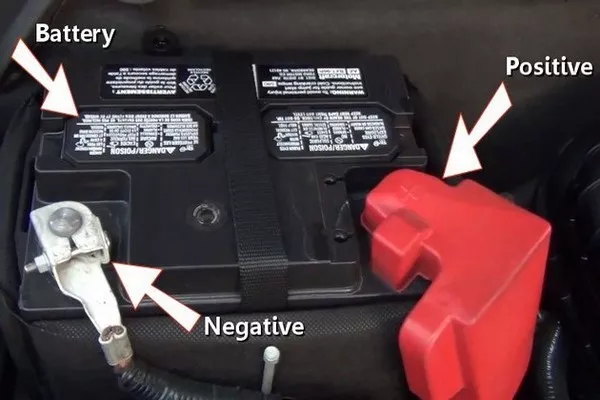
So, what's the reasoning behind connecting the positive (+) cable first and the negative (-) cable last when hooking up a charger? Is it just some weird tradition, or is there actual science at play?
The key word here is grounding. See, most car frames are connected to the negative terminal of the battery. They're "grounded." Connecting the negative cable of your charger to the car's frame before the positive cable could potentially create a circuit and, if things aren't quite right, a spark. And nobody wants sparks flying around a battery, especially one that might be venting hydrogen gas! Hydrogen plus sparks equals… well, let's just say it's not a party you want to attend.

Essentially, you want to minimize the risk of creating a spark near the battery.
Connecting the positive terminal first makes it so that when you connect the negative terminal (ideally to a grounded metal part of the car's frame away from the battery), even if there is a spark, it's less likely to be near the battery itself.

What Happens If I Do It Backwards?
Okay, okay, so you're wondering, what really happens if you connect the negative cable first? Will your car explode? Probably not. Will you unleash some sort of electrical apocalypse? Highly unlikely.
However, you do increase the risk of creating a spark near the battery. It's like walking on the edge of a cliff. Most of the time, you'll be fine. But one wrong step… well, you get the idea. It's simply safer to do it the recommended way.
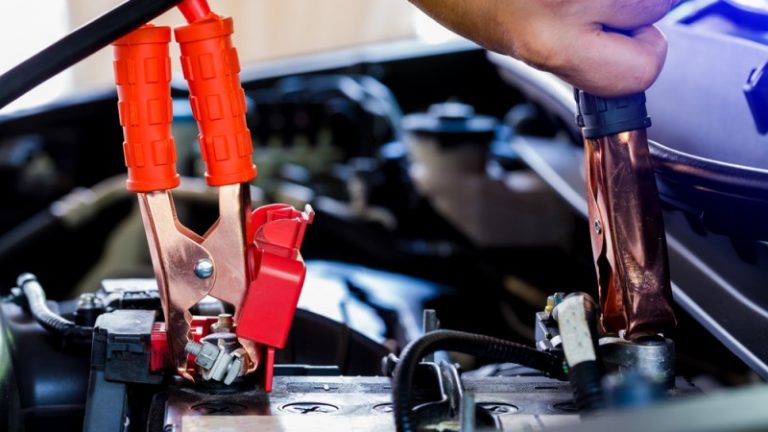
The Disconnect Dance: A Reverse Performance
When disconnecting the charger, you essentially perform the connection process in reverse. Negative off first, then positive. This continues the logic of minimizing the risk of accidental sparks near the battery when breaking the connection.
Think of It Like Baking
Let's say you're baking a cake. You add the ingredients in a certain order, right? Flour, sugar, eggs, maybe some chocolate chips (yum!). You wouldn't just chuck everything in the bowl at once, would you? (Okay, maybe you would... but the results might be questionable!). Similarly, connecting and disconnecting a car battery charger is a sequence designed to minimize potential problems.
Safety First, Always!
Look, dealing with car batteries involves electricity and potentially explosive gases. Always wear safety glasses and gloves when working with a battery. And if you're unsure about anything, don't hesitate to consult a professional. Better safe than sorry, right?
Ultimately, remembering to connect positive first, negative last (and the reverse when disconnecting) is a simple habit that can make a big difference in terms of safety. It's a small step you can take to avoid potential problems and keep your car (and yourself) happy and healthy. Happy charging!
Now, go forth and conquer that dead battery! Just remember, positive vibes first! 😉