
What's The Tax Rate In Texas
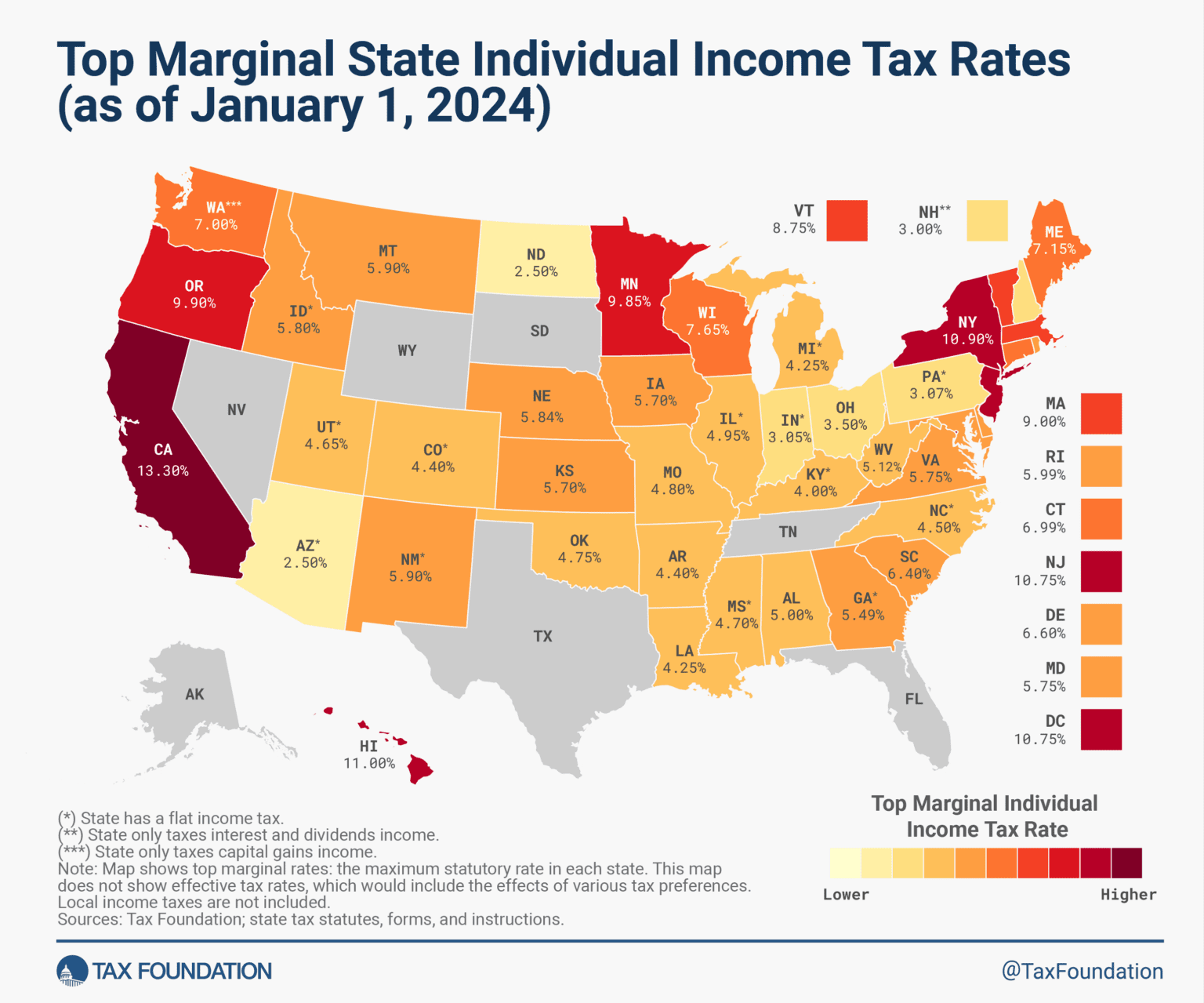
Texas. It's a land of wide-open spaces, delicious BBQ, and a spirit as big as its borders. When folks think about living here, they often hear whispers of something pretty sweet: no state income tax. And guess what? Those whispers are true!
That's right, when payday rolls around in the Lone Star State, your paycheck isn't hit with a chunk for state income tax. It’s a bit like finding an extra twenty in an old pair of jeans – a delightful surprise for many who move here.
This big absence of a state income tax is probably the most striking thing about the Texas tax landscape. It means more of your hard-earned cash stays right there in your pocket, ready for that next rodeo or a plate of brisket.
Must Read
But before you start picturing a completely tax-free paradise, let’s be real. Every state needs funds to build roads, educate kids, and keep the lights on. So, while income tax is out, Texas gets its share of contributions in other ways.
Think of it like choosing different flavors of ice cream. Some states pick "income tax" as their main scoop. Texas, however, goes for a big double-dip of "sales tax" and "property tax."
The Scoop on Sales Tax: That Little Extra at the Register
When you're out and about in Texas, grabbing a new pair of cowboy boots, a cool souvenir, or a shiny gadget, you'll encounter the sales tax. This is probably the most common tax you'll interact with, a small percentage added to most purchases.
The base rate for sales tax across the state is 6.25%. But here's where it gets a little more local, like different towns having their own secret sauce recipe for BBQ.
Cities, counties, and special districts can add their own local sales tax on top of that state rate. This means that while you might pay one rate in, say, Houston, it could be slightly different in Dallas or a small town like Fredericksburg.
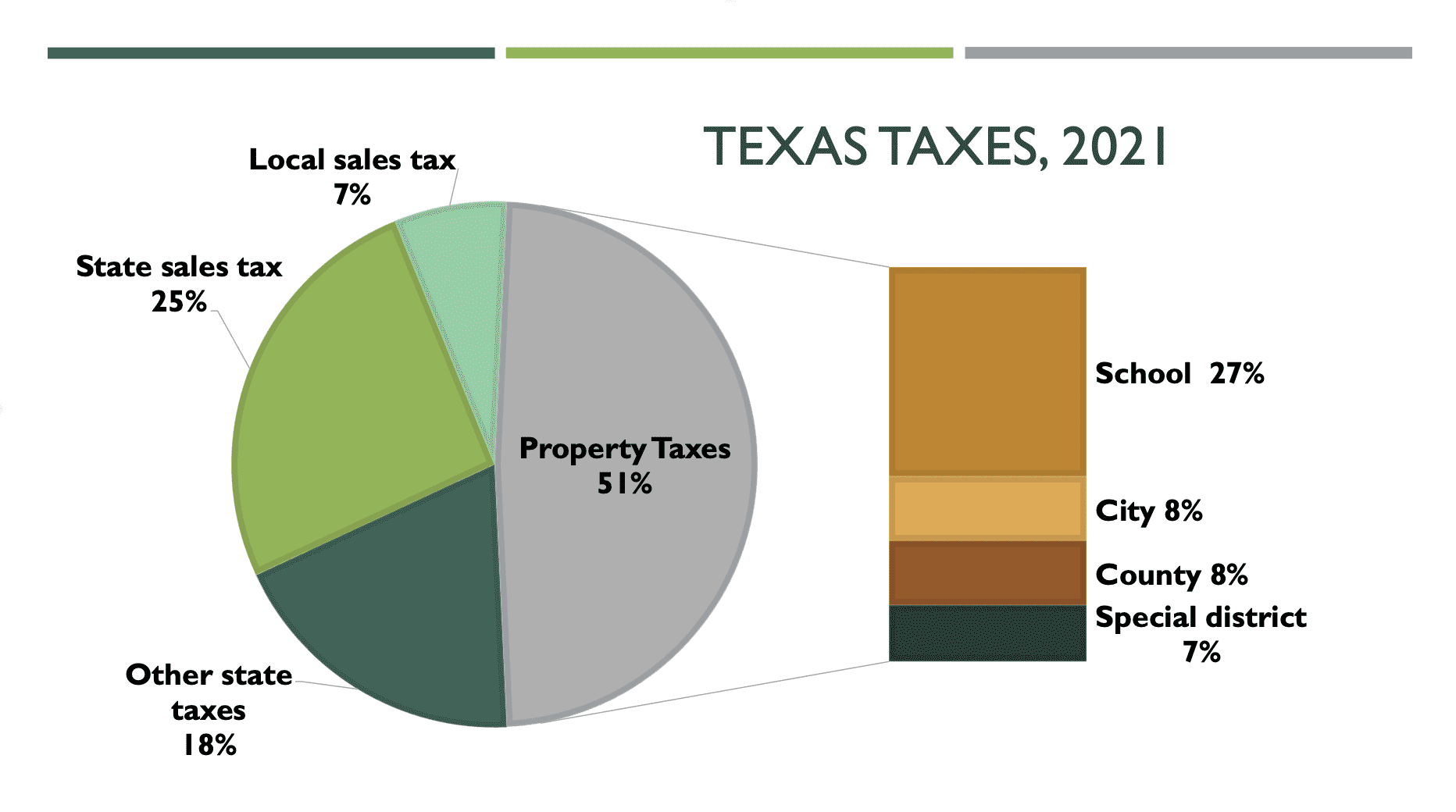
Typically, the combined sales tax rate in most Texas cities hovers around 8.25%. It’s something you get used to, a small percentage that helps fund those local libraries and community parks you enjoy.
There's a fun little exception, though! Most groceries, the kind you buy to cook meals at home, are exempt from sales tax. So, stock up on that chili meat and tortillas without the extra charge.
Imagine buying all the ingredients for a backyard cookout – the steak, the buns, the potato salad – and not paying a dime in sales tax on those essentials. It feels like a small win, a nod to the importance of a good family meal.
Services, for the most part, also escape sales tax. Getting your hair cut, having your car repaired, or hiring a plumber generally won't have that extra percentage tacked on. It’s a nice perk.
"It's like Texas says, 'We want you to eat well and keep your car running, so we'll cut you a break there!'"
Property Tax: Funding Our Hometowns
This is where Texas really makes up for not having an income tax. If you own a home, a business, or even a piece of land here, you'll pay property taxes.
Unlike sales tax, which is pretty straightforward, property taxes can feel a bit more complex. They’re assessed by local government entities – your city, county, school district, and sometimes other special districts.
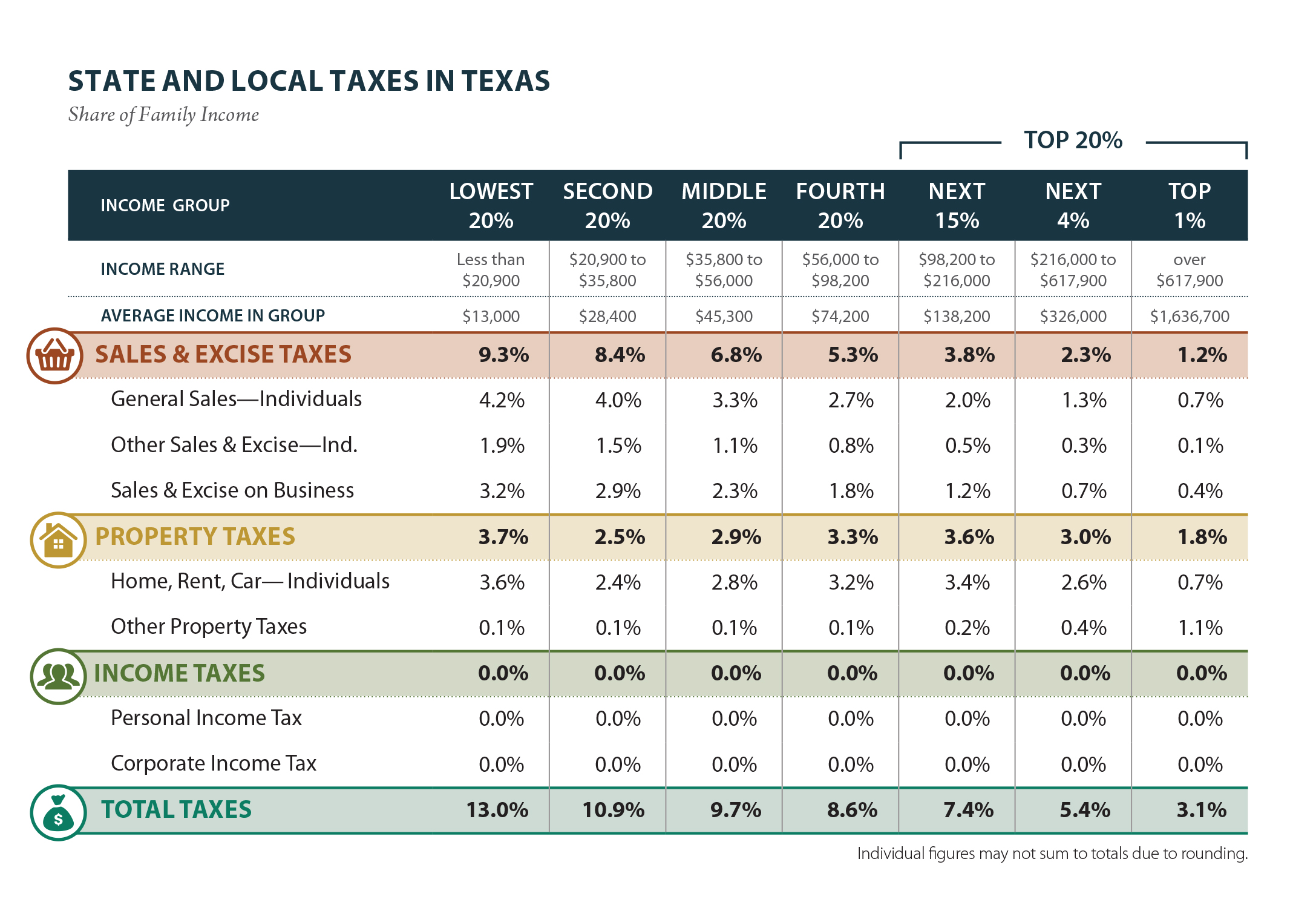
These taxes are a huge source of funding for things close to home. Think about the local schools where kids learn, the police and fire departments keeping communities safe, and the roads you drive on every day.
Property tax rates are expressed as a dollar amount per $100 of your home's assessed value. For example, a rate of $2.50 per $100 means you’d pay $2.50 for every $100 your property is worth.
And those assessed values? They can change! Your local appraisal district determines the value of your property, which then influences how much you pay. It’s a system designed to reflect the local real estate market.
Because so many different local entities levy property taxes, the overall rate can vary significantly from one county to another, or even between neighborhoods in the same city. It’s very much a hyper-local affair.
One charming aspect is how these funds truly shape your immediate surroundings. That brand-new park down the street, the upgraded playground equipment, or the fresh paint at the community center? Often, property taxes helped make it happen.

It's a direct way that your contribution helps build up the very place you call home. You can often see the tangible results of your property taxes in your own community, which can be pretty heartwarming.
A Few Other Not-So-Hidden Gems
Texas also has some other taxes, though they usually don't impact the average person as directly as sales or property taxes. For instance, there's a fuel tax that helps maintain our sprawling highway system.
And if you enjoy adult beverages, you’ll find excise taxes on things like beer, wine, and spirits. These are often included in the price, so you might not even notice them as a separate line item.
For businesses, there's a franchise tax, sometimes called the "margins tax." It's a way for businesses to contribute to the state's coffers, ensuring a healthy economic environment for everyone.
One delightful tax tradition in Texas is the annual "sales tax holiday" for back-to-school items. Usually in August, families can buy clothes, shoes, and school supplies without paying sales tax.
It’s a little bit of breathing room for parents stocking up for the new school year, and it creates a fun, bustling atmosphere in stores. It’s a genuinely cheerful tax break, focused on families.
The Big Picture: A Different Kind of Balance
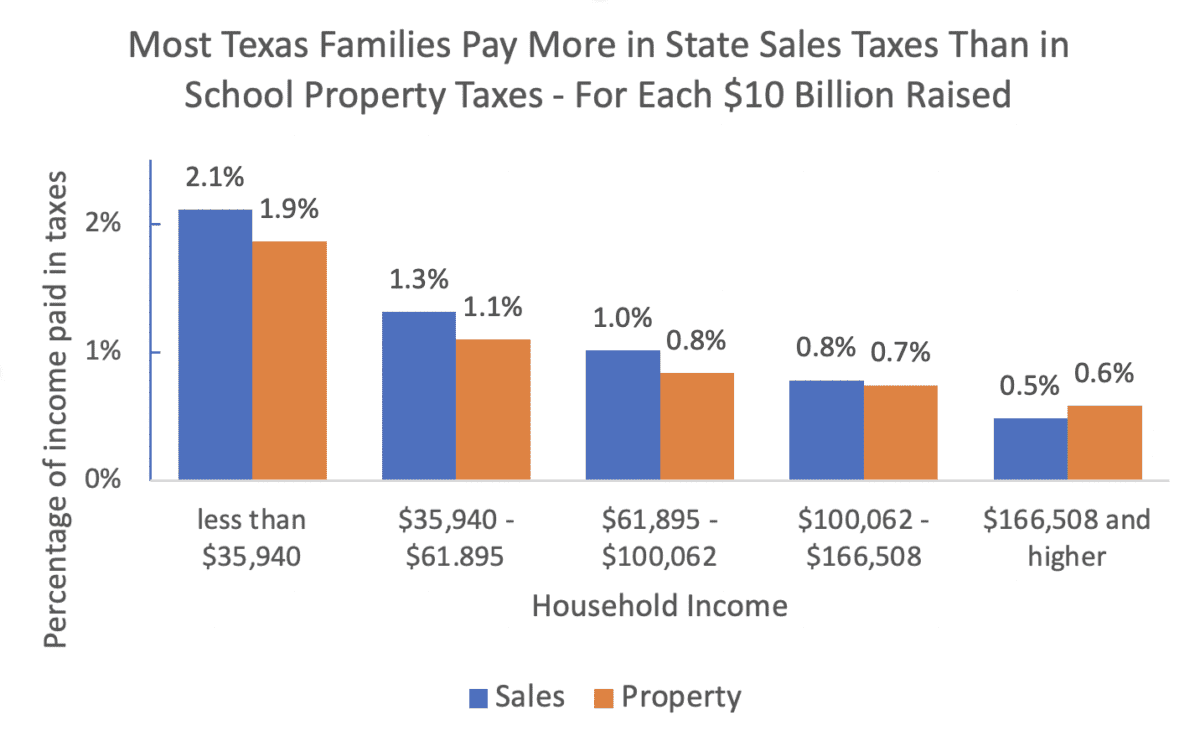
So, what's the tax rate in Texas? There isn't a single, simple number like an income tax percentage. Instead, it’s a mosaic of different contributions, each playing a vital role.
You pay a sales tax on most things you buy, a property tax if you own land, and those contribute to the unique fabric of life here. The big takeaway is the absence of a state income tax.
This system has its champions and its critics, of course, like any approach. But it’s fundamentally a different way of doing things, often appealing to those who prefer to keep more of their earned income.
It’s a trade-off, really. Lower income tax often means higher property taxes, especially in booming areas with great schools. It's Texas's unique way of funding its growth and vibrant communities.
Ultimately, paying taxes in Texas is part of the experience, just like the vast landscapes and friendly faces. It’s how the state keeps those roads smooth for your pickup, the schools top-notch for future Texans, and the state parks beautiful for weekend adventures.
It’s a system that, for all its specific rules, aims to support that distinct Texan way of life. So, next time you're enjoying a fantastic sunset, remember how your contributions help keep the Lone Star State shining bright.