
What's The Sales Tax For Texas
You know that feeling, right? You’re browsing a local boutique, or maybe even just adding things to your cart online, heart set on that perfect new gizmo or a ridiculously comfy t-shirt. You click to checkout, or the friendly cashier rings you up, and then… bam. The total pops up, and it’s a little more than you mentally calculated. Your brain does a quick double-take, probably muttering, "Wait, did I add something extra?" Then it hits you: sales tax. It’s that familiar, sometimes unwelcome, guest at the financial party, and it always makes an appearance here in the Lone Star State.
I remember my first week moving to Texas, grabbing a new pair of cowboy boots (because, when in Rome, or in this case, Texas!). The price tag said one thing, but the receipt had that extra line, pushing the total a bit higher. My immediate thought was, "Okay, what's the deal with Texas sales tax, anyway?" And if you’ve ever found yourself wondering the same thing, or just want to brush up on the specifics, you’re in the right place. Let’s unravel this Texas-sized mystery, shall we?
The Base Rate: Where It All Begins
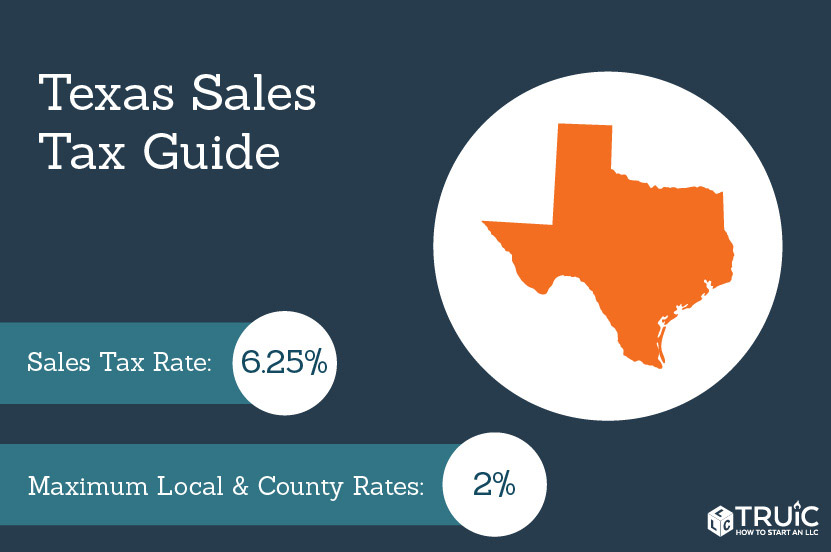
So, let's cut to the chase. The statewide sales tax rate here in Texas is a solid 6.25%. This is the bedrock, the starting point, the minimum you'll pay on taxable goods and services no matter where you are in the state. Pretty straightforward, right? It’s what our state government uses to fund all sorts of things, from schools to roads. So, next time you see that 6.25%, just know you're contributing to the greater good of Texas (and probably getting a cool item in return!).
Must Read
But Wait, There's More! Local Add-ons
Now, here's where it gets a little more interesting. While 6.25% is the state rate, that's often not the final number you see on your receipt. Why? Because cities, counties, and various special purpose districts (SPDs) have the power to add their own local sales taxes on top of the state rate. Think of it like a layered cake – the state takes its slice, and then local entities get to add a bit more on top.
These local jurisdictions can add up to an additional 2%. That means if you're in an area that tacks on the maximum local tax, your total sales tax rate could climb as high as a whopping 8.25%! Yep, you heard that right. That’s a pretty significant difference, don't you think?
.1744351186849.png)
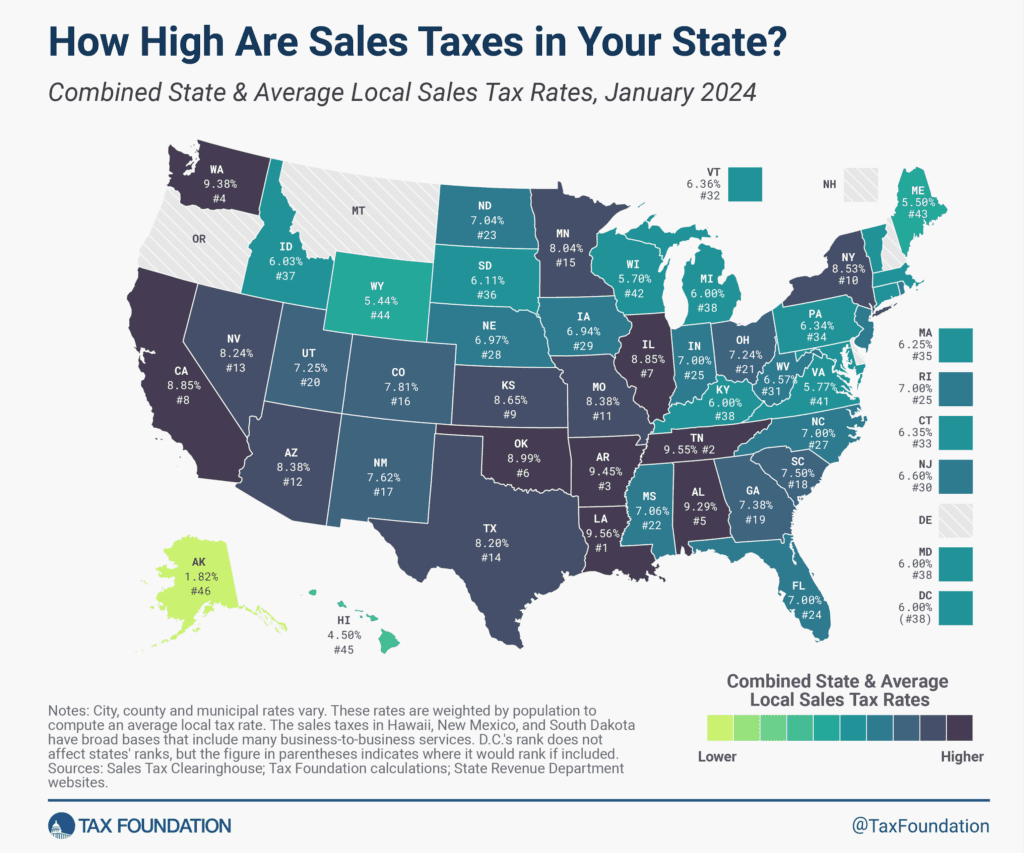
This is why you might pay 8.25% in big cities like Houston, Dallas, San Antonio, or Austin, but a slightly lower rate in a smaller town or rural area that doesn't have as many local taxes layered on. It really depends on where you're standing (or clicking, if you're shopping online from that location).
What Gets Taxed (and What Doesn't!)
Generally speaking, most tangible personal property (that's fancy talk for physical stuff you can touch and move) is subject to sales tax. We're talking about things like:
- Clothing
- Electronics (hello, new phone!)
- Furniture
- Restaurant meals (sorry, no escape here!)
- Books, toys, sporting goods... you get the picture.
Many services are also taxed, but it can get a bit more complex there, with specific rules for specific types of services. For the most part, if you're buying something physical, assume sales tax will apply.

But here's the good news, folks! Not everything is taxed. In fact, some of the most essential items are exempt, which is a big relief for our wallets. The biggest one you'll probably appreciate is groceries. That's right, your milk, bread, produce, and most other food items you buy at the grocery store to eat at home are sales tax-free. Hallelujah!
Other notable exemptions include:
- Prescription drugs and most over-the-counter medications: Healthcare should be affordable, right?
- Feminine hygiene products: A relatively recent and very welcome change!
- Residential utilities: Your electricity and gas bills for your home generally aren't taxed.
So, while that new gadget might have an extra ding from sales tax, at least your weekly grocery haul won't. Every little bit helps, especially when you're trying to stick to a budget.
Why Does All This Matter?
Understanding Texas sales tax isn't just about satisfying your curiosity; it's about being a smarter consumer. Knowing the base rate and the potential for local add-ons helps you:
- Budget more accurately: No more checkout surprises!
- Compare prices: Sometimes, knowing the sales tax difference between two cities might even influence where you make a big purchase. (Okay, maybe a stretch, but you get the idea!)
- Understand your receipts: You'll know exactly what that "tax" line means.
So, the next time you're making a purchase, whether it's online or at your favorite local spot, take a peek at that sales tax line. You'll now understand that it's probably the state's 6.25% plus whatever local flavor your city or county decided to add, maxing out at 8.25%. It’s a little piece of Texas finance trivia you can now carry with you!
