
What's The Difference Between Polyester And Nylon

Hey there, fashion enthusiast and fabric fanatic! Ever found yourself staring blankly at a clothing label, wondering, "Polyester? Nylon? What's the actual difference?" Don't worry, you're not alone! These two synthetic superstars are all around us, but decoding their secrets can feel like learning a new language. But fear not! This guide is here to help you become a textile whisperer in no time. Think of this as unlocking a cheat code to a world of informed shopping and confident crafting! Who wouldn't want that?
Polyester: The Reliable All-Rounder
Let's start with polyester. Imagine it as the dependable, hardworking friend you can always count on. It's known for its durability. Seriously, this stuff can take a beating! Polyester is also wonderfully wrinkle-resistant (hallelujah!) and resistant to shrinking and stretching. That means your favorite clothes will keep their shape and size wash after wash. Who has time for ironing these days? Not me, and probably not you either!
Plus, polyester is hydrophobic. What a fancy word! All it means is it doesn't absorb water easily. This makes it a great choice for outdoor gear, sportswear, and anything you want to dry quickly. Think rain jackets, swimwear, and even your favorite workout clothes. See? Polyester is everywhere!
Must Read
And did I mention it's often more affordable than nylon? That's a win for your wallet! So, if you're looking for a cost-effective, durable, and low-maintenance fabric, polyester might just be your new best friend.
Nylon: The Strong and Stretchy Superstar
Now, let's talk nylon. If polyester is the reliable friend, nylon is the athletic, adventurous one. This synthetic fiber is renowned for its exceptional strength and elasticity. It can stretch and bounce back like a champion! Think of it as the superhero of fabrics.
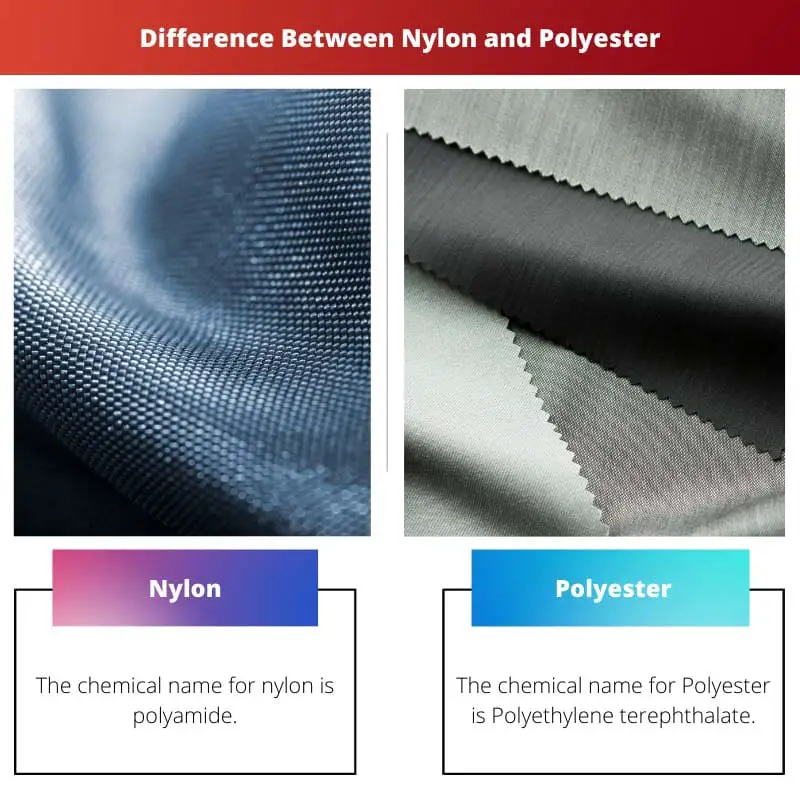
Nylon also boasts impressive durability, but it's particularly known for its resistance to abrasion. This means it can withstand a lot of wear and tear without showing signs of damage. That's why you'll often find it in things like backpacks, luggage, and even rope. Talk about tough!
Unlike polyester, nylon can absorb some moisture. However, it's still relatively quick-drying. The slight absorption actually makes it a popular choice for hosiery and other close-fitting garments because it can help wick away sweat (sorry for the visual!). Plus, nylon generally has a smoother and silkier feel than polyester. Ooh la la!

However, with all this strength and silkiness, nylon tends to be a little more expensive than polyester. But for certain applications, its unique properties make it worth the extra investment.
Polyester vs. Nylon: The Quick Cheat Sheet
Okay, let's break it down super simply:

- Durability: Both are durable, but nylon is more abrasion-resistant.
- Strength: Nylon is generally stronger and more elastic.
- Water Absorption: Polyester is hydrophobic (repels water), nylon absorbs a little moisture.
- Feel: Nylon is typically smoother and silkier.
- Cost: Polyester is usually more affordable.
Easy peasy, right?
Why Does This Matter?
Knowing the difference between polyester and nylon empowers you to make informed choices. Whether you're buying clothes, gear, or crafting supplies, understanding the properties of each fabric can help you select the best option for your needs. Imagine finally buying a raincoat that actually keeps you dry, or a backpack that actually lasts! No more buyer's remorse!
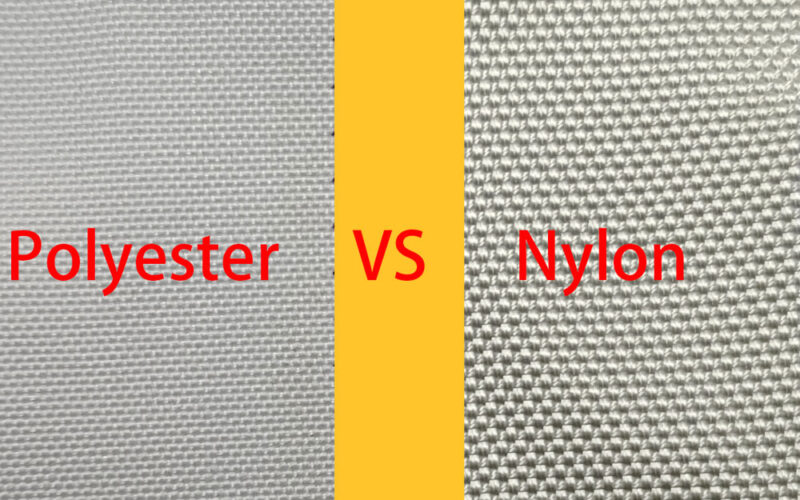
Plus, it opens up a whole new world of creative possibilities. Knowing how each fabric behaves can inspire you to experiment with new projects and techniques. Maybe you'll finally try that DIY hiking backpack you've been dreaming about, or sew your own fabulous (and functional!) workout gear.
Ultimately, understanding fabrics is about more than just knowing the difference between polyester and nylon. It's about understanding the world around you, making conscious consumer choices, and unleashing your inner creativity!
So, go forth and explore the fascinating world of textiles! Don't be afraid to ask questions, experiment with different materials, and embrace the joy of learning. The more you know, the more confident and creative you'll become. Who knows? Maybe you'll be the next great fashion designer or textile innovator! The possibilities are endless. Now, isn't that inspiring?